Of Damsels and Dragons – Nature notes for July

At last some sun.. even though we had to get almost three-quarters the way through July to get it!  I’m going to start by letting you all know what the answer was to the picture quiz in last month’s Nature Notes. Here is the same spray now …. 

The answer was Kiwi Fruit !! And I shall be sending ecopies of Some Kind of Synchrony to all three who guessed correctly! The fruit still have got quite a way to grow but you can see what they are already.

And if you are here looking for the results of my Win a Kindle draw (drawn 10th July) click Here
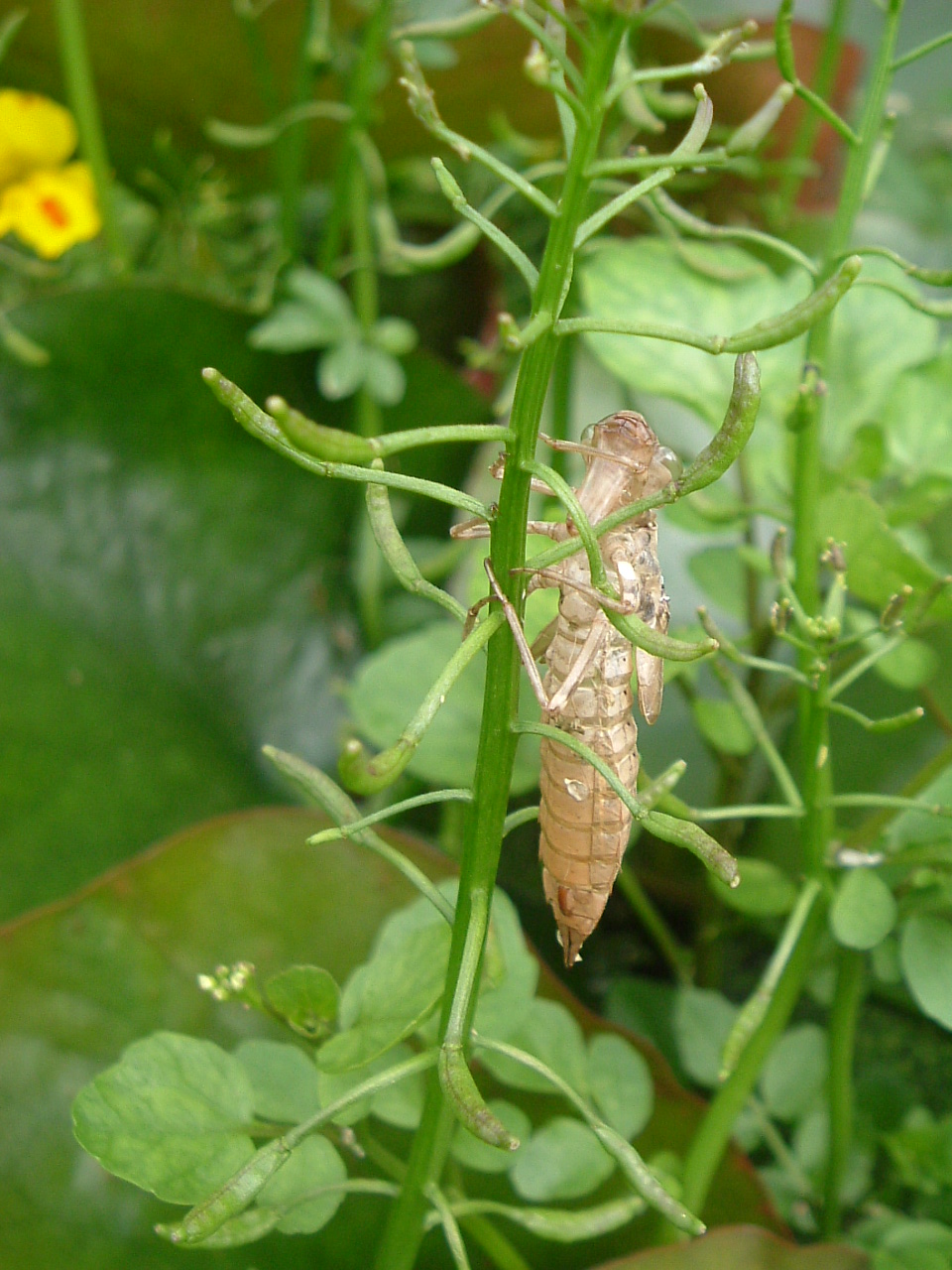
While back in the pond things have been stirring and the dragonfly larvae have been crawling out of the pond to breakout of their last larval skin and turn into dragonflies. I spotted this ‘case’ still clinging to the pond plant it climbed out on.  The dragon fly larvae have been described as the ‘tiger of the pond’ as they are fierce predators taking down tadpoles and small fish. Some years there have been huge numbers in our pond but in recent years they have been few and far between. Perhaps this year is the start of another rise in population. Watch out tadpoles! 

Meanwhile the more delicate cousins of the dragonflies, the damselflies, were making sure there would be other types of larvae in the pond too – here two of the common Large Red damsel fly, mating. You’ll really have to click on the picture to see them clearly in their attractive red livery.

You just have to see this! One morning I was called out to the patio with  ‘Come and look in the dog’s bowl!’   The dog has a plastic water bowl out on the patio – to try to persuade her not the drink the water from the dishes under the patio pots (doesn’t work – she still prefers this water to clean fresh stuff) and, there, sitting in her half-full water bowl was …… a newt!

I guess he thought he’d found a nice personal little pond of his own. Now this is a good twenty metres from the main pond, needless to say he was transported to the pond in the bowl and released, before the dog came looking for a drink!
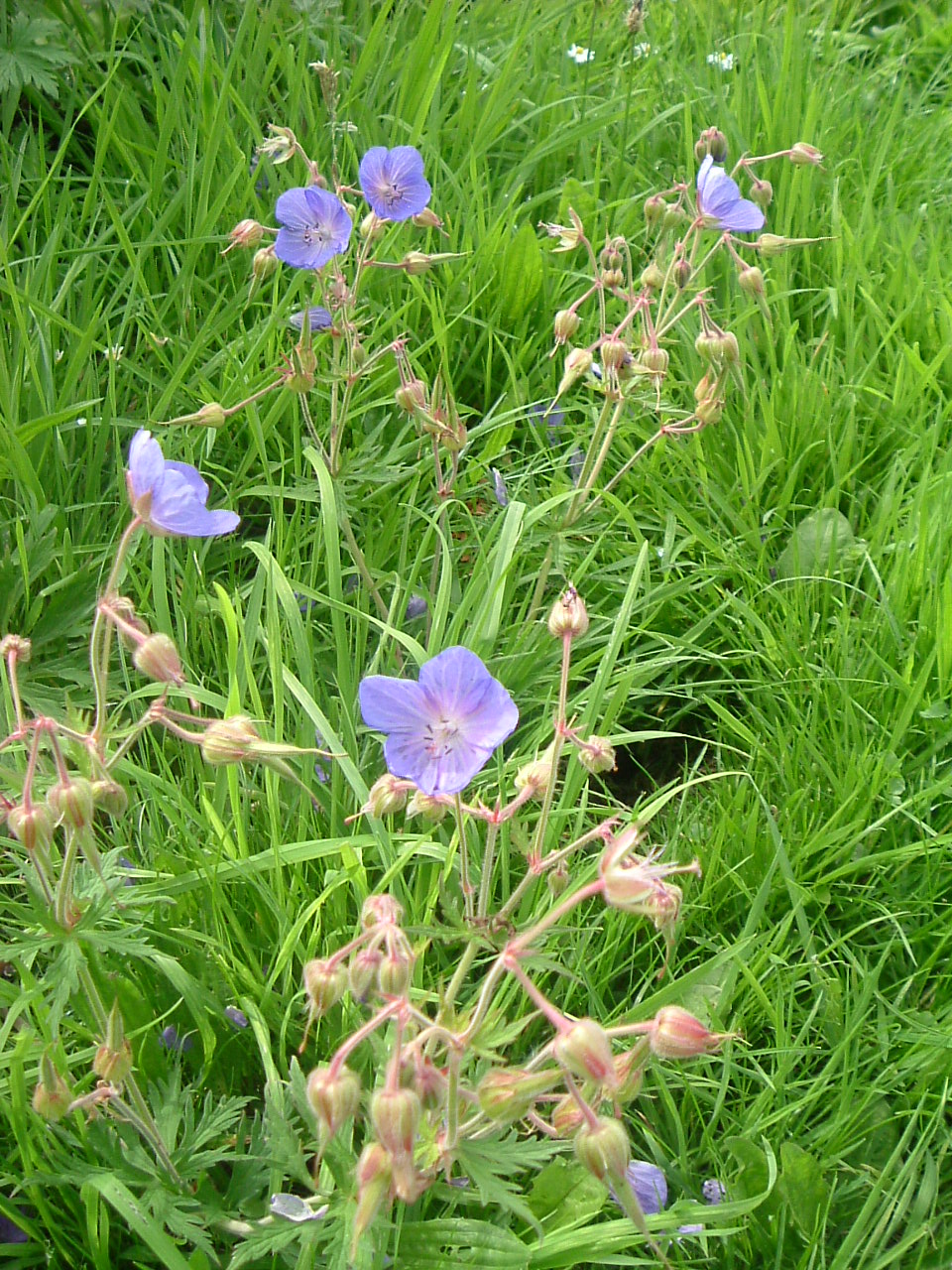
In the flora in July we’ve moved into some delicate purples, the meadow Cranesbill ( in the geranium family)   and the Self-heal ( Prunella vulgaris). The latter small plant so called because it is used in herbal medicine as a poultice for wounds and abrasions and as an infusion for sore throats and more. This year it has grown in profusion looking quite pretty amongst the grass.

This week’s picture quiz is this ‘common’ beastie which I didn’t recognise who, along with his brothers and sisters, was destroying one of the perennial plants in our front border. Do you know what it is? First correct answer will win an ecopy of Nothing Ever Happens Here (as a pdf)


And for my FWT? cheerleaders – weight is now 9st. 11.5 lbs – yes – that’s down a whole pound this week! Full details on the drop-down for week 30

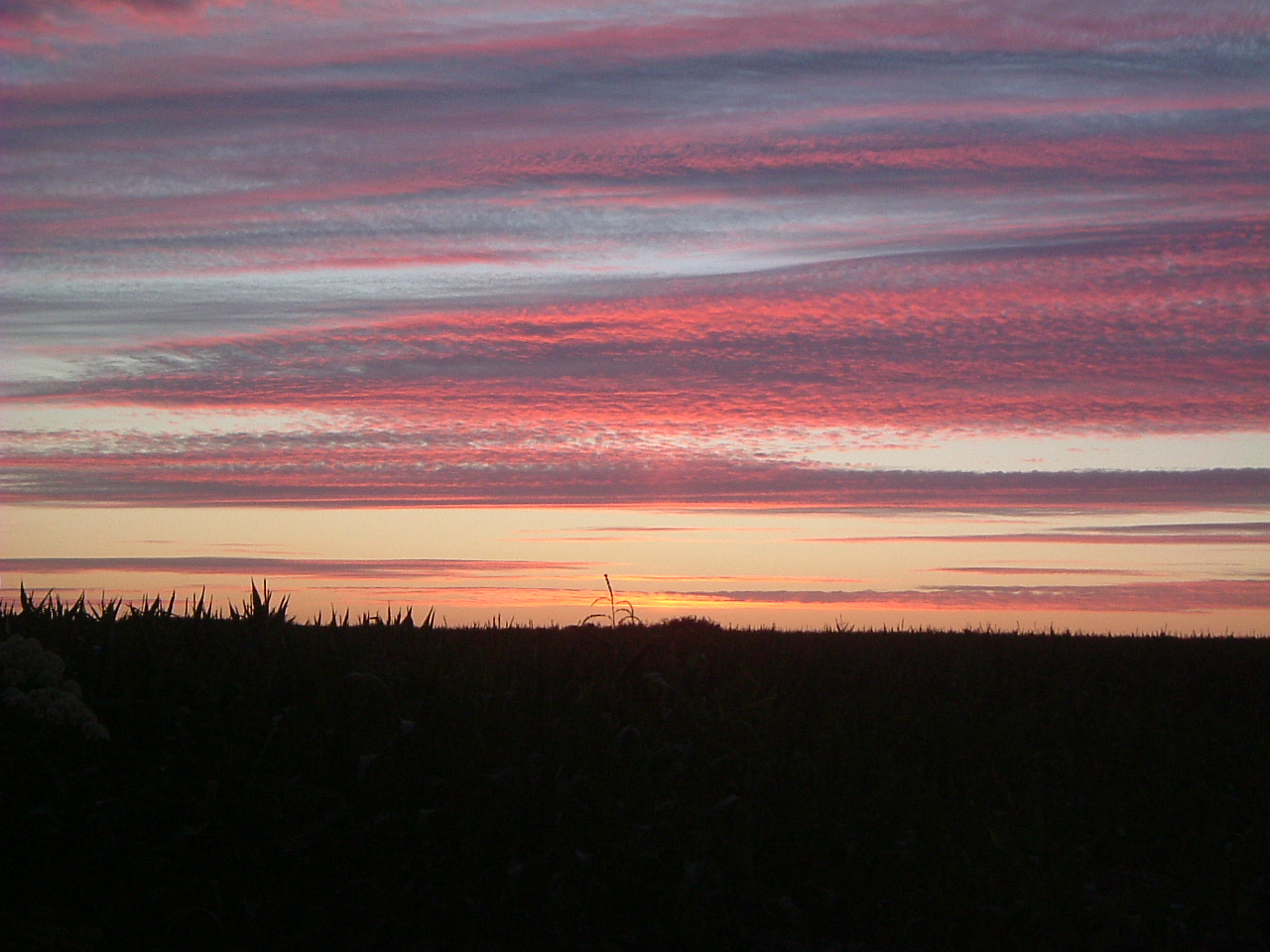
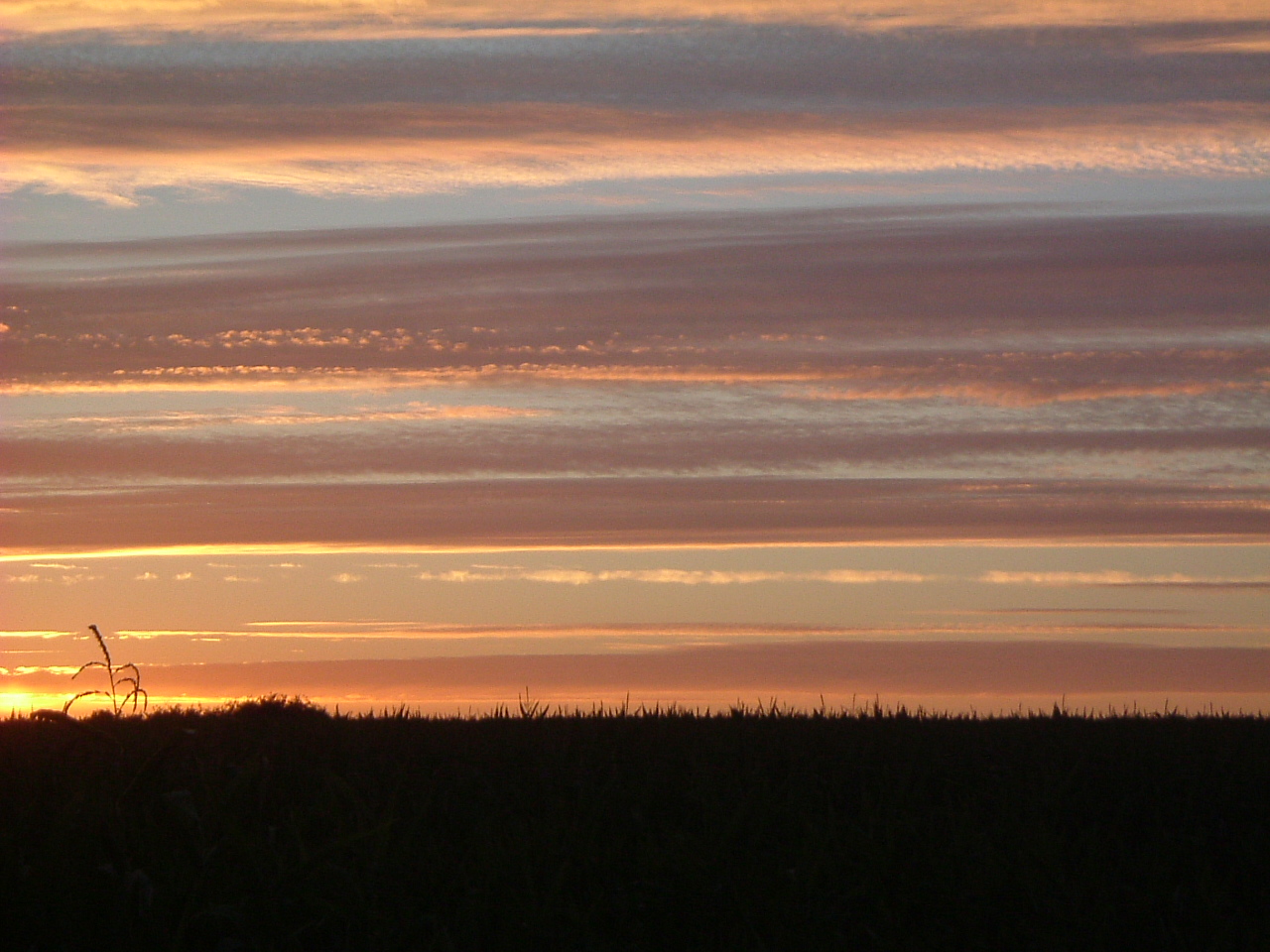
Lastly – a series of sunsets from one evening in July – not sure I’ve seen such a stripey sky before. How about you? do you just love sunsets – have to get the camera out to capture them?  I love to hear from you !


Fair maids of February to Leaping lambs

February Nature Notes – a round up of what has been happening nature wise in this little corner of Cornwall.

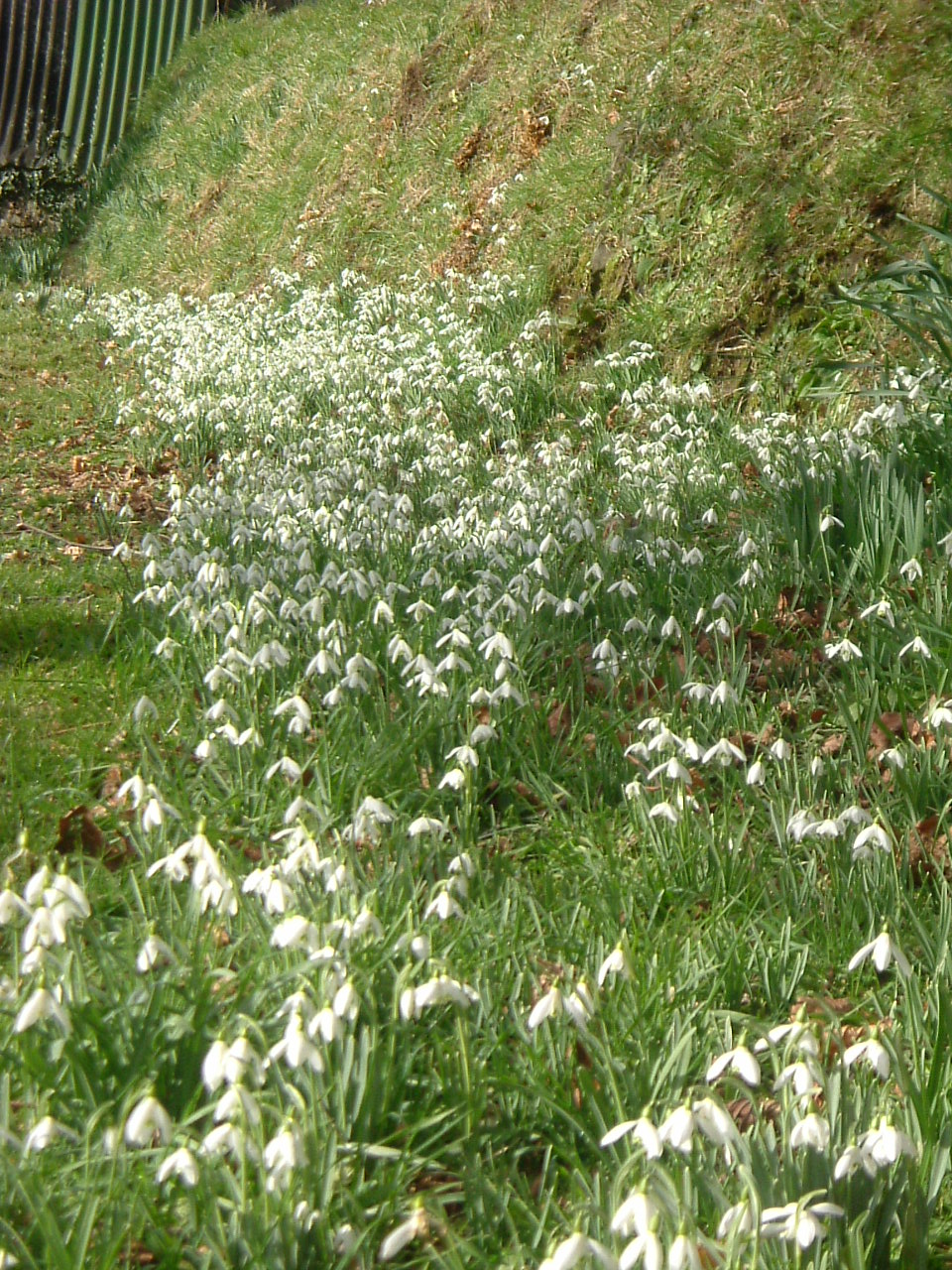
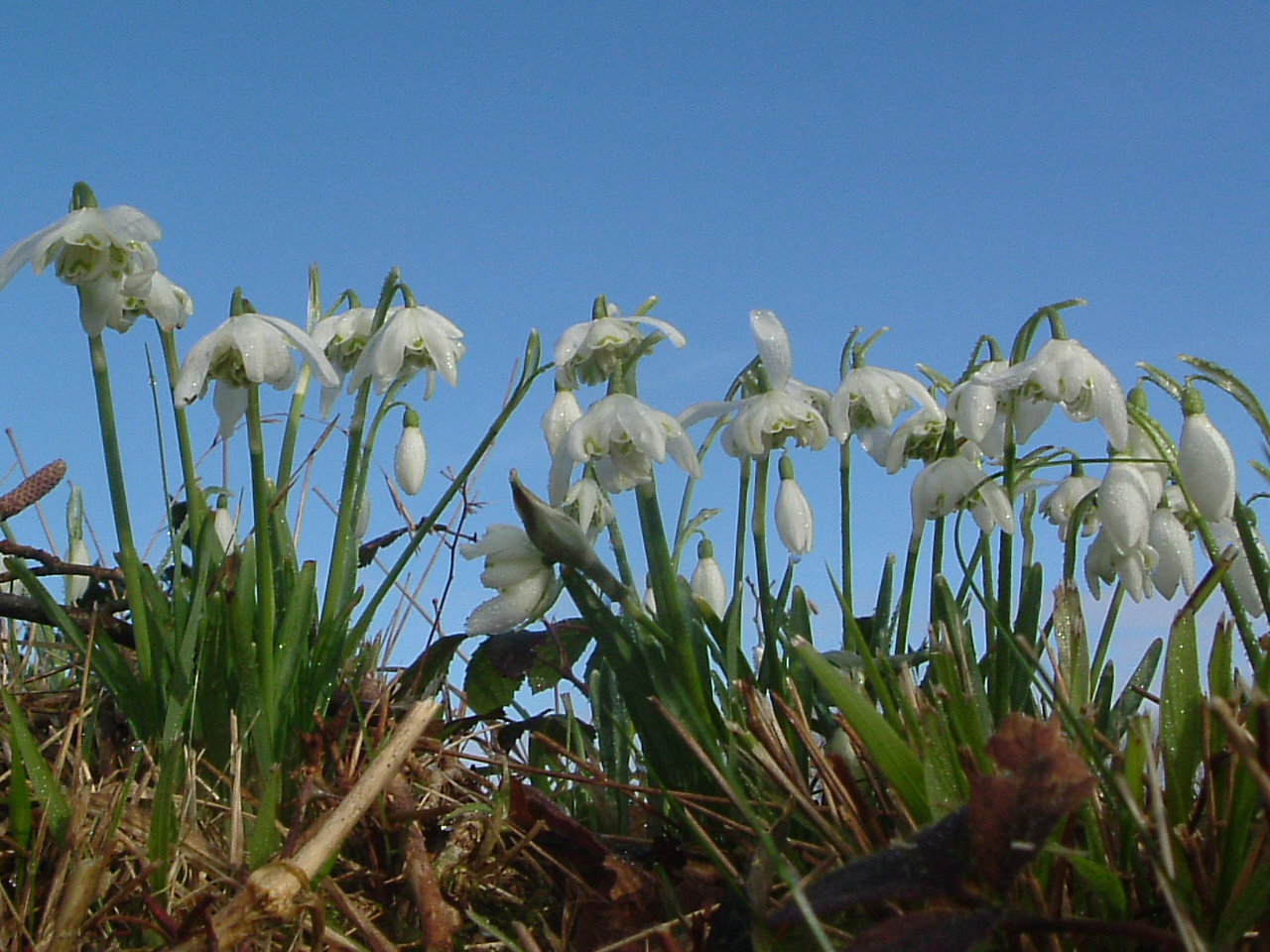
February started with a drift of snowdrops here as the snowdrops along the base of the Cornish hedge all decided to bloom at once, an effect heightened by the top of the hedge also being trimmed with these lovely harbingers of spring, also known as the Fair Maids of February, both singles and doubles.


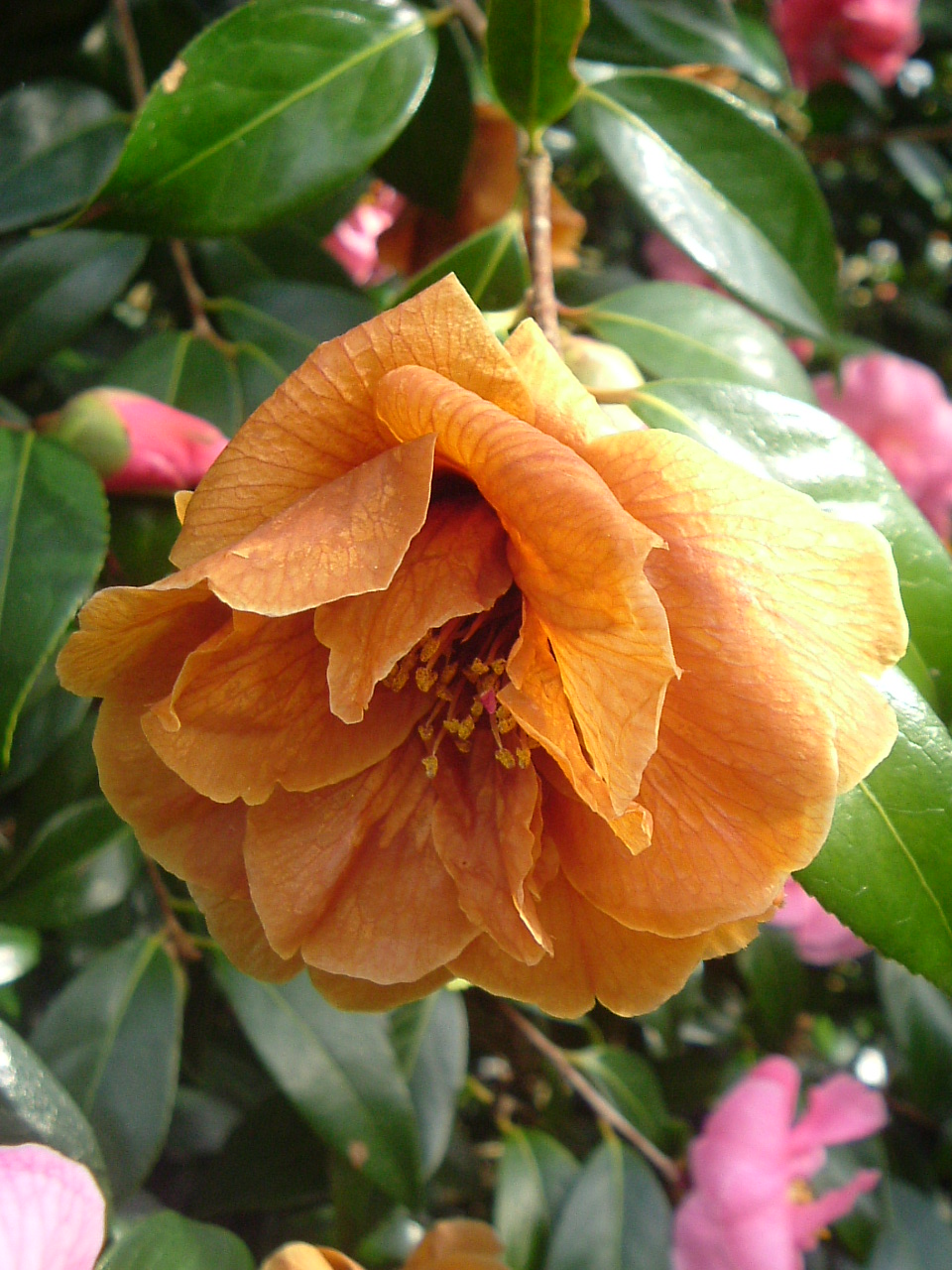
Then came a set of really frosty days. We hadn’t had much this year and the Camellias were in full bloom, but, call me strange if you like, the resultant ‘coppery brown’ blooms had a beauty all of their own. It wasn’t long before new buds opened and the mixture of  frosted blooms and fresh ones was quite interesting.


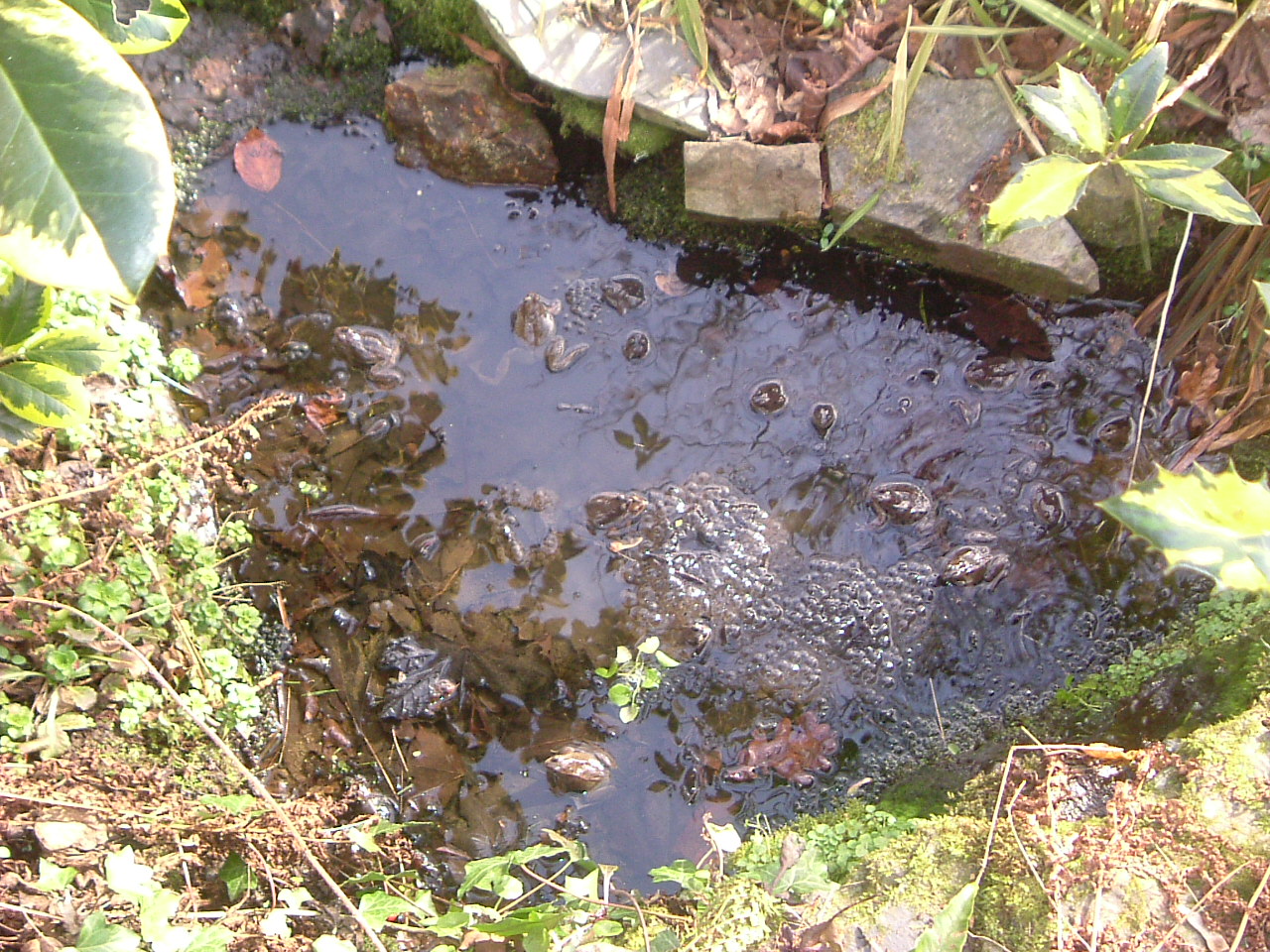
Now if you remember, the frogs were beginning to call and mate leaving the odd clump of frog-spawn in the small shallow water-features in the new-wood part of the garden. By the second week in February you could hear the noise from the frogs in the main pond at 50 metres and the water features were heaving with frogs (I counted 14 in a small pool no more than half a metre square)

small pool


So click on this picture I took later to have a close look at that pool – how many frogs can you see?

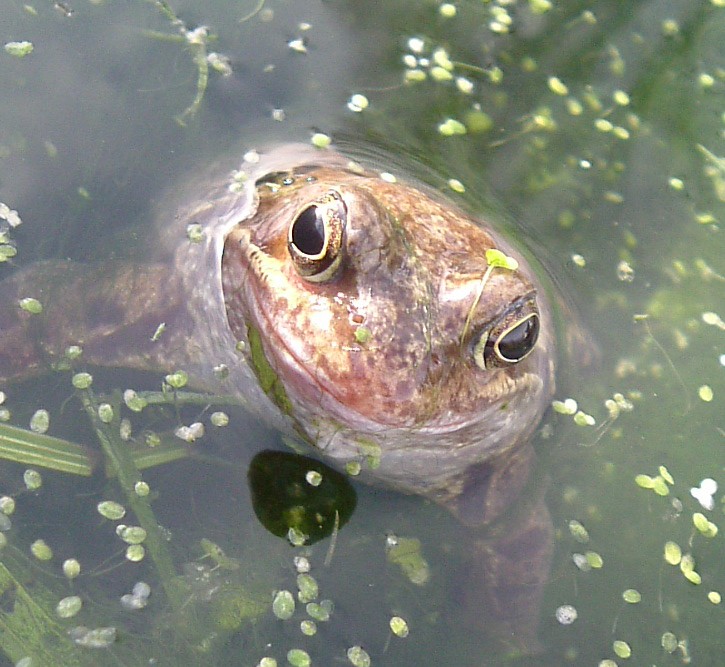
Here’s a nice fellow who held still long enough for me to photograph him. And his friend : below.


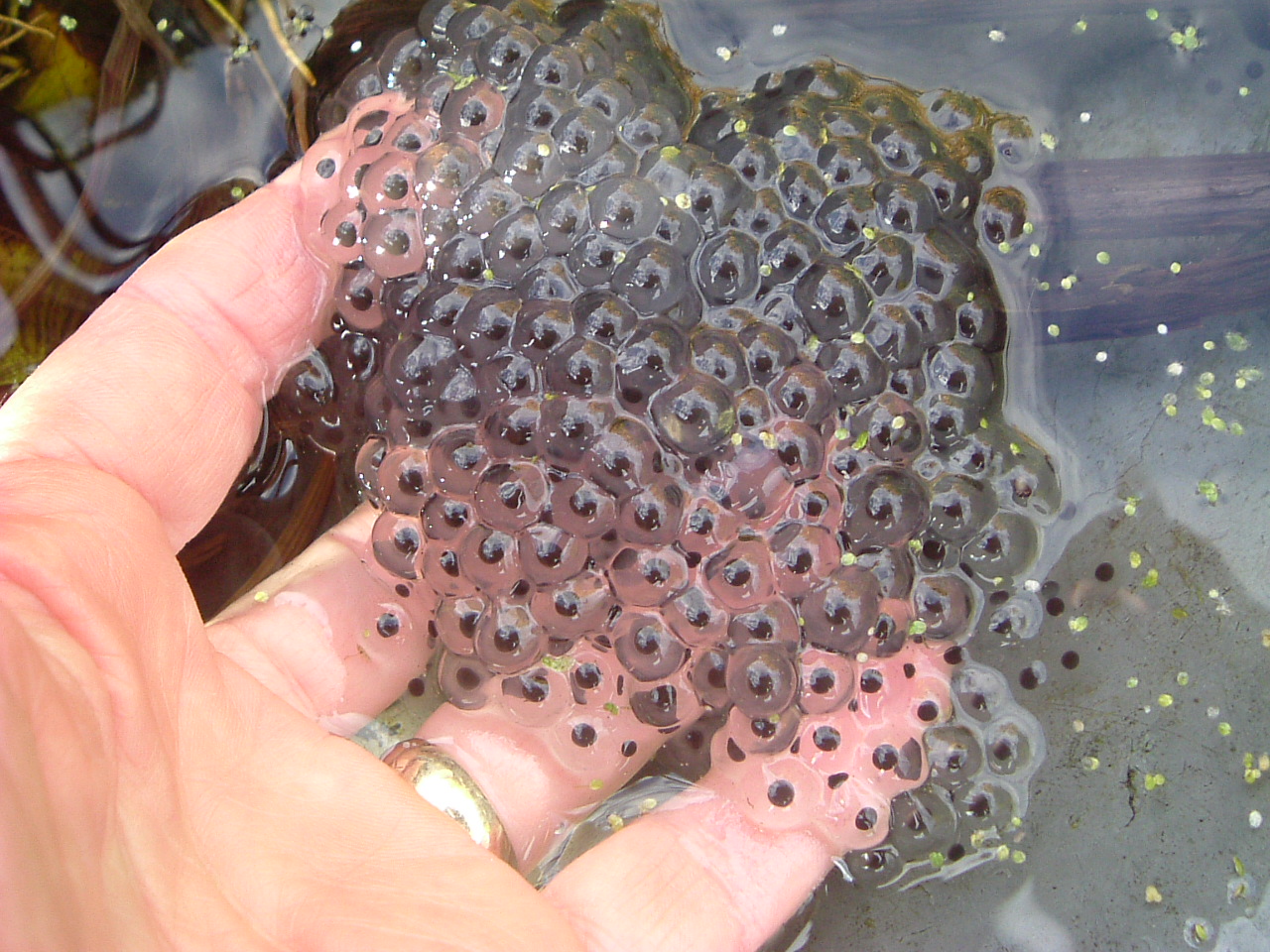
The photo shows fresh frog spawn, in tight, high clumps, the centres a small black dot. The same frost that caught the camellia also caught the early frog spawn leaving it milky with dead white centres.


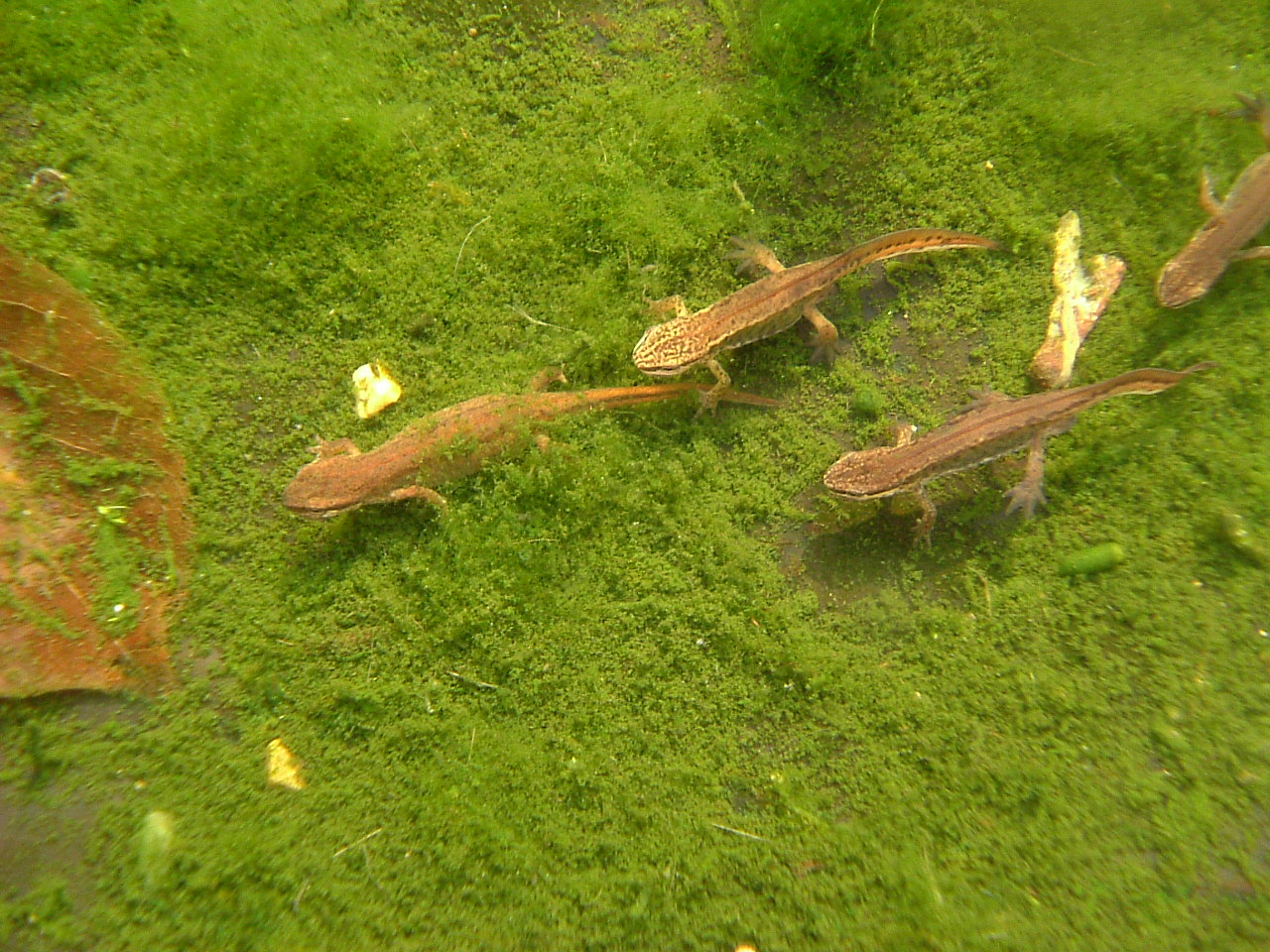
And while we are still at the pond and in the water (as it were) by the end of Feb. the newts were out and about – following each other around the bottom of the pool and getting frisky. By accident I found out how to get a good photo of these underwater (without the refraction shadow) you dip your lens in the water as you take the picture (I’m sure it’s not recommended)

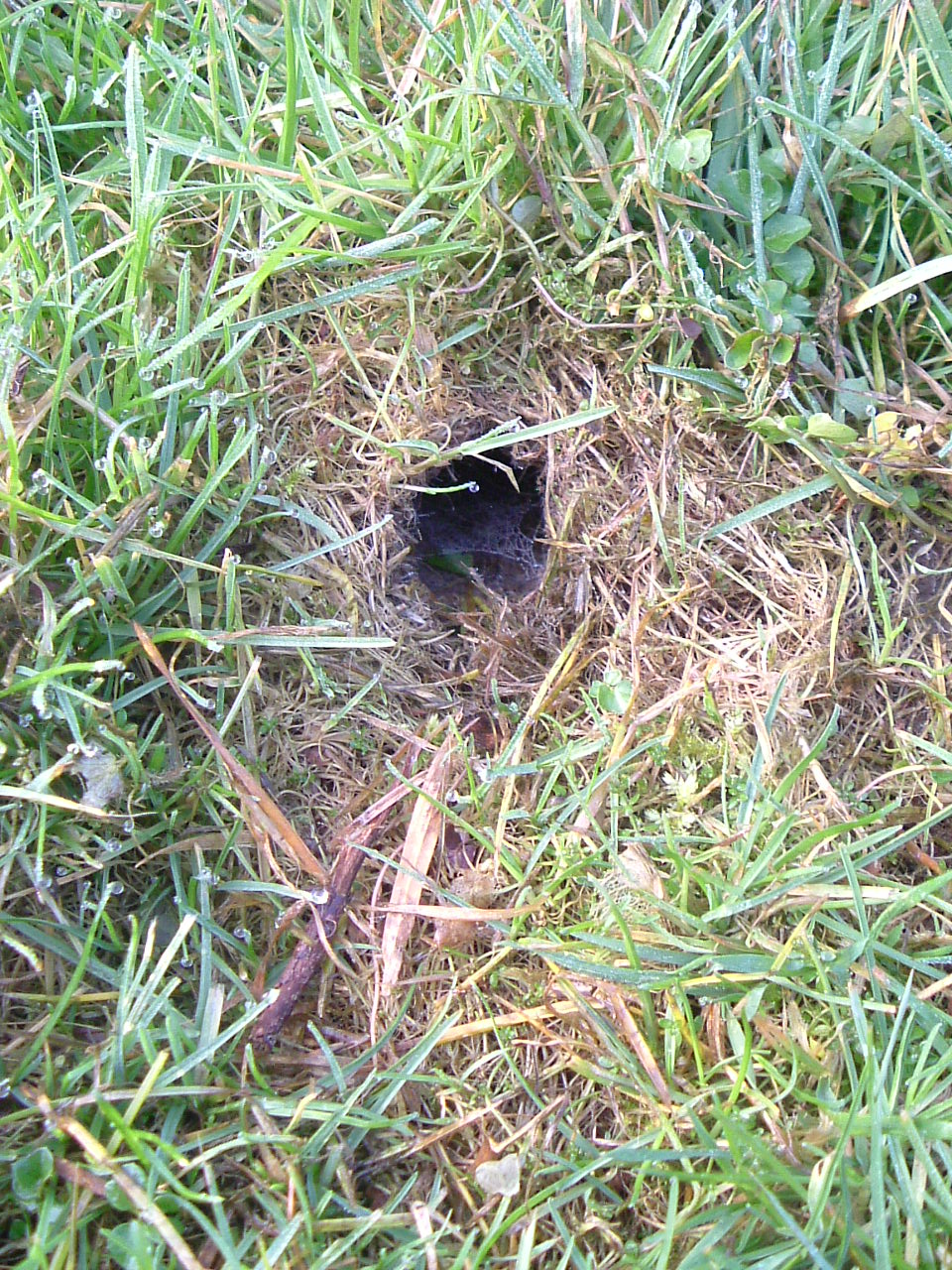
Leaving the pond I have to report on the Moles and the Voles. The moles have been creating havoc with the pasture in the field – and are a proper nuisance – I’m sure I don’t have to post a picture of masses of molehills for you to understand. The voles, however, I am delighted to see – though see is perhaps the wrong word as they are mainly out and about at dawn and dusk. For the past three years there has not been much evidence of these small vegetation-eating mouse-like creatures with short tails. I am talking about the field vole – Microtus agrestis. ‘agrestis’ as they are aggressive little creatures – as I recall from my college days when we spent time catching them in Longworth traps (a harmless ‘trap’ that keeps them in a hay-lined box until morning when you tip them out to weigh and measure them for ecology study)  Now, I am not so pleased about their ‘runs’ (tunnels just beneath the grass that make the ground ‘squashy’) but I am pleased to see them return as along with them come an increase in the owls, as they are a substanial part of an owl’s diet. Strangely enough the population of field voles are recorded as having a four-year cycle – building up to to a peak then dropping back down again, so this may be just what has happened here.  So, apart from the ‘squashy’ feel to the grass in the orchard and around, how do I know they are there if I don’t see them?  Well there are plenty of their little entrances to be seen, a hole with a neat nibbled area just in front of it, as if they’ve sat safe in the hole entrance and nibbled around for a bit!

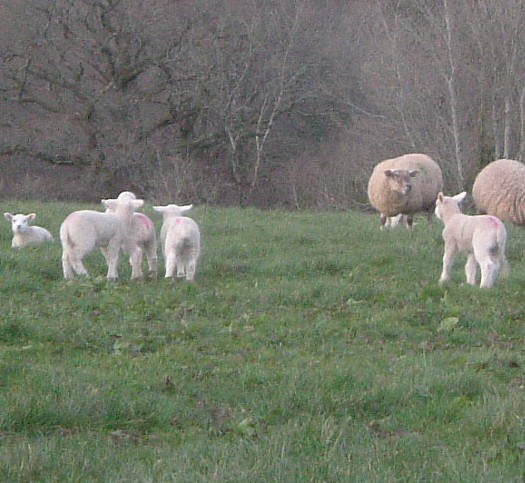
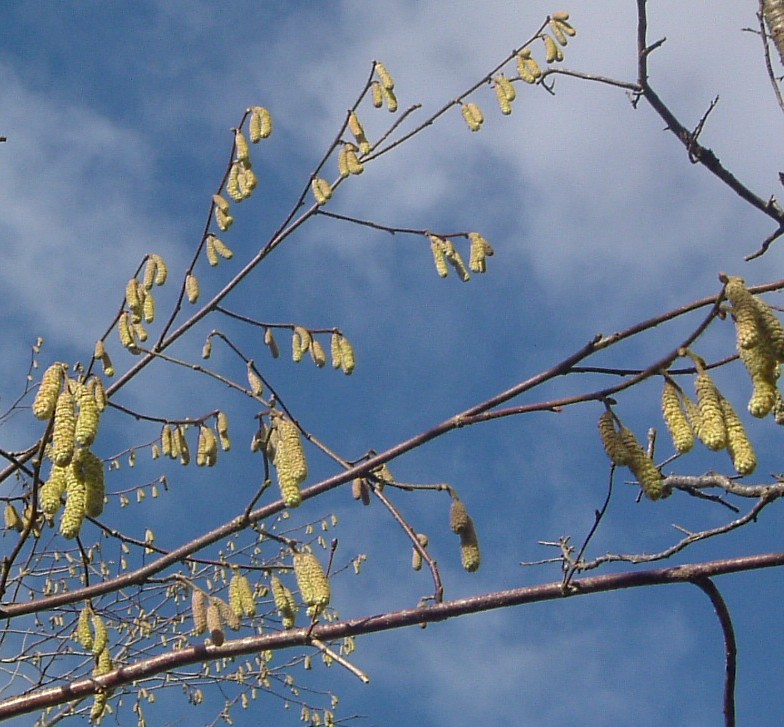
Lastly for February I’m venturing up the road for a picture of the lambs in the field nearby (yes,  know they aren’t leaping .. but the year is with the 29th) –  and the lambs-tails on the hazel tree.


As you may have guessed I love the Cornish countryside and it often features in my novels – especially Divining the Line and Nothing Ever Happens Here – both of which are mainly set in Cornwall.

What is it you love about the countryside round you – or even the nature in your own garden? Do share your enthusiasm for nature here – I love to hear from you!


error

Enjoyed this blog? Please share :)