October Nature Notes – a study in slugs

I don’t know what the term for someone who is afraid of slugs is.. a gastrophobe, perhaps, but somehow that sounds like someone who doesn’t like eating well .. however, if you are a sufferer from this condition I suggest you approach this blog with caution.

In fact – if you do not like slugs – scroll no further down this blog. I tried to get a fluffy bunny photo – but the bunnies would not stay put long enough for me to get a good picture of them! So  I have provided an Autumnal Photo – of the changing colours in our trees to create a buffer between you and the slug pics! And if you are one of my FWT cheerleaders, I’ll tell you now this week’s result – of half a pound down! There, now if you are a slugophobe you can leave the blog in good conscience. See you next week   🙂


Ah! You are still with us! 🙂

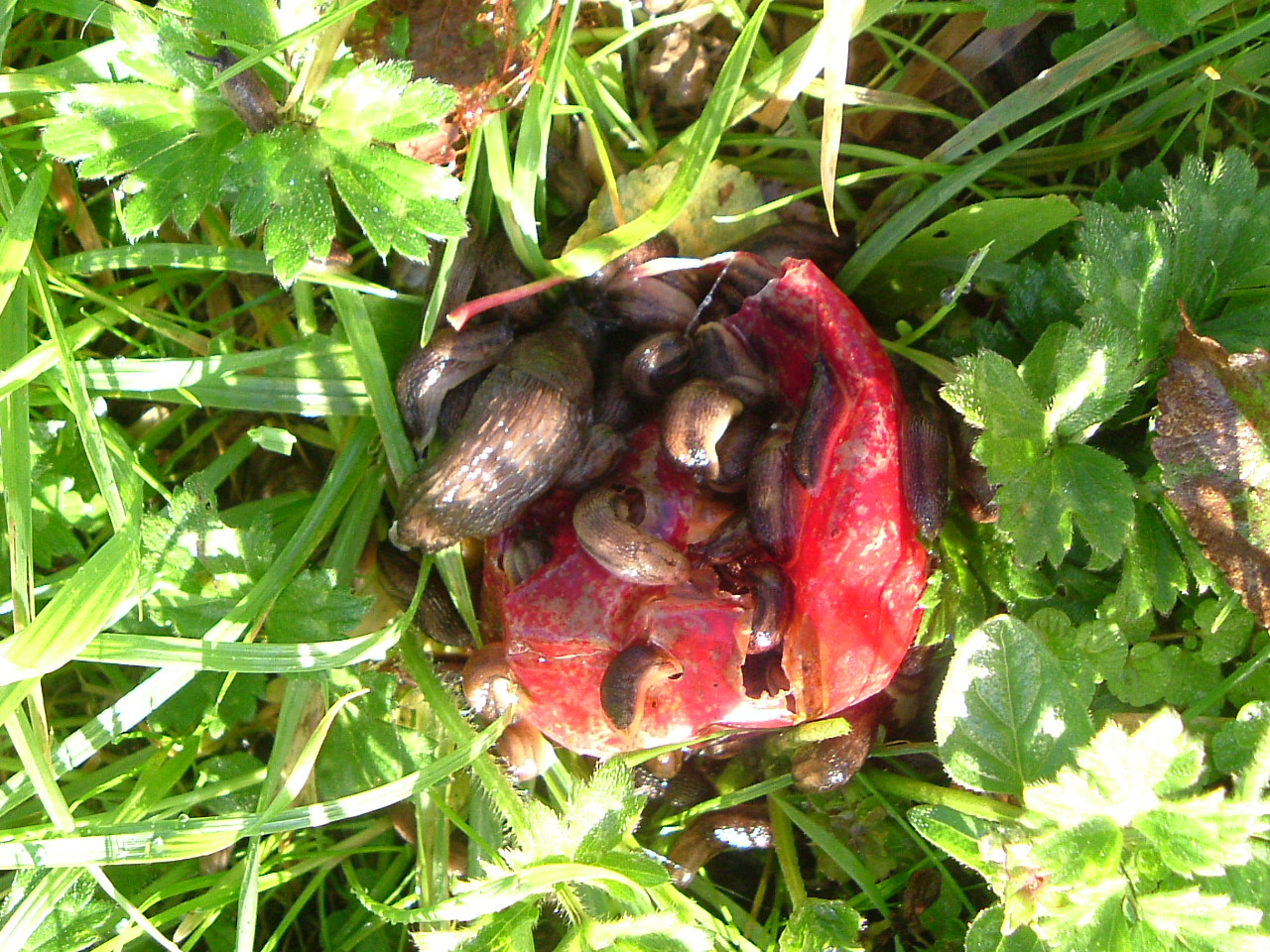
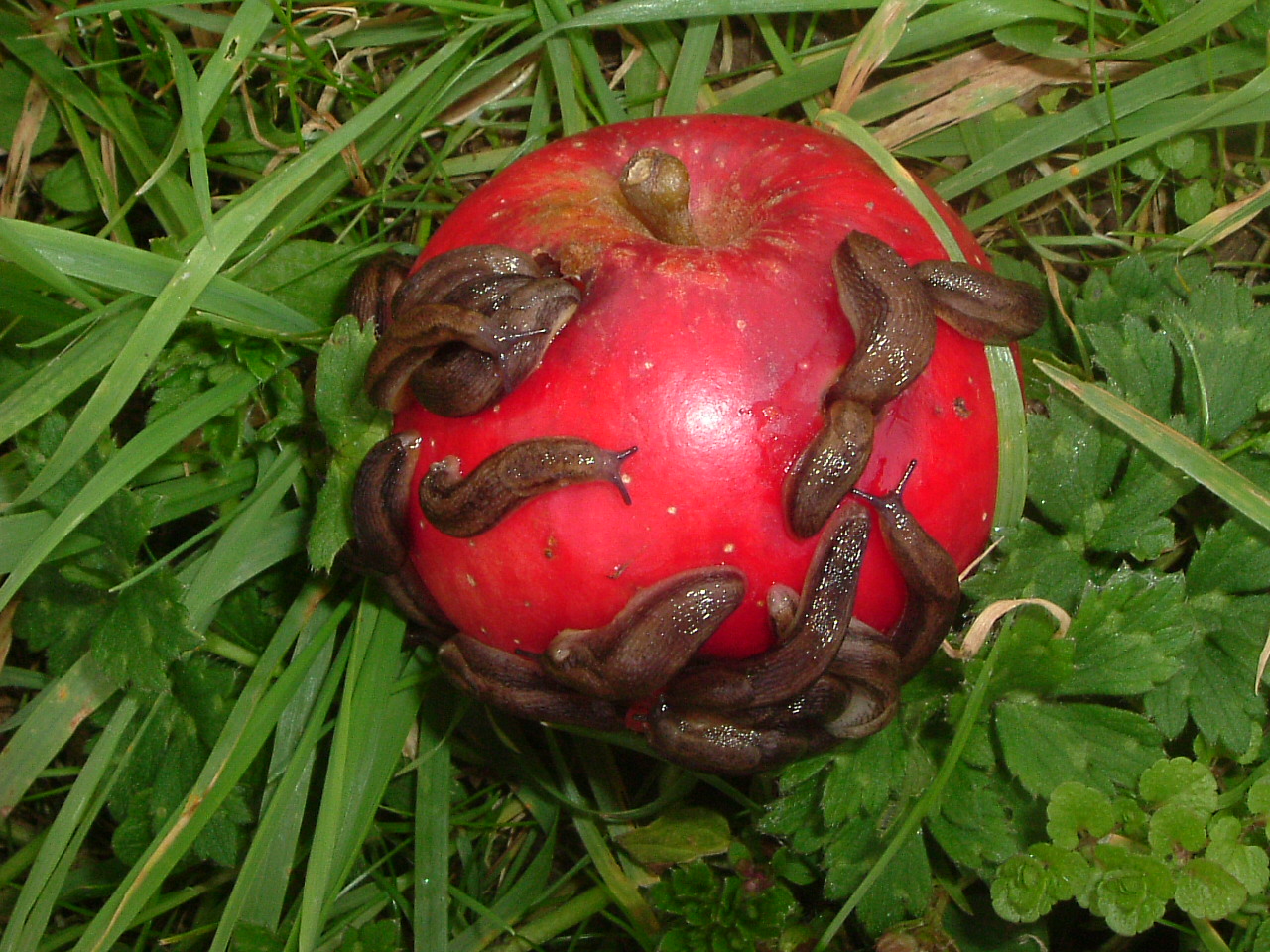
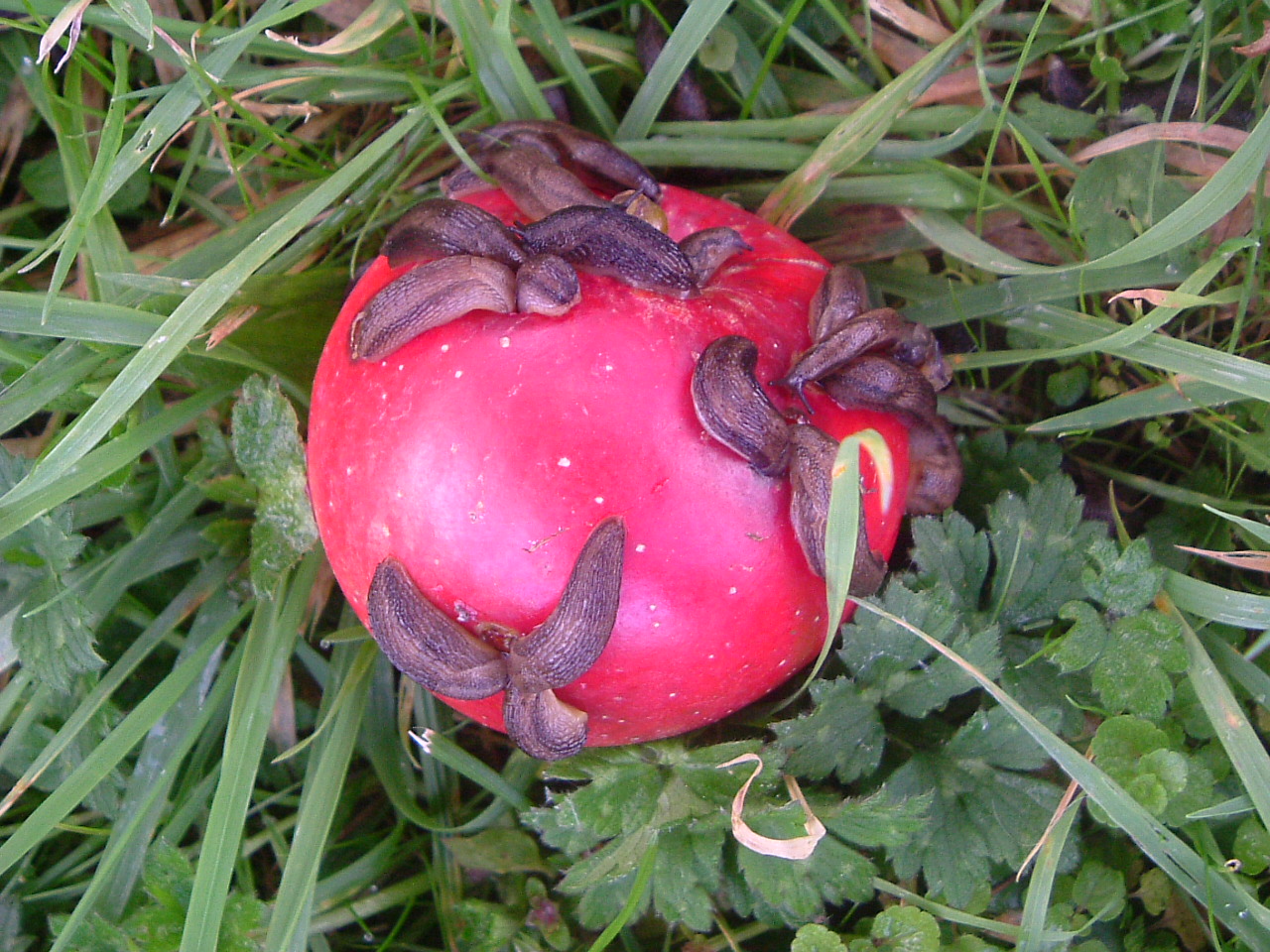
This year, what with it being so wet and all, the slugs have been having a great time and none more so than when the apples started to fall.

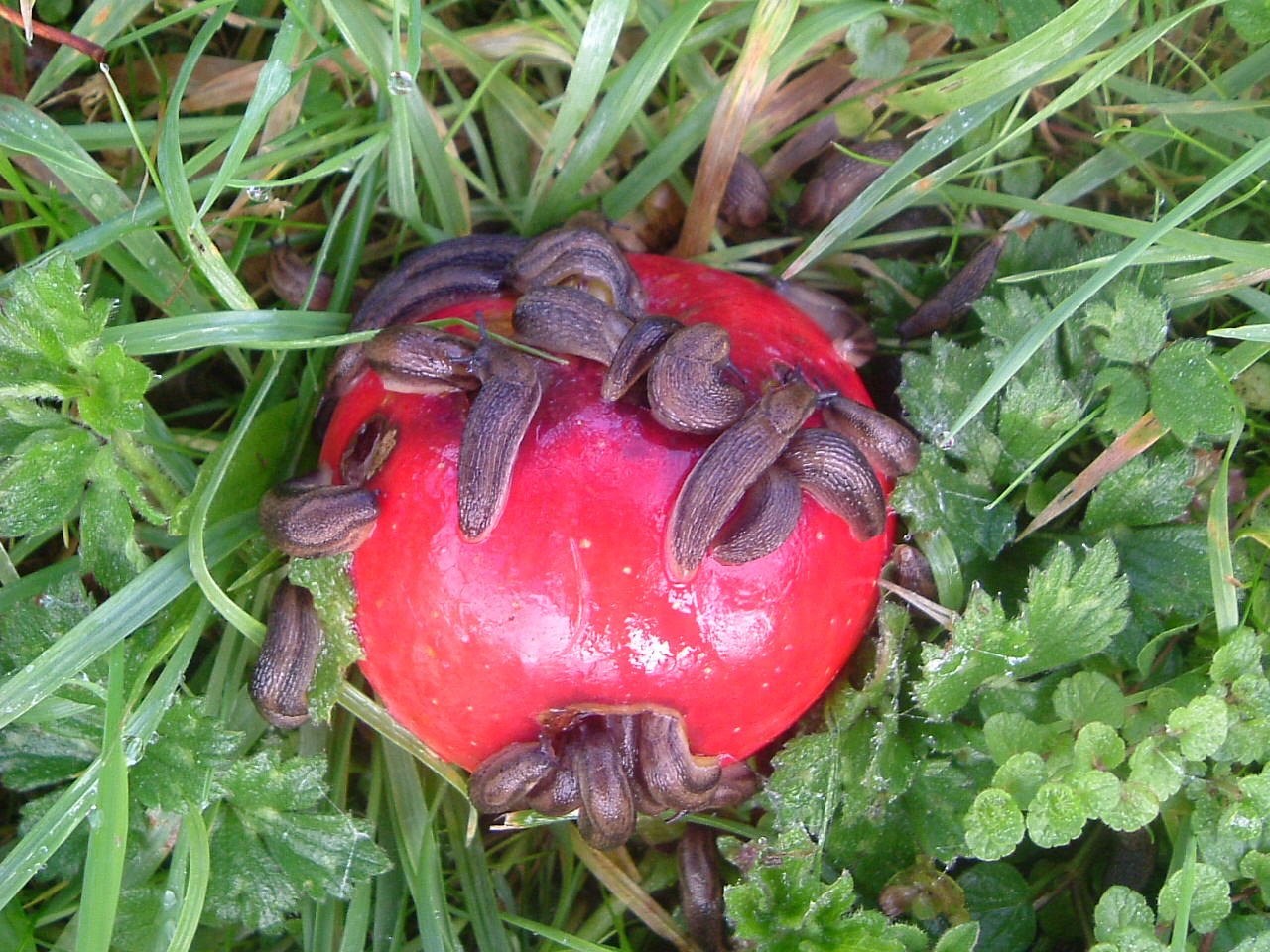
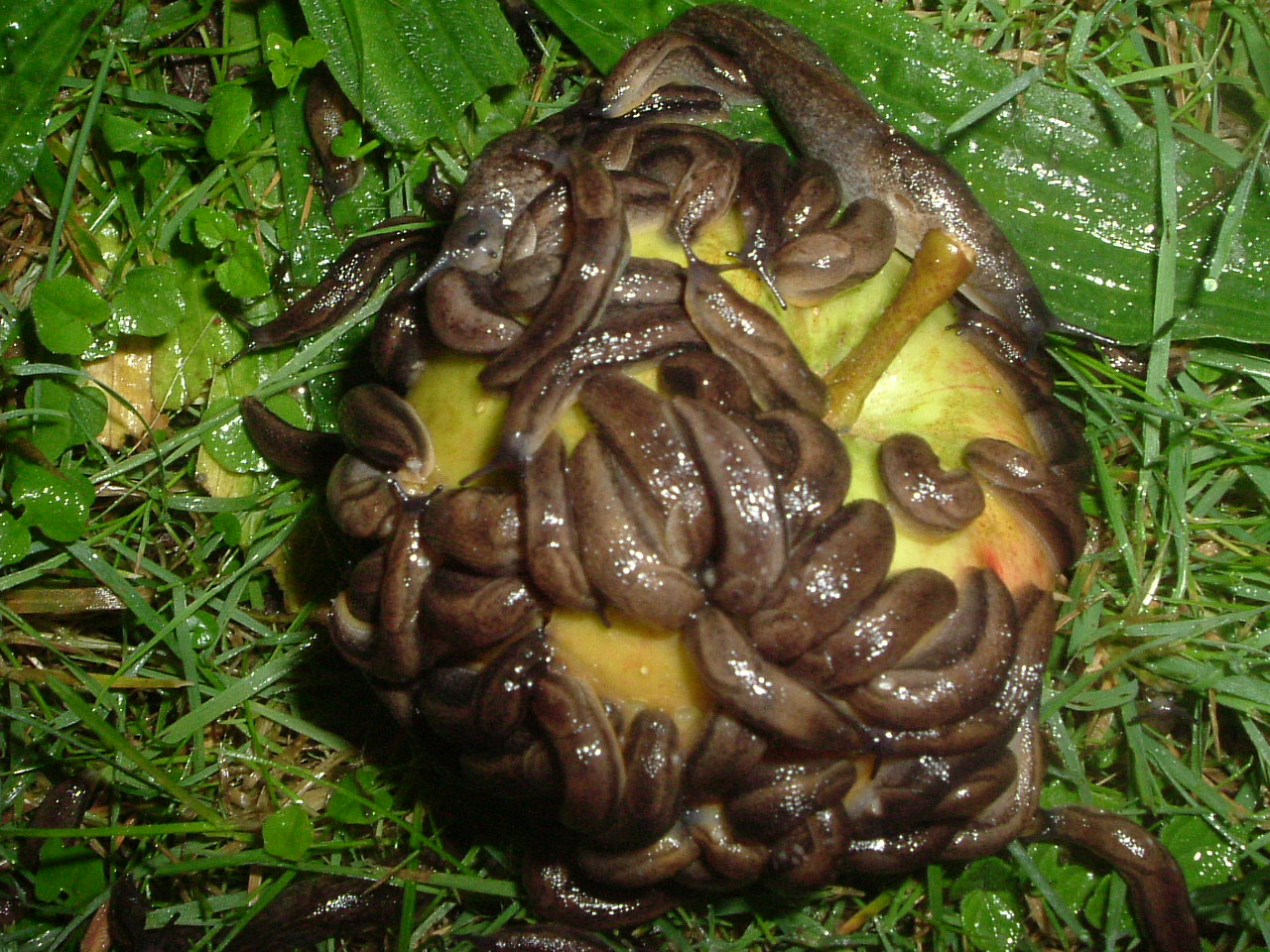
I was looking up the collective noun for slugs – I know weird – but I felt they needed to be referred to by their collective noun as they converged upon a hapless apple. On one of the question-and-answer sites someone had said ‘they don’t hang around in groups – so there isn’t one’. Having observed them over the past few weeks I would say that as long as there is food involved, they do!

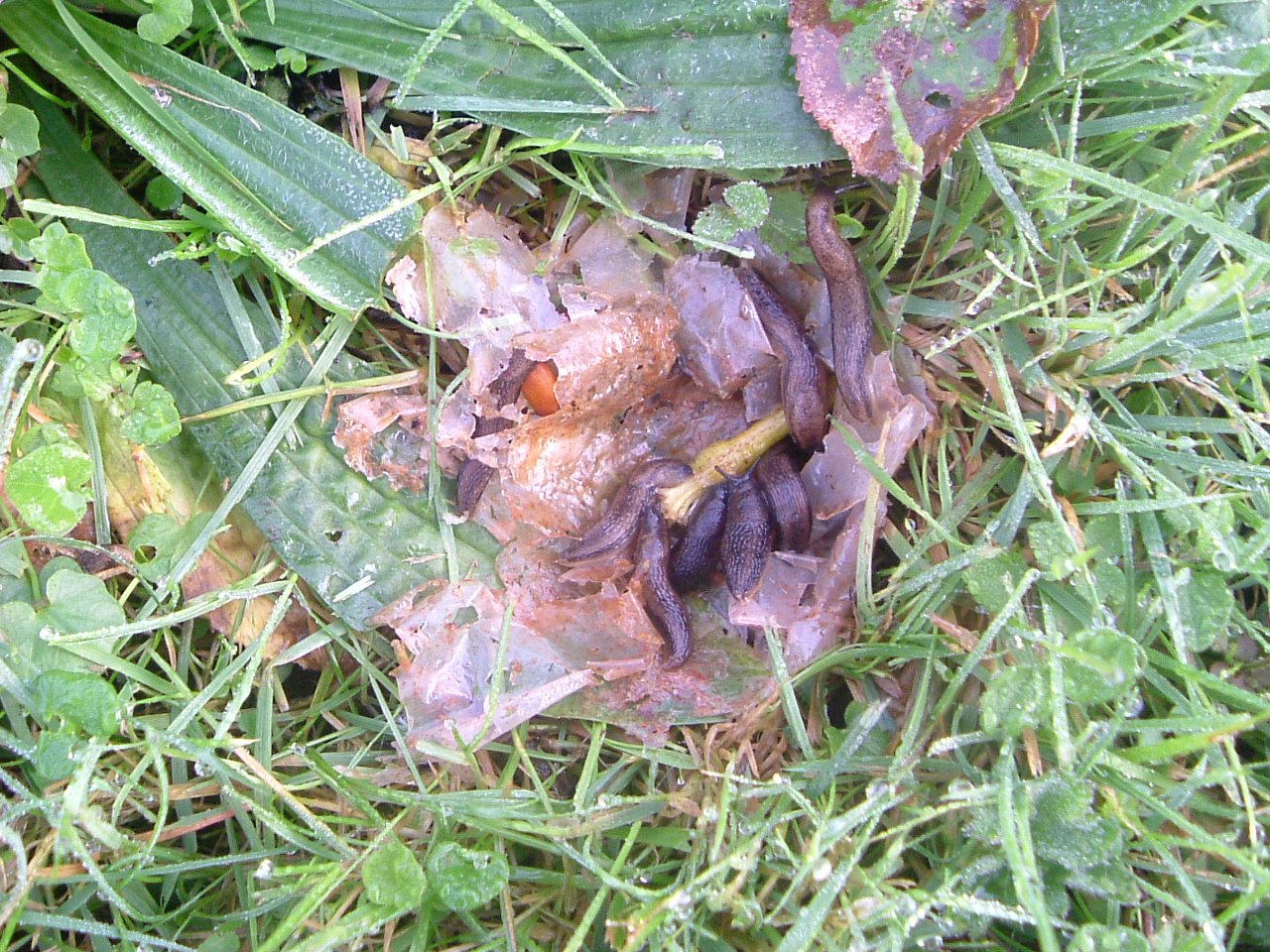
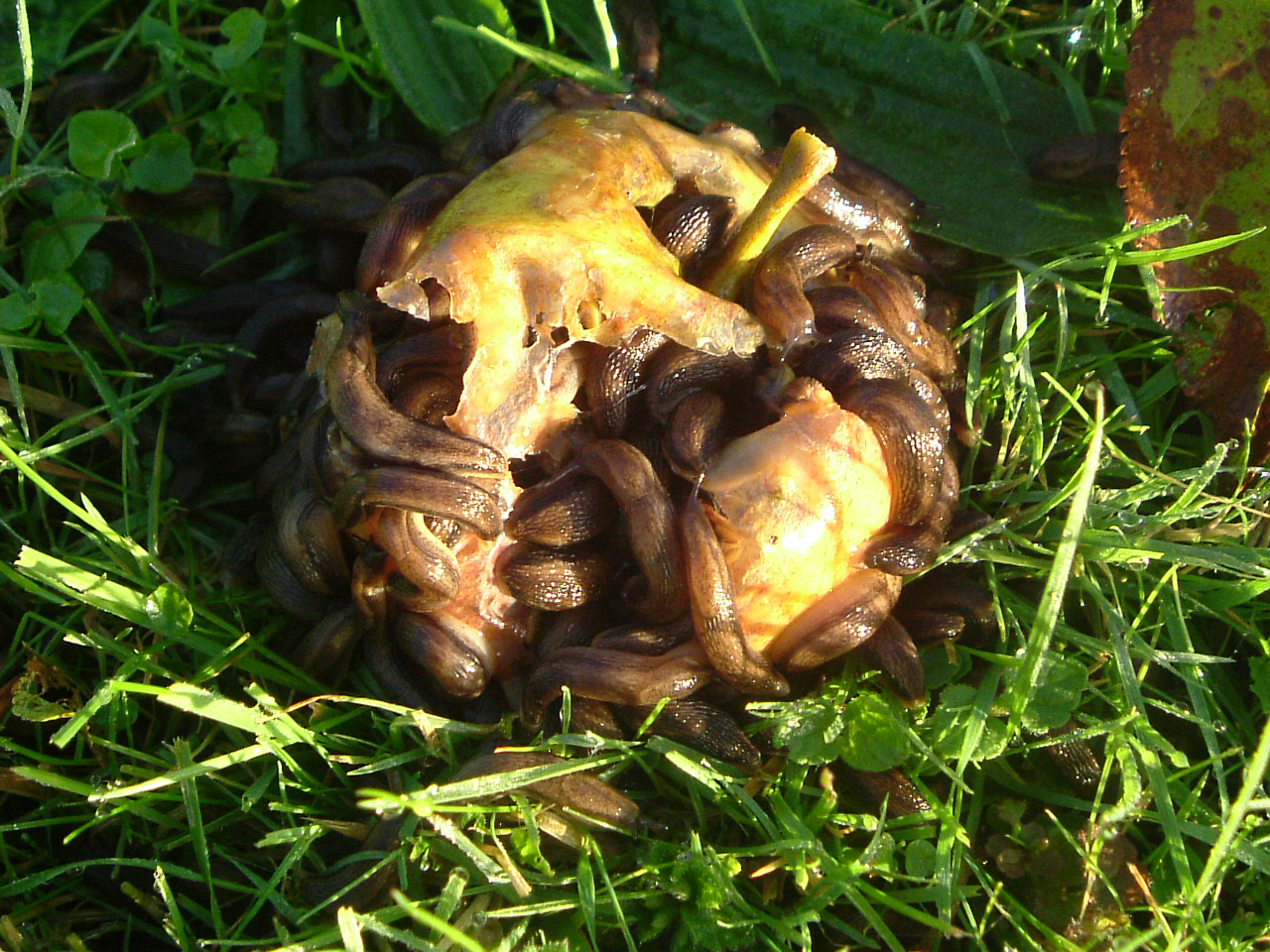
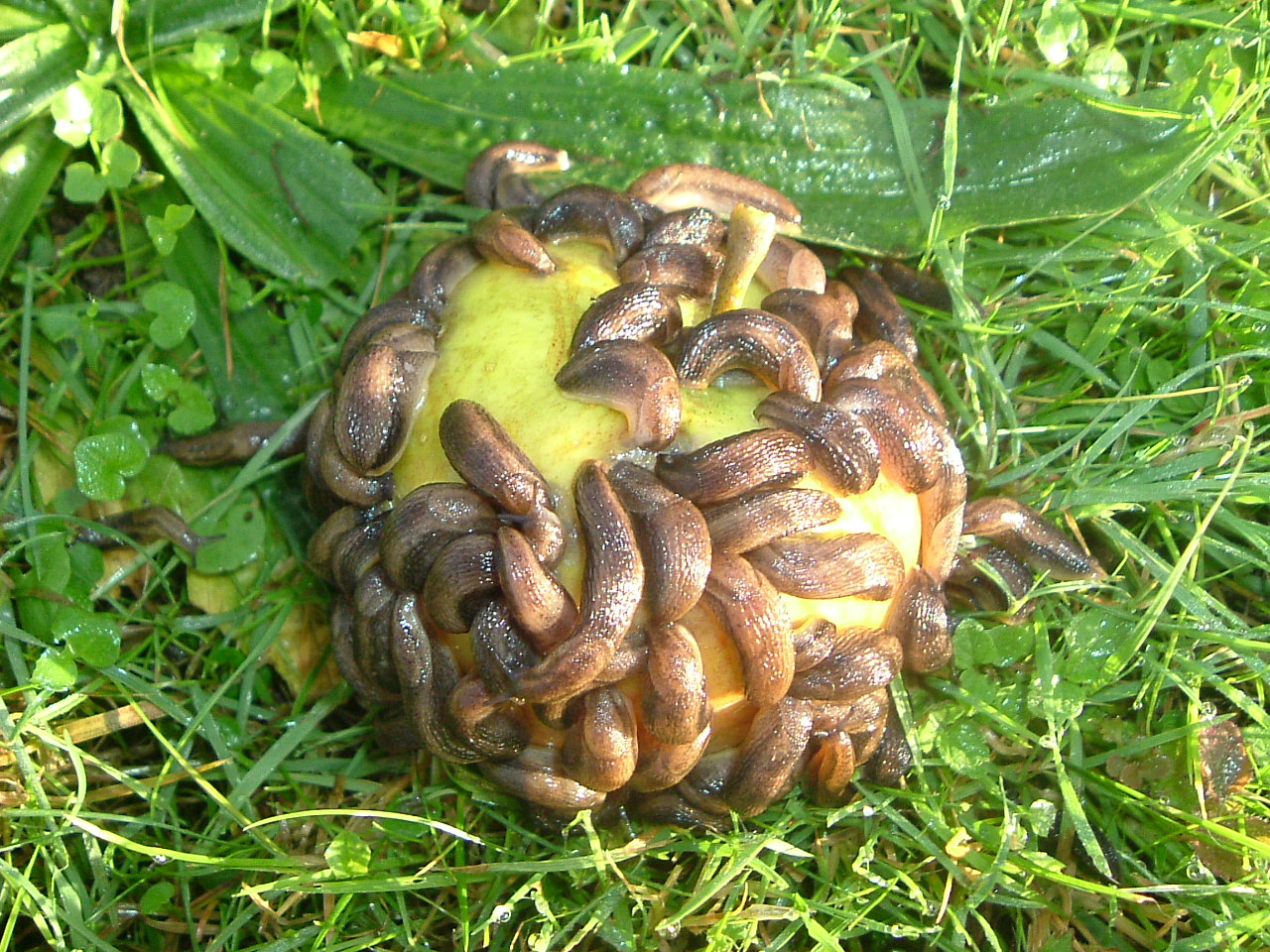
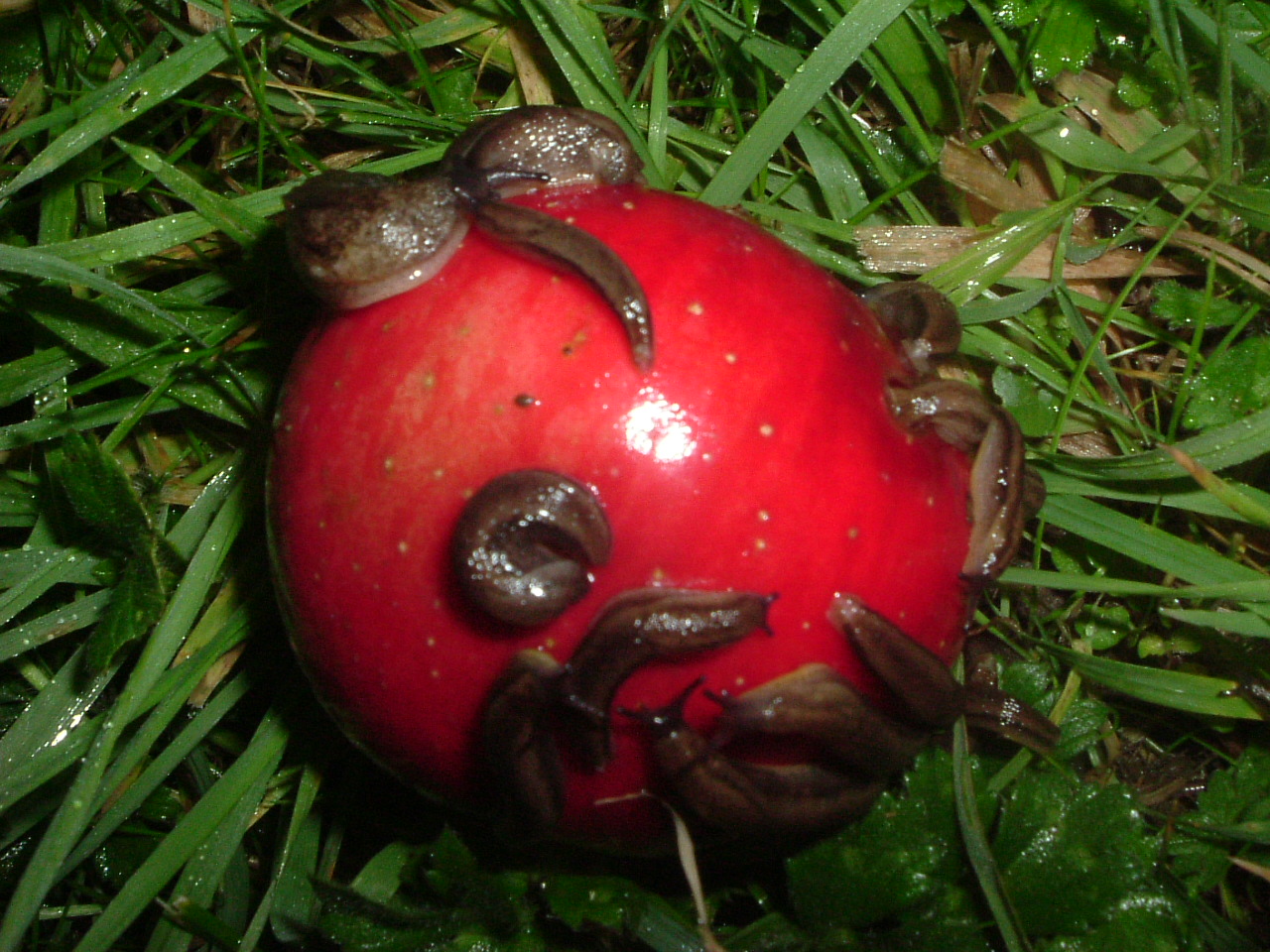
So, I started by being a bit shocked  by them – like woah! Look at that! And took random shots of apples that had come under attack like these below, and yes – there was an apple once under that first lot! If you are more fascinated than repelled, these conglomerations of slugs bear looking at more closely. (As a collective noun I quite like the idea of a ‘conglomeration of slugs’ – it beats ‘cornucopia’ that I saw suggested elsewhere – I think a cornucopia ought to be filled with good things – or is that only me?)

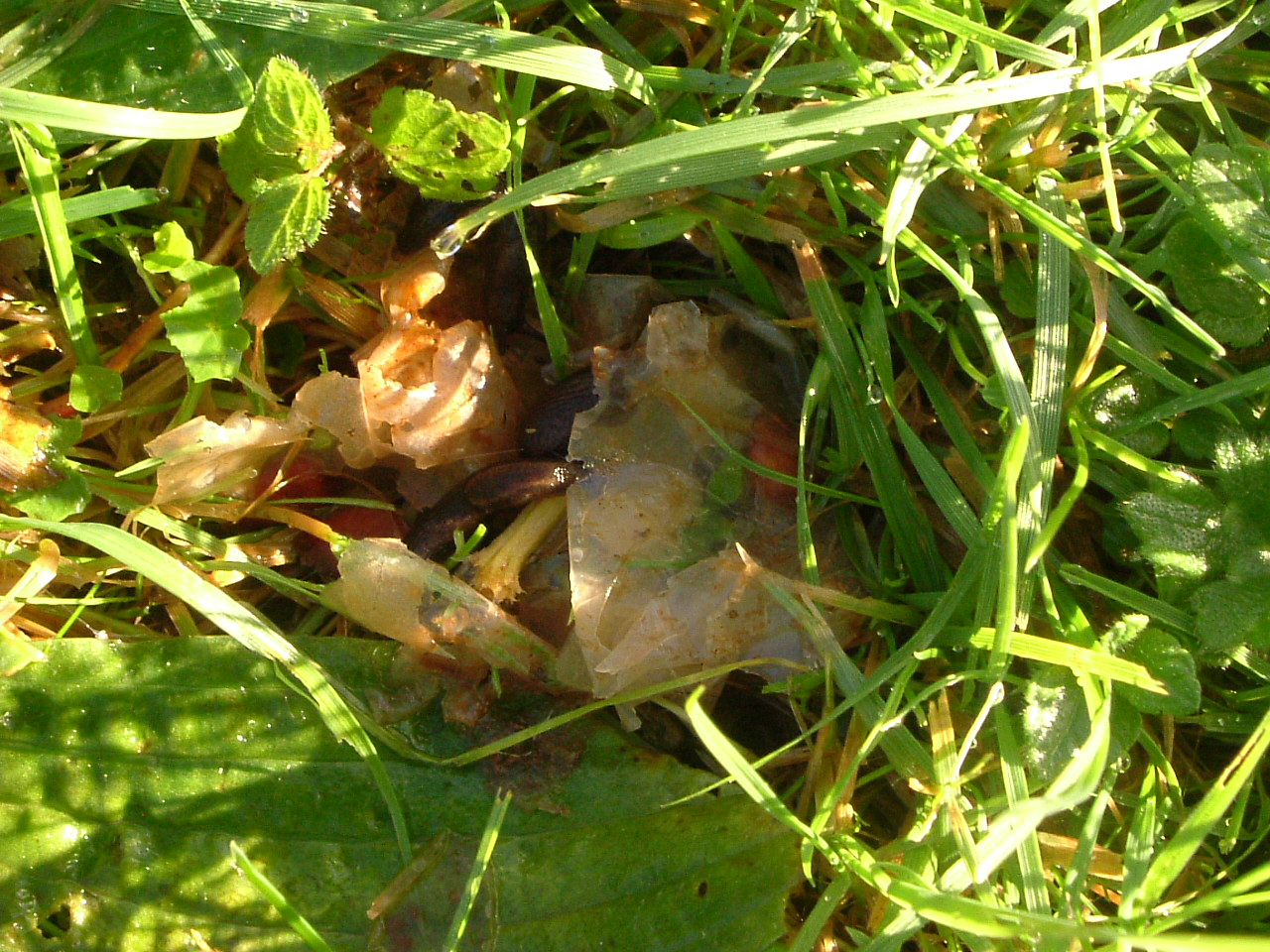
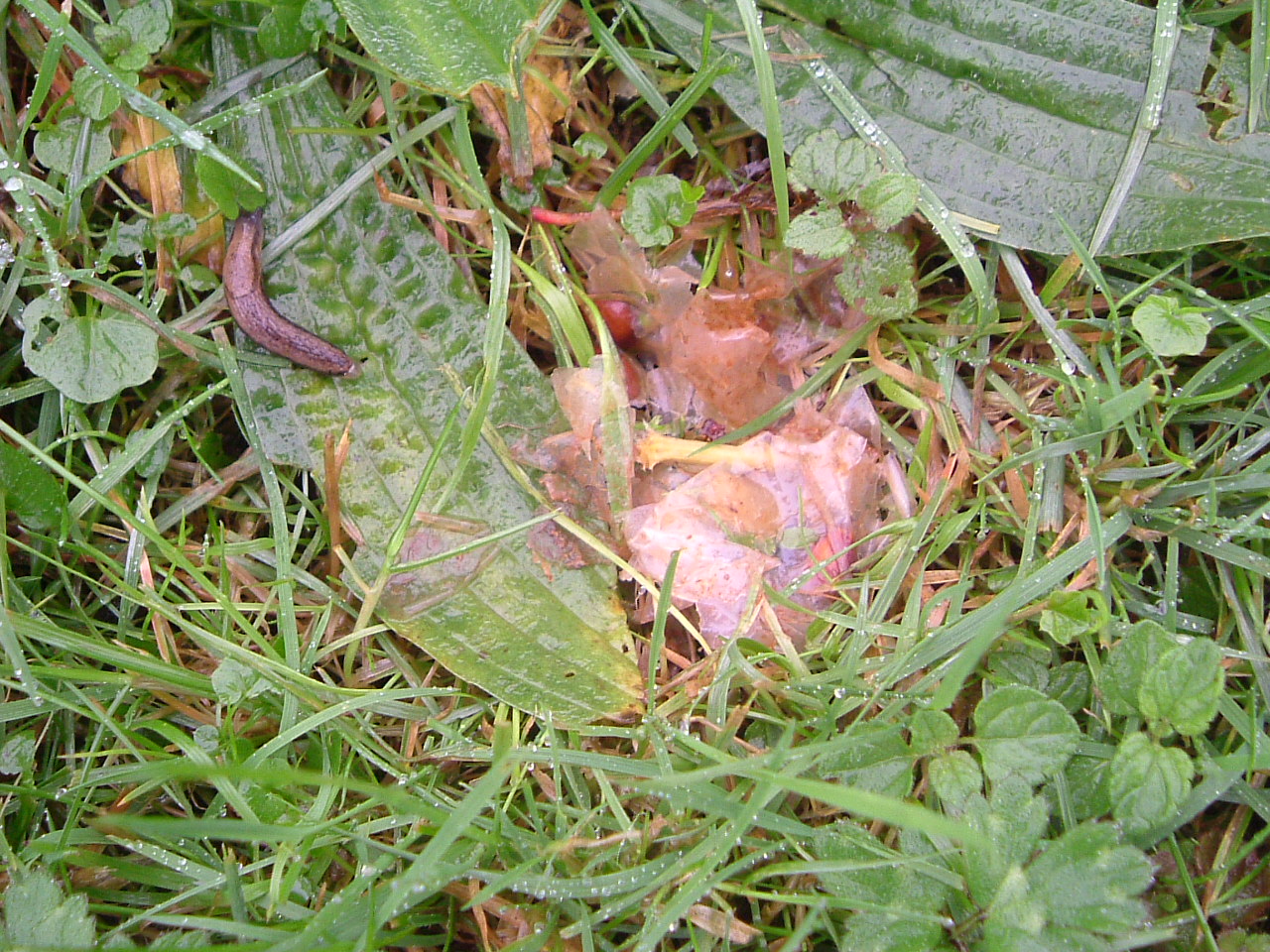
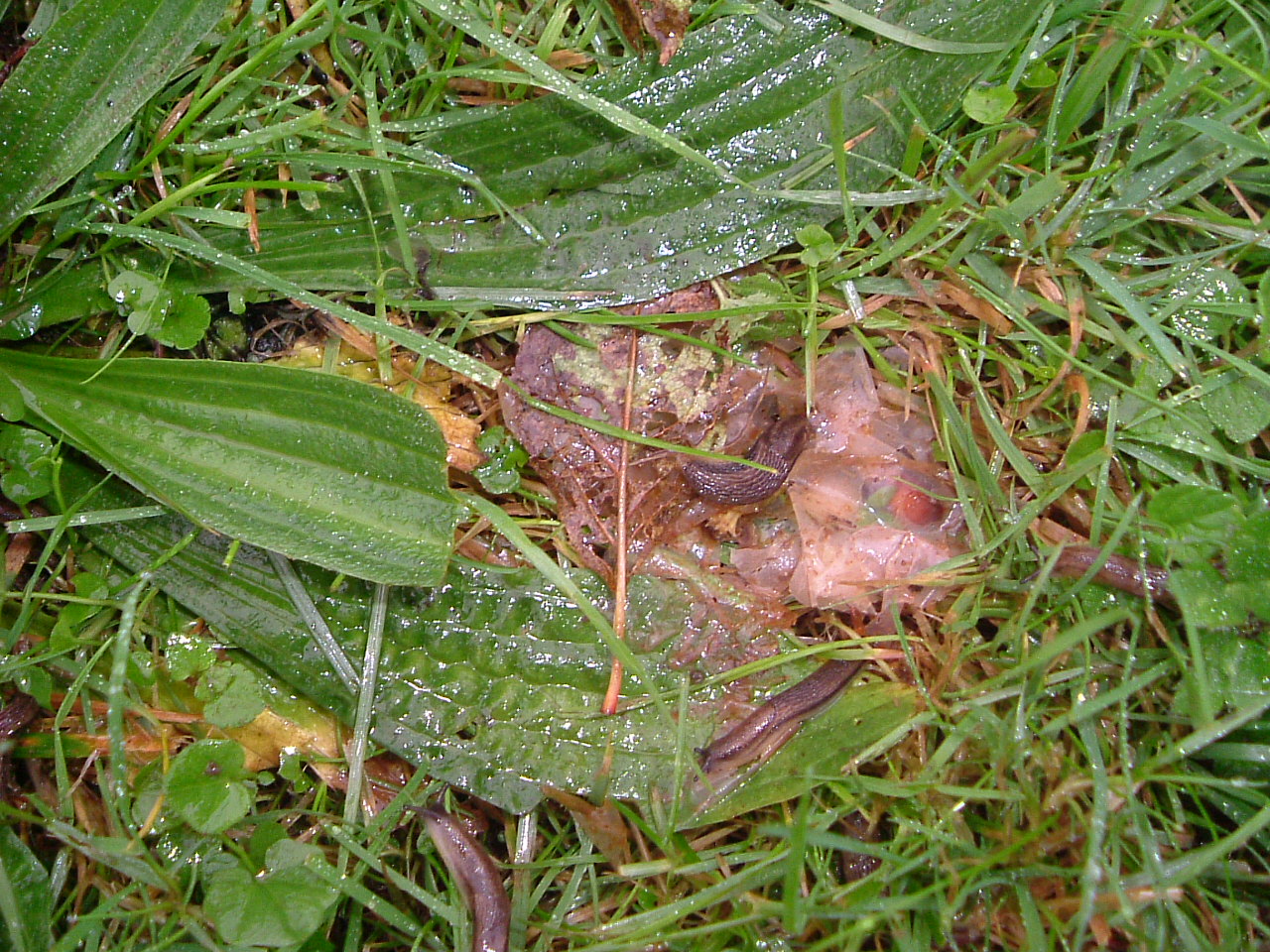
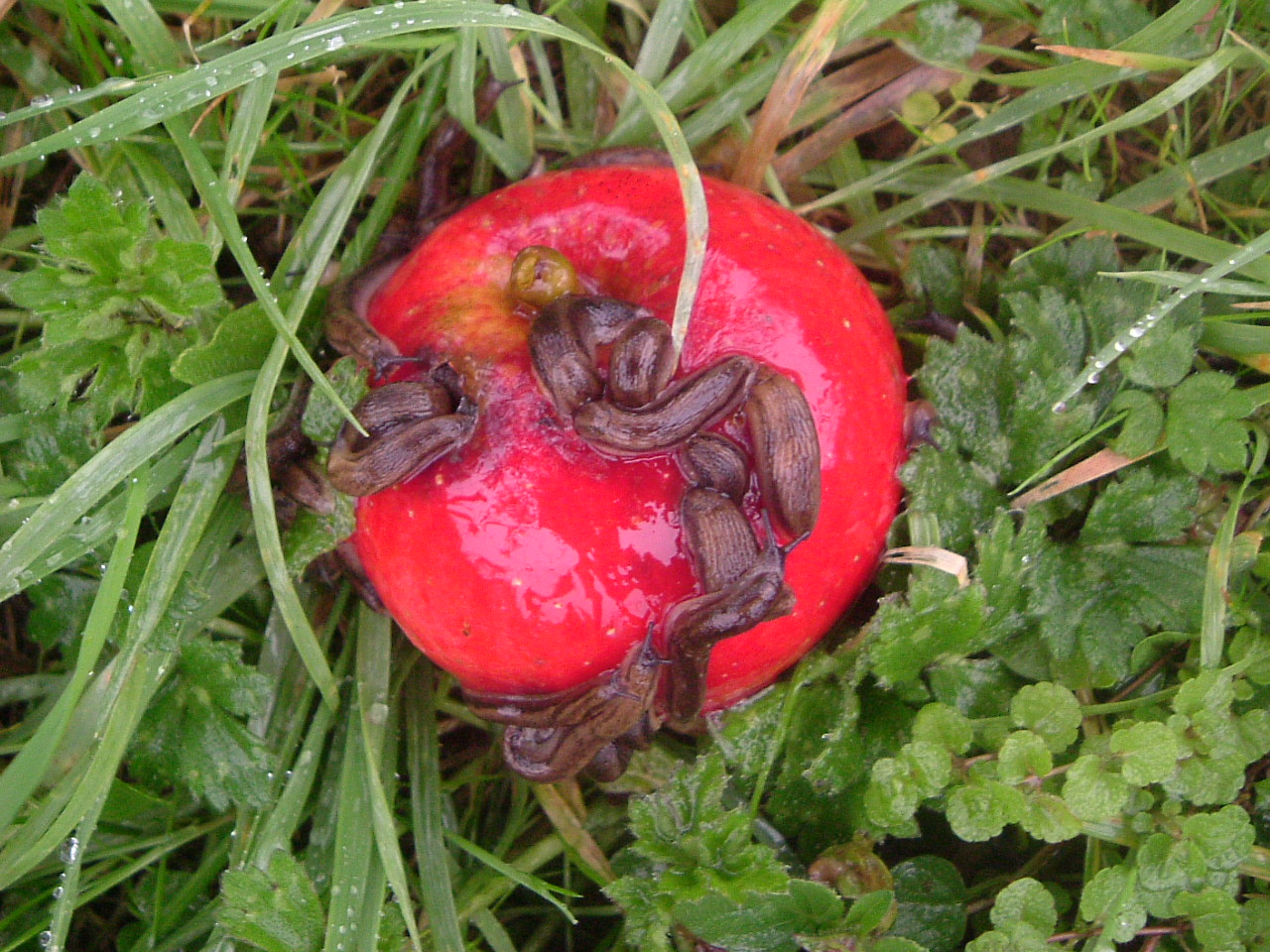
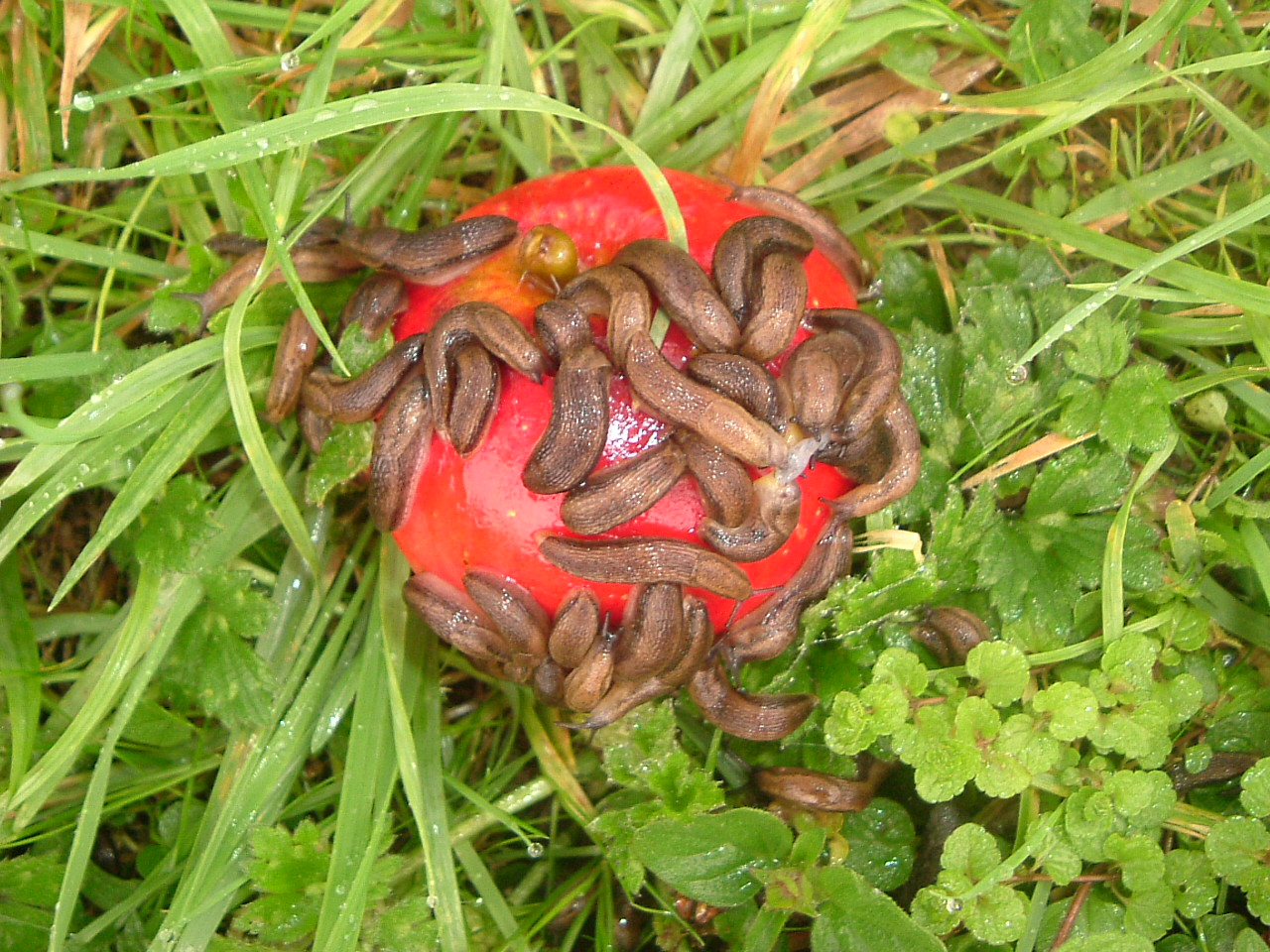
Then I set up two experiments. Two freshly fallen apples were marked (I stuck  a stick in the ground near where they each were) then each day (or should I say evening – sometimes a little later than other times – thus requiring use of the flash) I took a photograph of each of the apples.

The red apple is an extreme keeper (George Standish)  – isn’t usually picked until late October early November (in fact we will pick them on the first dry day any time now) and the other apple is an apple called Sunset, that tastes like a Cox’s Orange Pippin (which does not grow well in this area) but, unfortunately, does not keep as well as they do.

Each column charts the consumption of the apple over time – the red taking a little longer (ignore the ‘filler’ orange slug pic – only there to keep the apples in the right columns
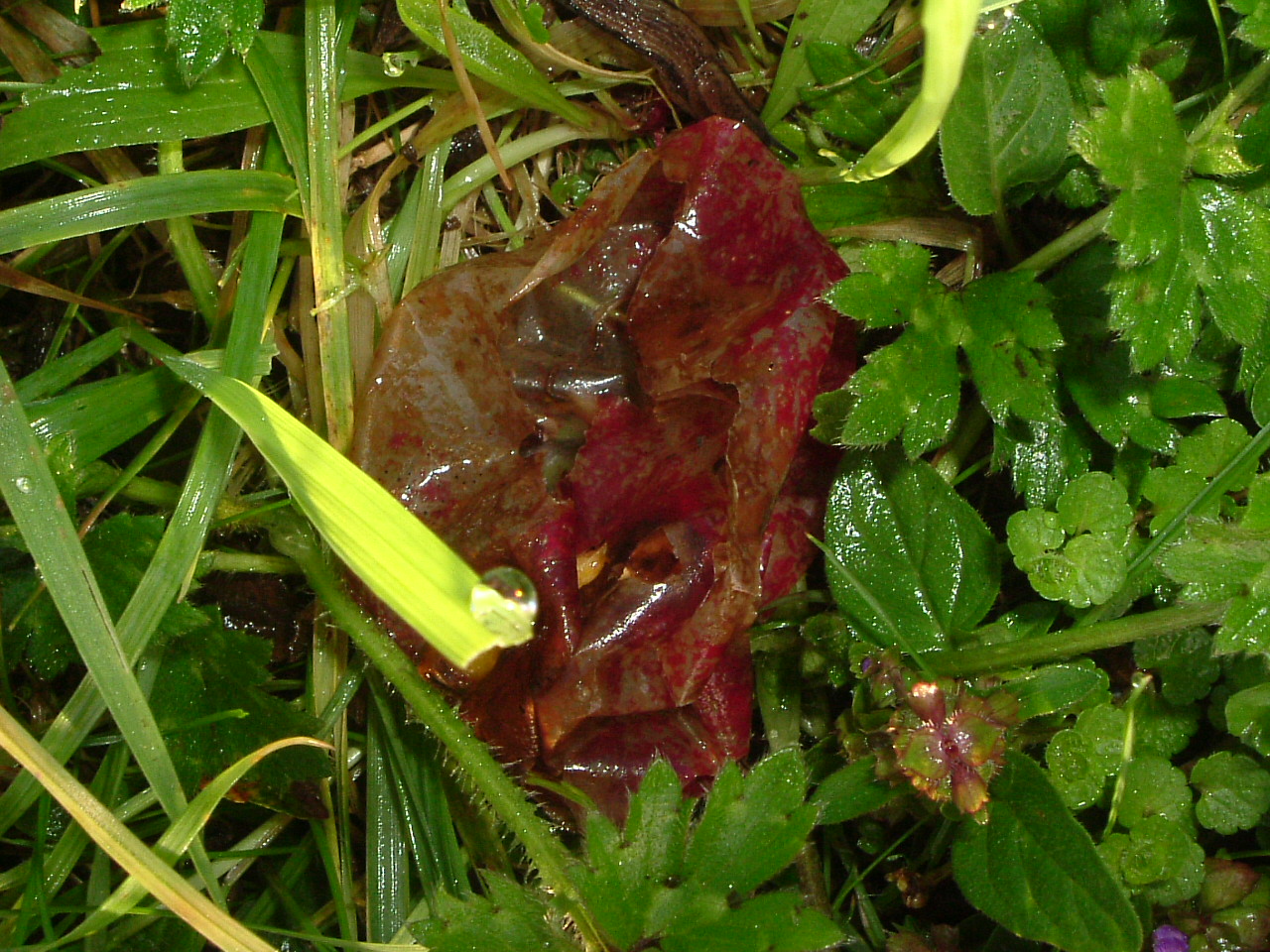
I was amazed how quickly the slugs found the Sunset apple (the greener apple), though other apples had fallen in this area previously so the slugs were around. You could see them heading for the newly fallen apple from a fair distance round it.  Though the slugs found the George Standish (red apple) fairly quickly they did not seem to make much headway for a few days.

The skin of the red apple obviously kept the slugs at bay longer than the skin on the sunset apple, and it was interesting how, with both apples, at a certain stage – when the apple was well broken- down a large ridged slug turned up to join in.

And talking of large ridged slugs – this strangely beautiful specimen was snapped while on a river-side walk in Brittany – it was at least five inches long and, as you can see, orange in colour.

So, what do you think is a good collective noun for a group of slugs? Do you find the way nature deals with ‘waste’  fascinating or boring. I’d love to hear your thoughts.
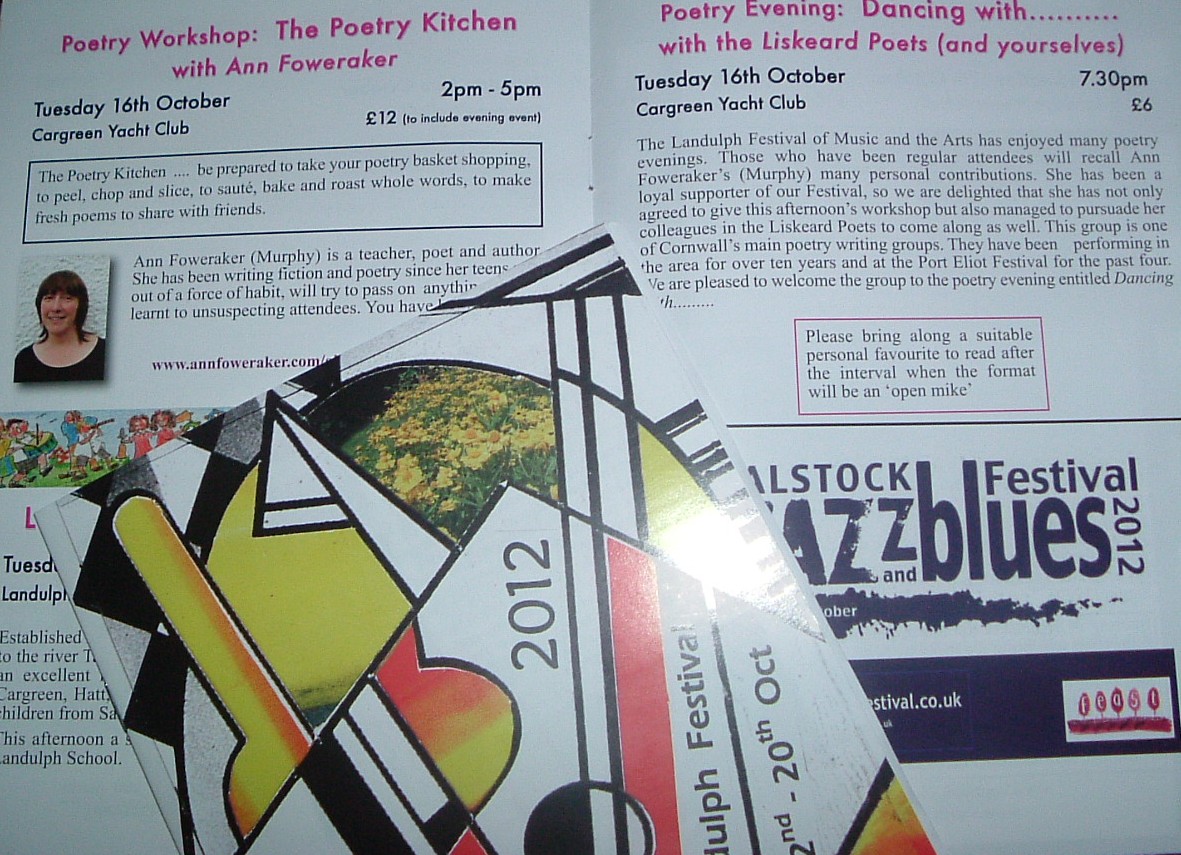
Inside the Poetry Kitchen

Another late blog this week – but it has been a busy one – including running a poetry workshop at the Landulph Festival of Music and Art.

As one of the organisers noted the Landulph Festival has been running for ten years and I have been associated with this festival for about eight years, ever since poetry was brought into the mix, however, this was the first time that I have run a poetry workshop there.

I chose The Poetry Kitchen as my title as food is such a superb metaphor for so many other things and as I taught ‘food tech and cookery’ for a number of years it seemed appropriate. I delved into the poetry collection ‘Eating Your Cake and Having It’ edited by Ann Gray ( a wonderful poet in her own right) for some  juicy examples, sprinkled in a few of my own and stirred plenty of other ingredients to inspire into the mix.

We loosened up out concepts by taking our poetry- baskets shopping into a surreal supermarket (as suggested by Mario Petrucci in another workshop) where I encouraged everyone to think of containers that they could carry their hearts desires home in, and then a list of those things they liked. The resultant poems were fun and interesting and gave us all permission to make unusual connections.

Of my group of five, four turned out not to be writers of poetry usually, but were artists. Though presenting more of a challenge they also brought such wonderful visual imagery and colour to their words that their poems were a delight.
The list of emotions that we linked in word-association speed with foods of all types provided another way to enter a poem, where such terms as ‘lime jealousy’ or ‘pavlova love’ were possible.

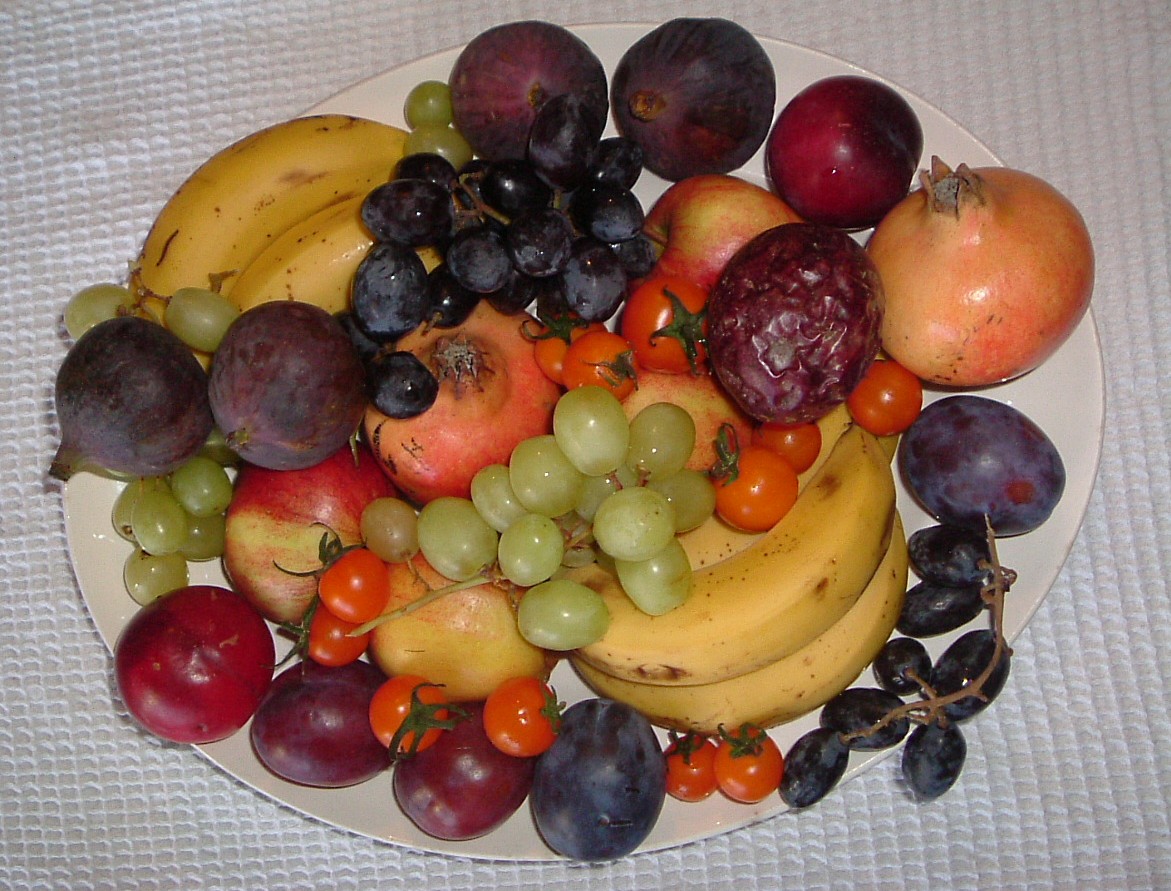
Then came the fruit A delicious plate of different fruits to cut, squash, peel, smell, taste, and all the time jotting down thoughts as we did so.

I loved the idea of the passion fruit as a ‘wrinkled dowager drenched in Chanel No5’ and ‘with her rich exotic memories’ that one of the group came up with, and the descriptions of the fig that came from another!

Finally we delved into recipe books to use the form of a recipe to structure our poems and here I used one of mine as an example – it comes from an old saying and a recipe combined.

‘Kissing is out of fashion when the gorse is out of bloom’

A Kiss on the Wild Side

I’ll gather the gorse flowers
sun sharp their scent stealing away my breath.
Fill my calico skirts with their acid brightness
carry them away, every one.
I’ll simmer them together with bruised ginger
with see-through orange peel
with pounds of sugar,
then let it cool
to a rational temperature.
I’ll add, less spice than I once would,
set the jar to stand in that still warm place
at the back of my mind,
and watch the seasons through,
watch the blooms come and come.
Then I’ll see if it’s true,
if I’m ready
to drink your wine.

In the evening the Liskeard Poets (to which I belong) gave a reading which was well received and was followed by an open-mike session where four out of my five new poets each read a couple of their new poems – to much acclaim!  All in all a pleasant evening was had by all.

Quick update for the FWT? cheerleaders – remained at 9.10 but a half inch drop in waist pulled in tight AND thighs are more toned – bought my first pair of skinny jeans last week too – so not unhappy about that !

So what were you up to last week? Did you learn any new skills? Try out any new hobbies? Do share, I love to hear from you.


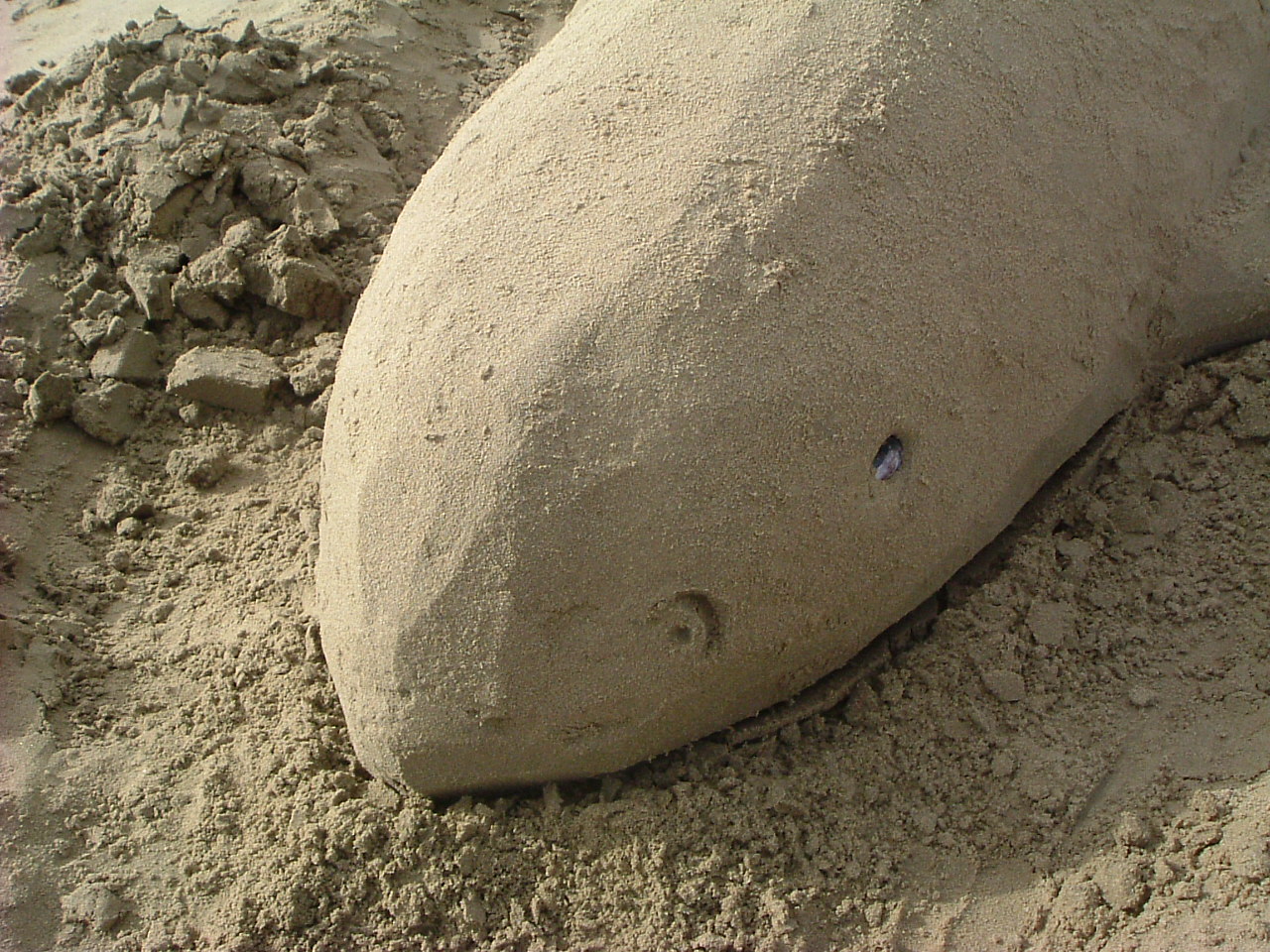
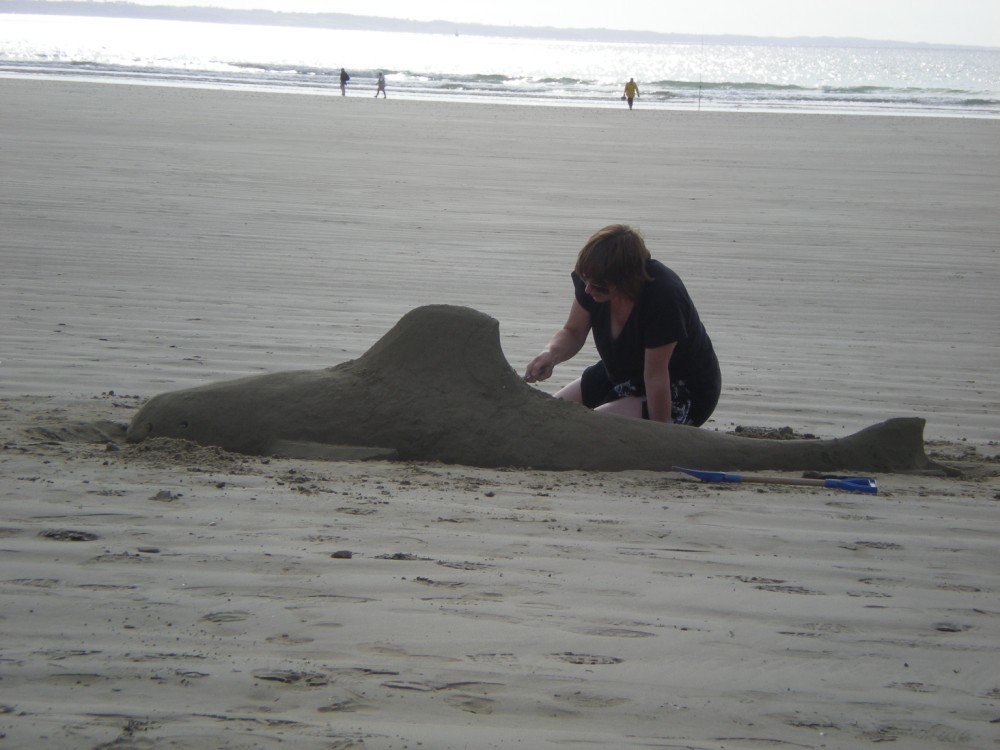
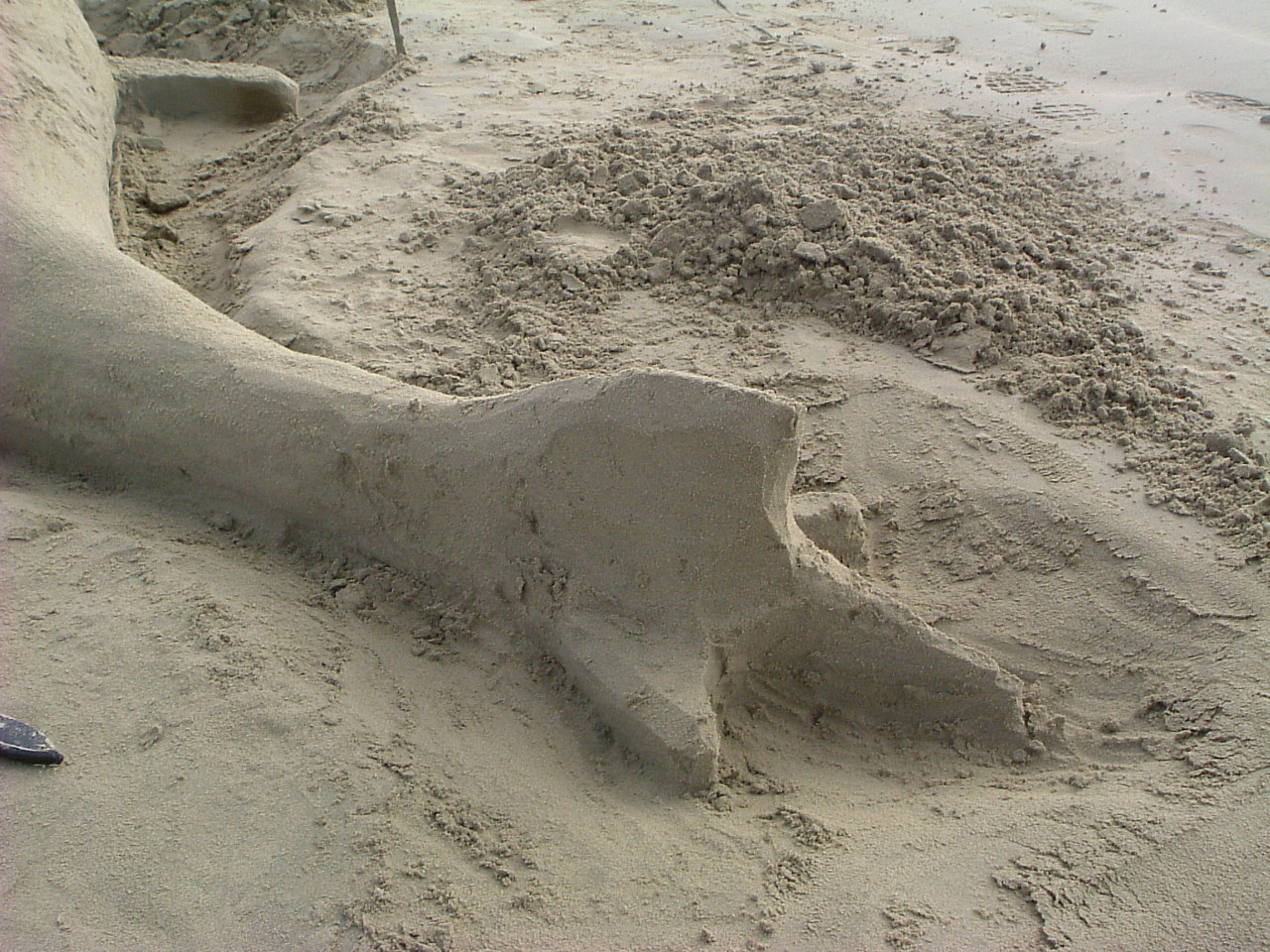
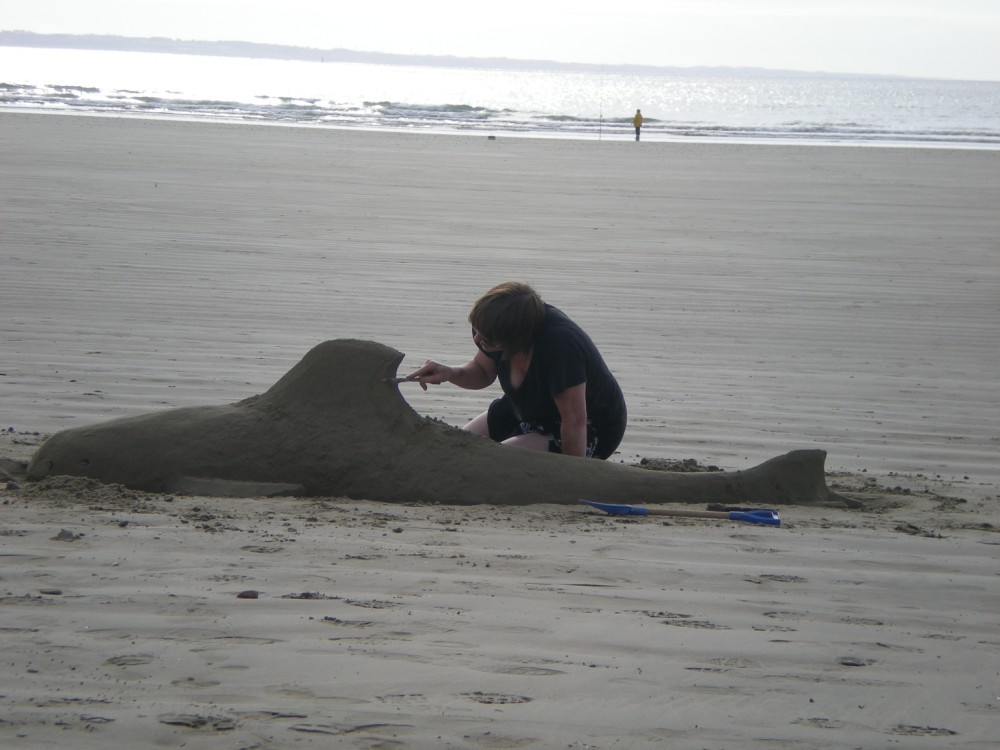
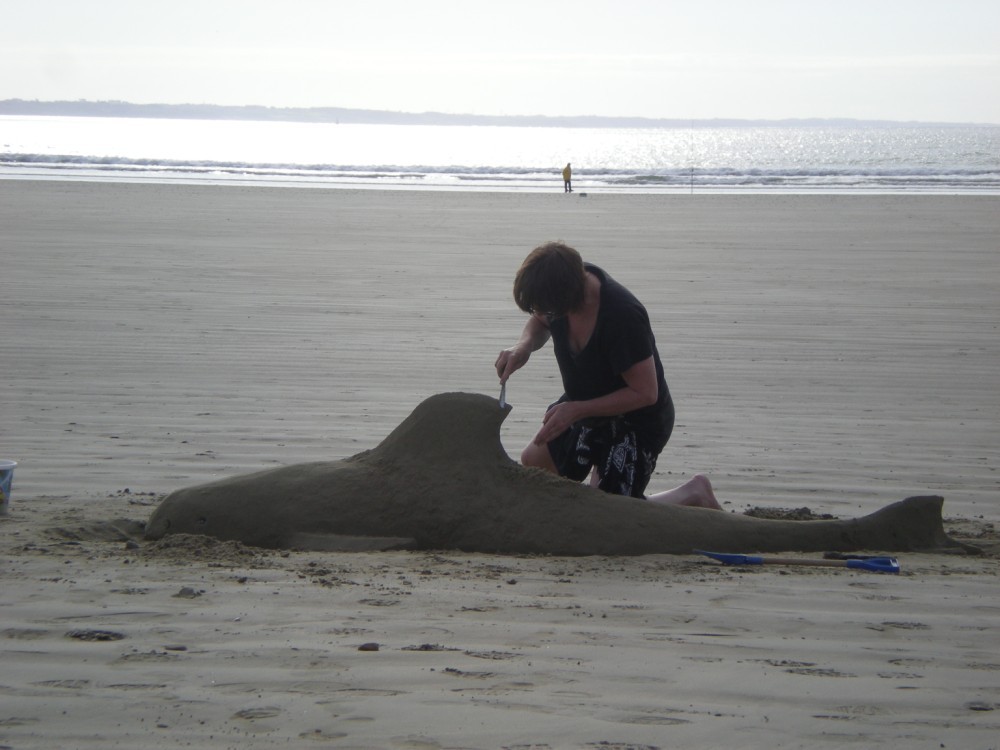
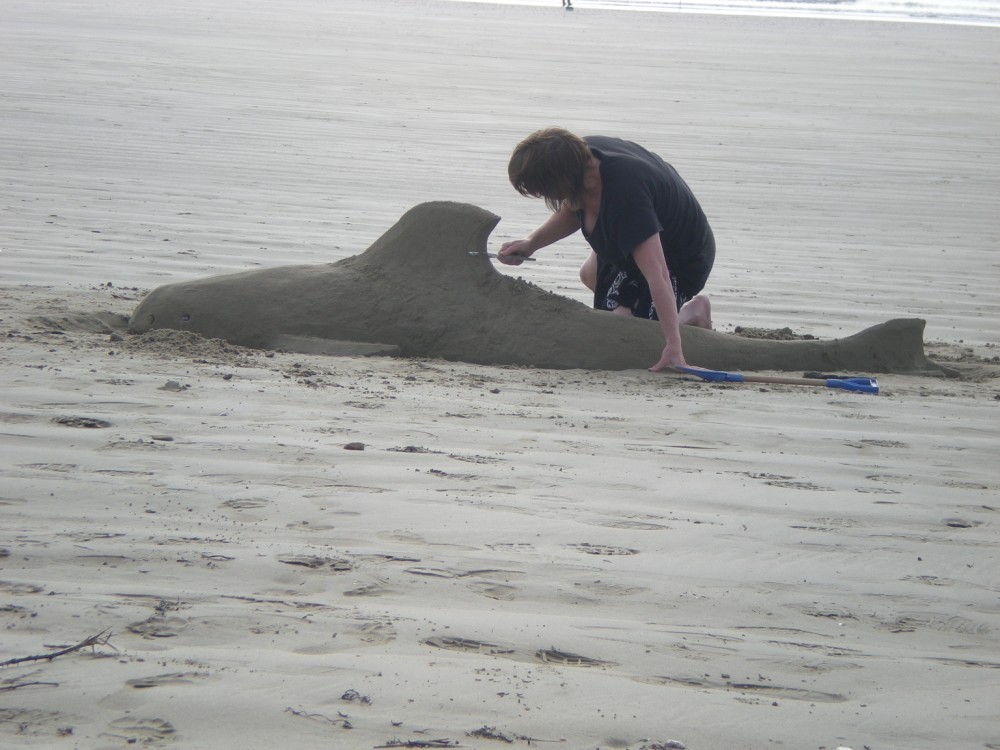
How to make a Shark (BTT sand-sculpture)

Ok,  so if you haven’t read my other blogs on sand sculpture I need to explain the BTT (Between The Tides) As in – you are working with sea sand ( not the best – sand grains roll off each other as they dry so not as strong in sculpture) plus you have all the randoms (shells and bits of shell, seaweed, stones, rubbish) that may get into your sculpture sand, plus there is not time to stack and pack as the ‘professionals’ do as you only have the time between tides to work in (or less).

So there you are at the seaside with good sand and a collection of items to help you. A shovel or two, a knife and a spoon are pretty useful, a couple of brushes (cheap decorators paint brushes – one large one small – (about four inches and an inch) and at least one bucket.

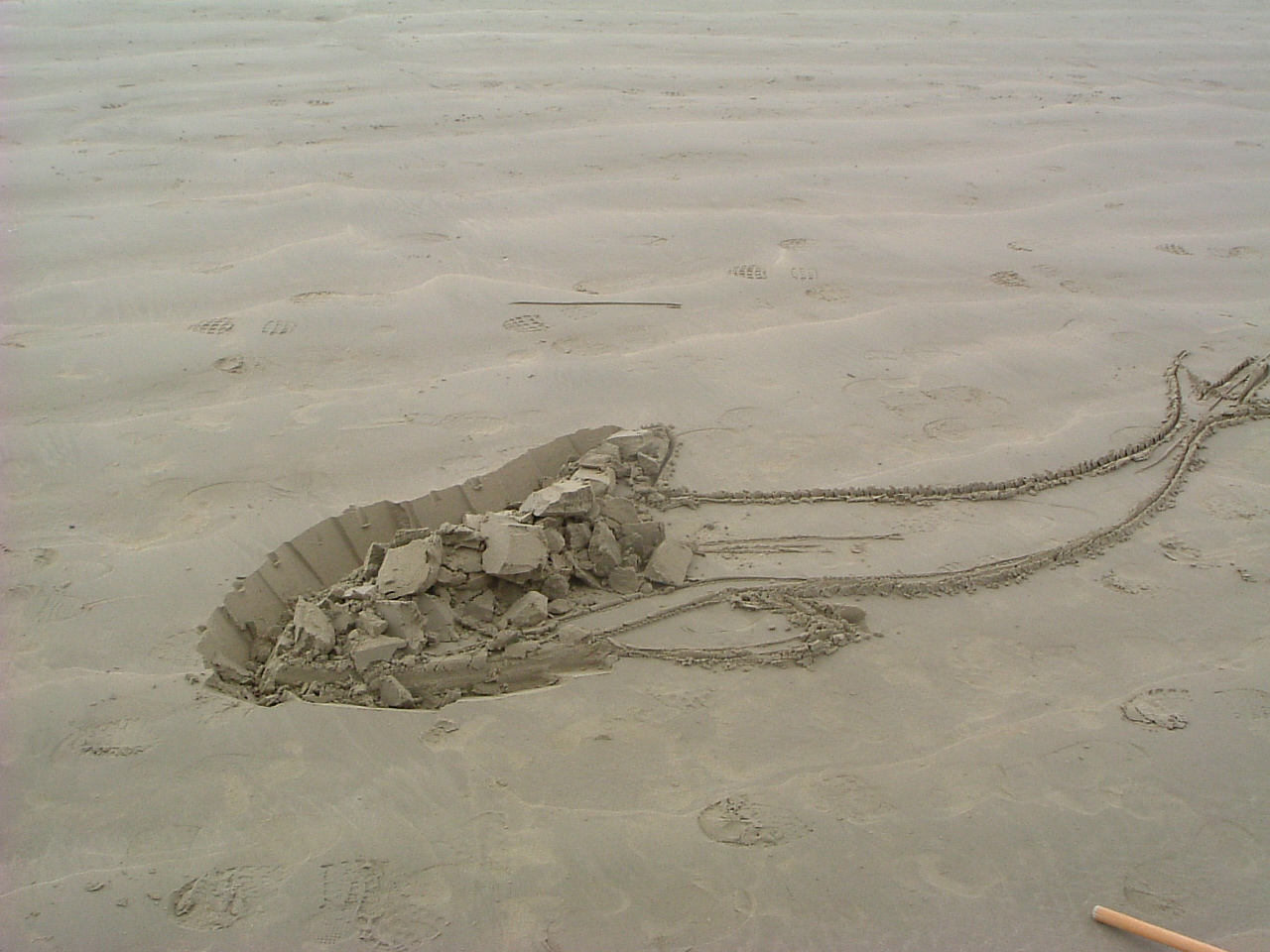
On this day I looked at the tide, it was coming in, but I thought I had time for a shark. [click on the pictures if you need to see details or the whole picture as the thumbnail size trims it down]

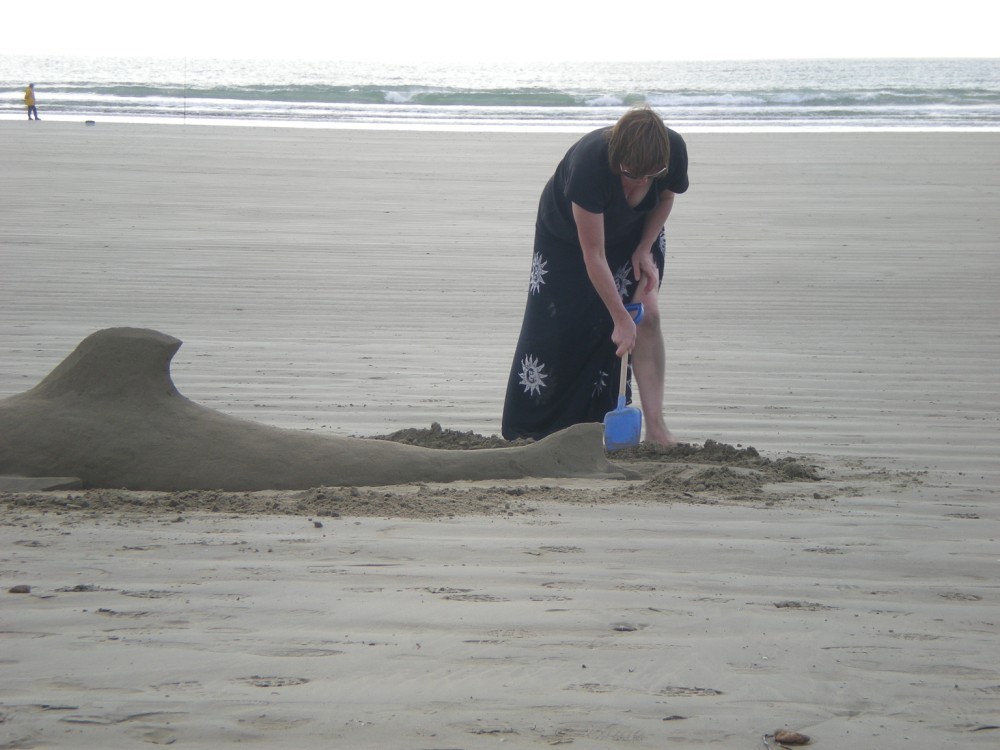
1, Mark out shark shape on the sand with the corner of the shovel – give it a bit of a wiggle to suggest movement, 2,  Go round this line again, digging the shovel in deeper, 3, Dig all round the shape up to the line and tossing the waste in to the shape.

4, Continue doing this, digging from the outside towards the line and throwing the waste into the shape centre – consciously building up higher where it is needed. 5, Using your fingers knead the lumps of sand and using your hands roughly shape the mound into the approximate outline. 6, Pat it firmly into shape – using the back of a shovel to firm up the larger areas and hands for smaller areas like the tail. (Do not worry about the fin yet – but leave the fin areas rough – do not pat smooth)


7,  Start to build up the dorsal fin, it will be about six inches wide where it leaves the back of the shark, use loose damp sand that has come from the shaping and squeeze it up between your hands always leaving the top edge rough to take the next layer. 8, Work on a large wide curve, bringing the sand up thinner nearer the top. Using both hands, one to steady the fin, pat the sides to gently firm it. 9,  Do the same for the tail (caudal) fin.(just about visible on this pic)  Then leave both to ‘settle in’.

10, While the dorsal fins ‘settle in’ turn to the side (pectoral) fins, sweep away loose sand. 11,  Use the knife and trim to shape – again removing loose sand. 12, Cut angles on the fins and slightly undercut both front and back to make them look thinner.

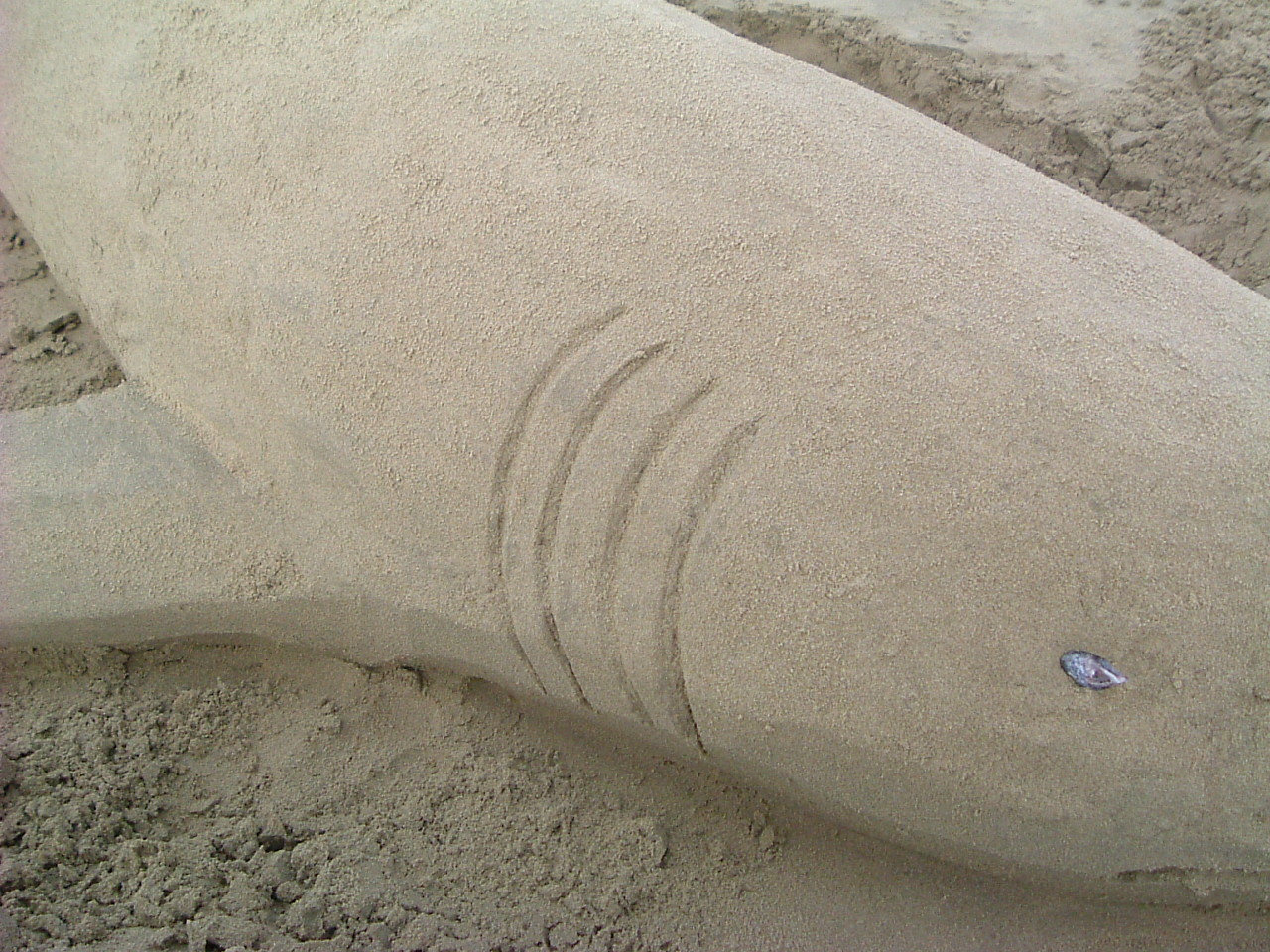
13, Gently pat and brush down the whole body of the shark until you are happy that it looks smooth enough. 14, Find a some suitable shells or pebbles to use for the shark’s eyes. Mussel shells, smooth clam shells or flat round grey pebbles are best. With a little rotational movement, site these either side of the head – taking care to have them even and 15, using the knife or tip of the spoon carve the nostrils.
16, Now return to the dorsal and caudal fins. For both of the fins start by marking out the curve that will make the characteristic shark fin look – draw it gently and evenly on  both sides. 17, Do the caudal fin on the tail first – it will give you practice. 18, 19, 20  start to shave the sand away, cutting at an angle from one side then the other. 21, Thin out the top of the fin a little by shaving gently with the knife – brush down to remove loose sand. (most pictures show working on large dorsal fin)

22, Below the nose of the shark draw a line for the mouth, then draw another line just below that one – carefully cut out the wedge in between. Add some broken shells to make white teeth. 23,  Draw the gills on either side of the head – again by making two cuts. 24, brush the cuts smooth to finish.

25,  Tidy the area, pulling loose sand out to make an edge to frame the sculpture . 26, There is always something red in the flotsam on the beach – here a broken piece of plastic makes a good raw-meat look-alike for the shark to get its teeth into, 27, Final picture of the shark,  28, silhouette against the incoming tide.

Hope you have enjoyed watching me make a sand shark 🙂

and thanks to my friend Krissi for the shots where I am in them! And – it’s true – I must be a little mad – taking time to make such things that last such a short time before the tide takes them away. However, as we packed up and returned to our car, ours weren’t the only photographs that were taken of the shark – so it gave some pleasure to others too.

Latest info for my FWT cheerleaders is – a half pound down and I’m giving a talk on weight loss by using the method my sons and I worked out, at my WI on Wednesday – so that should be fun.

And I am still gearing up for the poetry workshop I am running at the Landulph Festival on Tuesday of next week – more about poetry then!

What do you like to do on the beach? Lie in the sun or do something active? Do share – I love to hear from you.

As September draws to a close – Nature notes

I’m not sure where September went – it seems to have gone so quickly. I know I spent a week away (that turned into 10 days because of the Brittany Ferries strike) but the end of this month still seems to have arrived at a gallop. I’ve created lines of photos this month – by way of a change.

Earlier in the month we had a few days of warm sun, some of the border flowers had a burst of colour and the butterflies (peacock and tortoiseshell) and bumble bees were out in force.  There was even a dragonfly laying late eggs into the moss hanging over the edge into the pond.

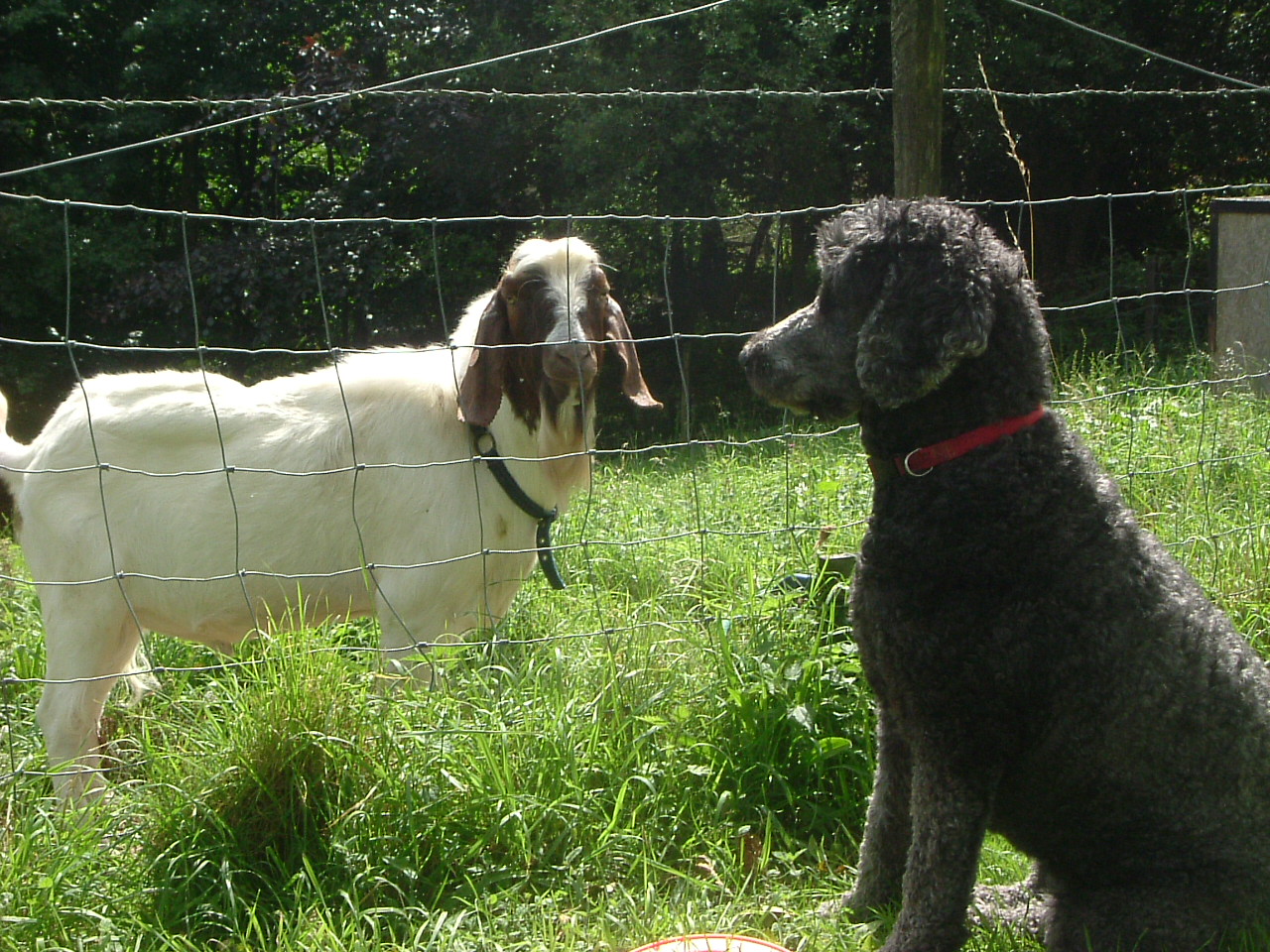
The billy goat has come into season and is making himself fragrant for the ladies ( nanny goats) Do you want to know how he does this? If you have a low ‘YUK’ threshold look away now…. ok? Apart from the scent glands on his head he also contorts himself to aim a stream of urine right at his beard. This will soon acquire a strong odour (which, apparently, the nanny goats consider a great attraction in a male) Considering the good scenting abilities of a dog I’m amazed that the dog is happy to sit so companionably close to the big feller at this time of year!

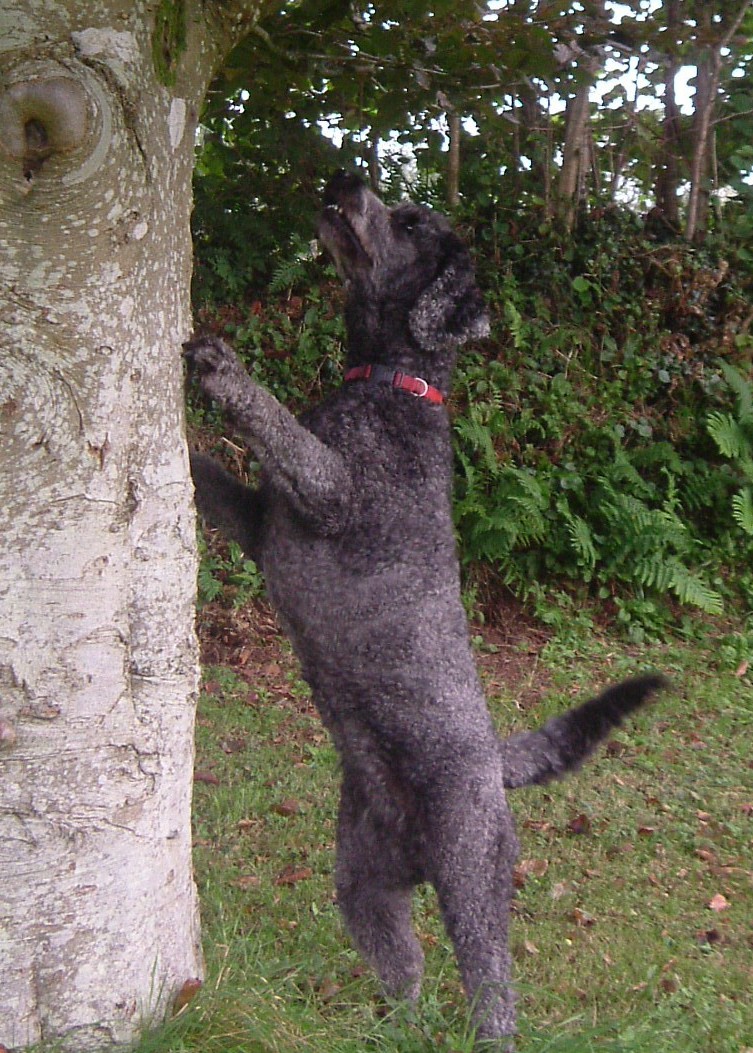
And talking about scenting – the squirrels have taken just about every cob nut from the tree – most before they were even ripe. Their trail leads across the lawn and up the beech tree – and where the scent trail follows the dog tries to go too. It’s just not fair that dogs don’t climb trees, is it?

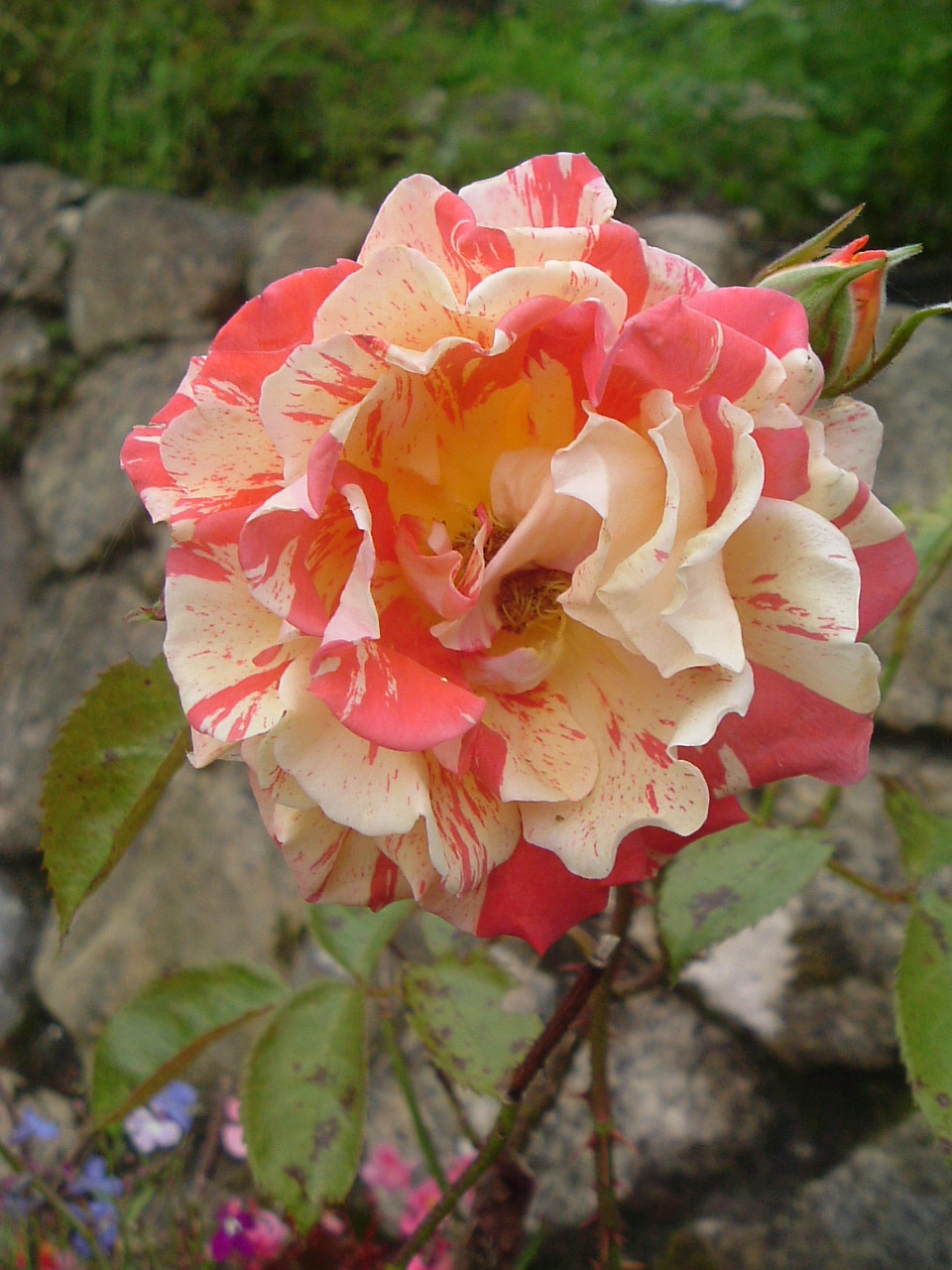
Having got over the ‘scent’ of the billy goat I thought I’d add a little fragrance with this scented  late flowering ‘oranges and lemons’ rose – so pretty.

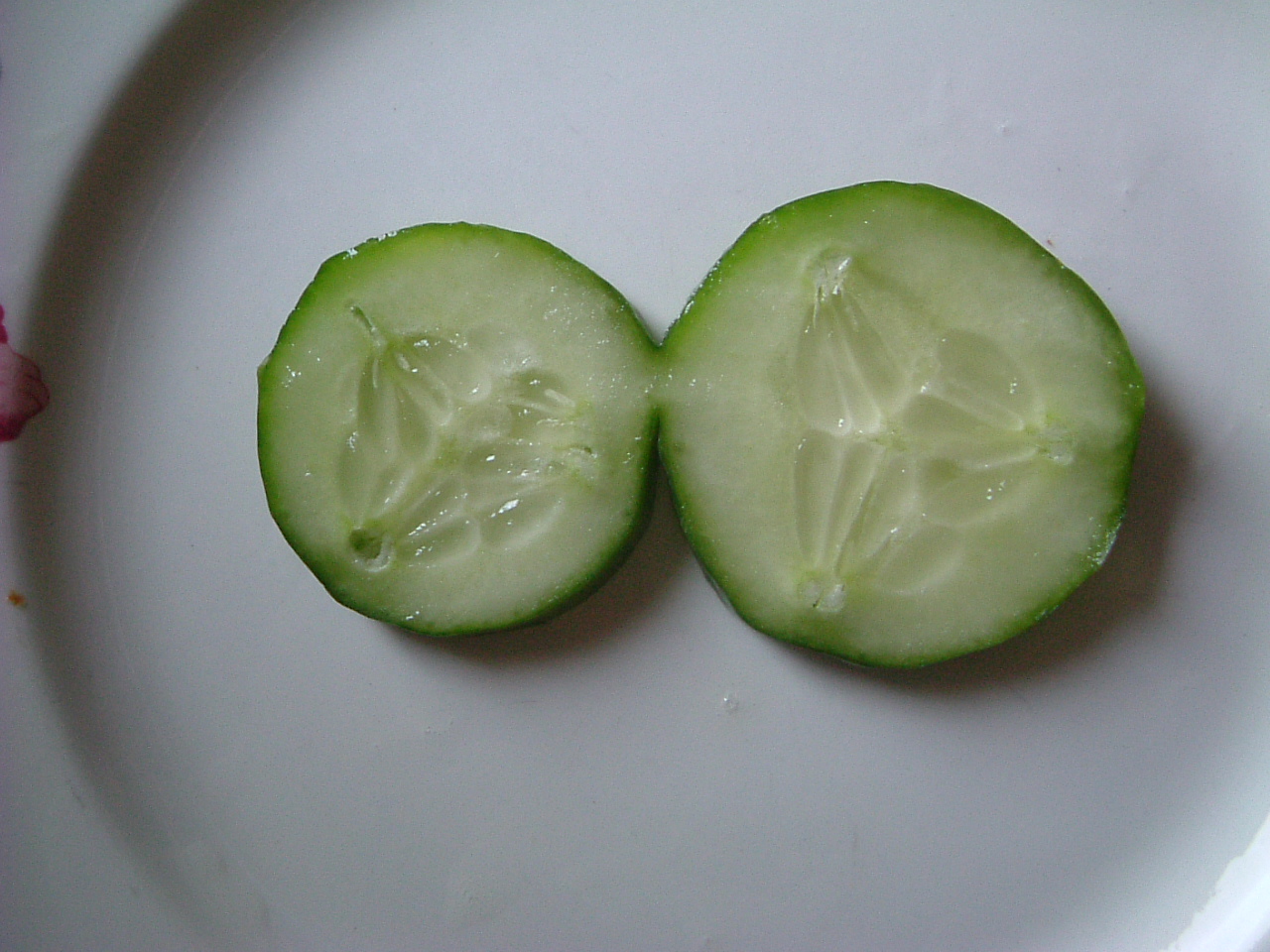
And a cucumber twin found growing in the greenhouse – making interesting figure 8 slices when cut.

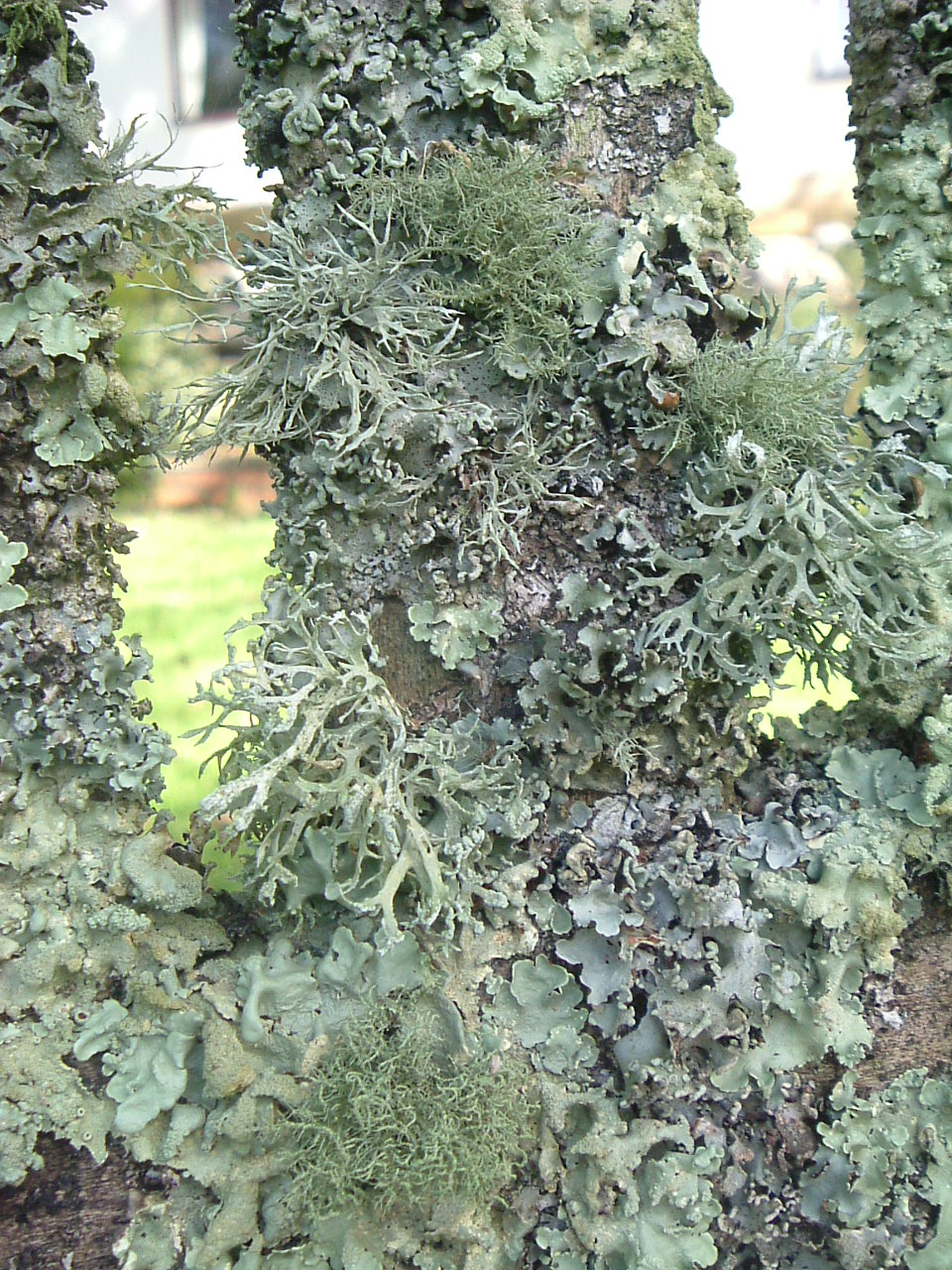
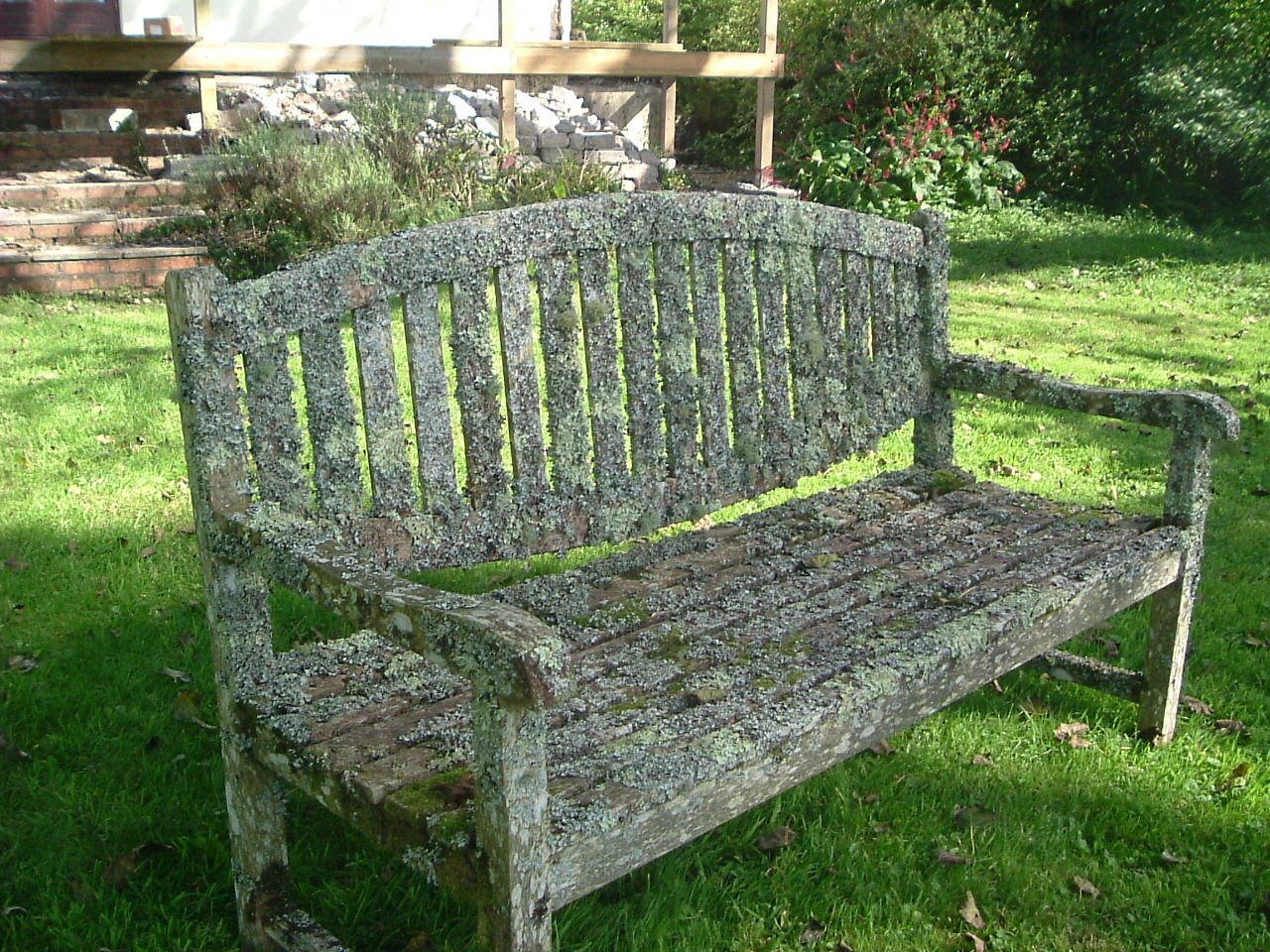
Finally, a series of photos taken of a garden seat belonging to friends of ours, a wonderful example of a good lichen habitat – the whole seat has been covered by a range of different types of lichens – quite wonderful! Front view, side view and close up of a couple of slats. These really deserve to be clicked and viewed as enlargements!

The FWT results (for the information of my cheerleaders)  this week are a half pound down! So we are back on track – YAY!   (after the hiccup caused by the ferry-strike-imposed inaction and junk food)

At the moment I am also thinking about Food for the poetry workshop I am leading on the 16th of October at the Landulph Festival of Music and Art where I shall be encouraging poets to use foody metaphors and experiment with new ways of describing their experiences. Then, later the same day, I’ll be reading with the Liskeard Poets  – if any of you are close enough to come along I’d love to meet you there!

How was your September – did you see anything interesting in the world of nature? I love to her from you – please do share 🙂

error

Enjoyed this blog? Please share :)