Parkinson’s and the gut

I know you’ll think I have a bee in my bonnet about gut bacteria – well maybe I have – but it is like the stuff I was going on about for YEARS regarding low carbs rather than low fat … gradually there is enough new evidence (and enough of the scientists who made their lives on the old science have gone) that the main-stream have to (grudgingly) accept that there is FAR more to the gut bacteria than just breaking down foods in the gut.

mitochondrion
A cross section of a mitochondrion

I am fortunate in that I do not have anyone actually affected by Parkinson’s in my family, but I have known people affected by it.

When I was regaling you all on this blog with the findings of Dr Perlmutter and his book Brain Maker I touched on many aspects of the way the wrong bacteria in the gut affected the brain. I did not mention Parkinsons directly (I wasn’t copying out his whole book!) – though HE DOES.

He says that many brain disorders – including Parkinson’s – have been linked to mitochondrial ‘glitches’ – and these are caused by inflammation – yes, caused by a malfunctioning gut-biome.

This review of the LATEST news of the studies into gut bacteria and Parkinson’s, on a NHS site – link here, would be better if they explained more about the function of the different types of gut bacteria and the consequent different types of short-chain fatty-acids they produce (as the wrong type of bacteria produce the wrong type of short chain fatty-acids) [nb – nothing to do with ‘fat’- by the way] BUT it does show that this idea, of the power and importance of our gut bacteria, is becoming more mainstream – more acceptable to the medical community as a whole (who were previously more sceptical than open to the idea!)

It finishes with this comment from Dr. Arthur Roach, Director of Research and Development at Parkinson’s UK : “This paper shows for the first time a way in which one of the key players in Parkinson’s, the protein alpha-synuclein, may have its actions in the brain modified by gut bacteria. It is important to note however that this study has been done in mice and we would need further studies in other model systems and in humans to confirm that this connection is real … There are still many questions to answer but we hope this will trigger more research that will ultimately revolutionise treatment options for Parkinson’s.”

Yes – well, they always start with mice… but when the ‘treatment’ could be as simple as a Faecal Microbial Transplant – as recommended by Dr Perlmutter for other certain cases (affecting the brain) where the gut bacteria are so wrong that they need more direct intervention to sort them out quickly (rather than the slower method of ingesting fermented foods and changing the diet) surely someone can start a trial soon with (relatively) little expense (compared to doing the same using new pharmaceutical drugs) and see if this works. If it were me – I’d certainly try to eat the foods that feed the right bacteria and take a course of the main beneficial bacteria recommended for good gut health (discussed previously here) as it costs relatively little and could do no harm even if it didn’t work.

(the cynic in me says – that no pharma-company will fund this further research, into sorting out the gut bacteria, as it offers no profits, though they may seek to make an alpha-synuclein modifier or blocker or similar that they can sell  – so it will be down to non-profit groups to follow this up (like Parkinson’s UK research or independent philanthropic funders etc)

I watch with interest.

and how about you … any bees in your bonnets I should know about?

Do share – you know I love to hear from you

Get your gut bacteria happy

At last, what you can do if you believe Dr Perlmutter and his theory in his book Brain Maker. As I said at the beginning, there are critics, but, apart from the book itself, he doesn’t point you to buying proprietary brands of anything – instead giving some recipes to make!happy bacteria

Let’s assume you want to make some change: that you want to encourage the correct balance of the bacteria that would be best for your body. How do you do it?

Firstly, the message that has run throughout this book – go gluten free. Or, at the very least, cut your gluten intake to the minimum – gluten-lite.

Secondly, Go low carb & embrace high-quality fats. Wherever possible eat organic, grass fed, free-range.

Make sure you include plenty of leafy green vegetables, plus, mushrooms, onions ( and any in the onion family) ginger, parsley and water-chestnuts.

Low-sugar fruits lemons, limes, and avocado, cucumber, tomato, courgettes, bell-peppers, aubergines.

Eat Fermented Foods. Yoghurt, Pickled (fermented not in vinegar) fruits and vegetables: sauerkraut, kimchi, Fermented meat, fish or eggs.

Healthy Fats: extra-virgin olive oils, sesame oil, flaxseed oil, coconut oil, grass-fed lard, pasture-fed butter, ghee, almond milk, avocado, coconut, olives, nuts, nut butter, cheeses (except blue cheese) and seeds.

Protein: Whole eggs, wild fish, shellfish, molluscs, grass-fed meat, fowl, poultry, pork, wild game.

Herbs, seasonings and condiments: mustard, horseradish, tapenade,  and salsa – as long as they are free from gluten and sugar or soy.

Thirdly, include in your diet the foods that the right bacteria like to feed on – so that these thrive. Perlmutter recommends that you make sure you eat at least 12grams of foods that are these prebiotics a  day – this is easy.. just 12 grams each day – a mixture is fine, just one, all of them – you choose. The easiest of all of these is ONION. Cooked or raw. The others are all RAW: Jerusalem artichokes, dandelion greens, garlic, leek, asparagus, chicory root – plus acacia-gum (gum-arabic)

What all these have in common is that they are fibre-rich non-digestible (by us) though perfect for our gut bacteria to feast on.

Fourthly, drink filtered water (Perlmutter believes that the chlorine added to the water supply to kill pathogenic bacteria – and thereby make the water safe – will also kill off our good bacteria) – so he recommends filtering the water to remove the chlorine before drinking.

Fifthly, enjoy wine, tea, coffee and chocolate.. yes – drinks without sugar or sweetners – and yes – good dark chocolate with high levels of cocoa mass

Sixthly, and lastly – Fast every season. At least four times a year – maybe on the equinox, fast for a day. Do drink water, but avoid caffeine.

Permutter suggest you do this – a one day fast – before you start your change of life-style to one that cares for your gut-biome more.

He also suggest you might like to take a one month course of probiotics (not telling you whose to buy) but listing the five core species of bacteria that need to be in them – and thereafter maintain these colonies and keep them thriving by eating the foods recommended above.

Lactobacillus planatarum – also found in sauerkraut, kimchi other fermented vegetables

Lactobacillus acidophilus – also found in  yoghurt, kefir

Lactobacillus brevis – also found in sauerkraut & fermented vegetables

Bifidobacterium lactis  – also found in yoghurt

Bifidobacterium longum – also found in some yoghurts – fermented vegetables

But as you can see – you could do it the slower way – build up the bacteria required by adding fermented foods to your diet. He lists these on his website Here.  or another list here.

Fermented foods were, and are, used in all parts or the world, in all cultures at one time. In many these have been forgotten, overtaken by the quicker dousing in vinegar instead of an anaerobic fermentation that both preserves and grows a community of certain bacteria.

The world of fermented foods, some only bacterial, some a symbiosis between yeasts and bacteria, is fascinating once you start and there is plenty of help to be found on the internet as interest in these old methods of preserving and keeping healthy grows.

A last word on Vitamin D – a hormone really rather than a vitamin, made by your skin when in sufficient sunlight – is required for many of your body functions. When you realise that in the UK we do not have strong enough sun from October to May to make vitamin D we may all need a vitamin D boost (simple tablets) during those months.

Go to Dr Perlmutter’s website for plenty more information…

I continue my nutrition journey – and the more I read the more I believe we need to look back to how people ate before the industrialisation of food.

Does this ring bells with you?

Are you on your own nutritional journey

Do share – you know I love to hear from you
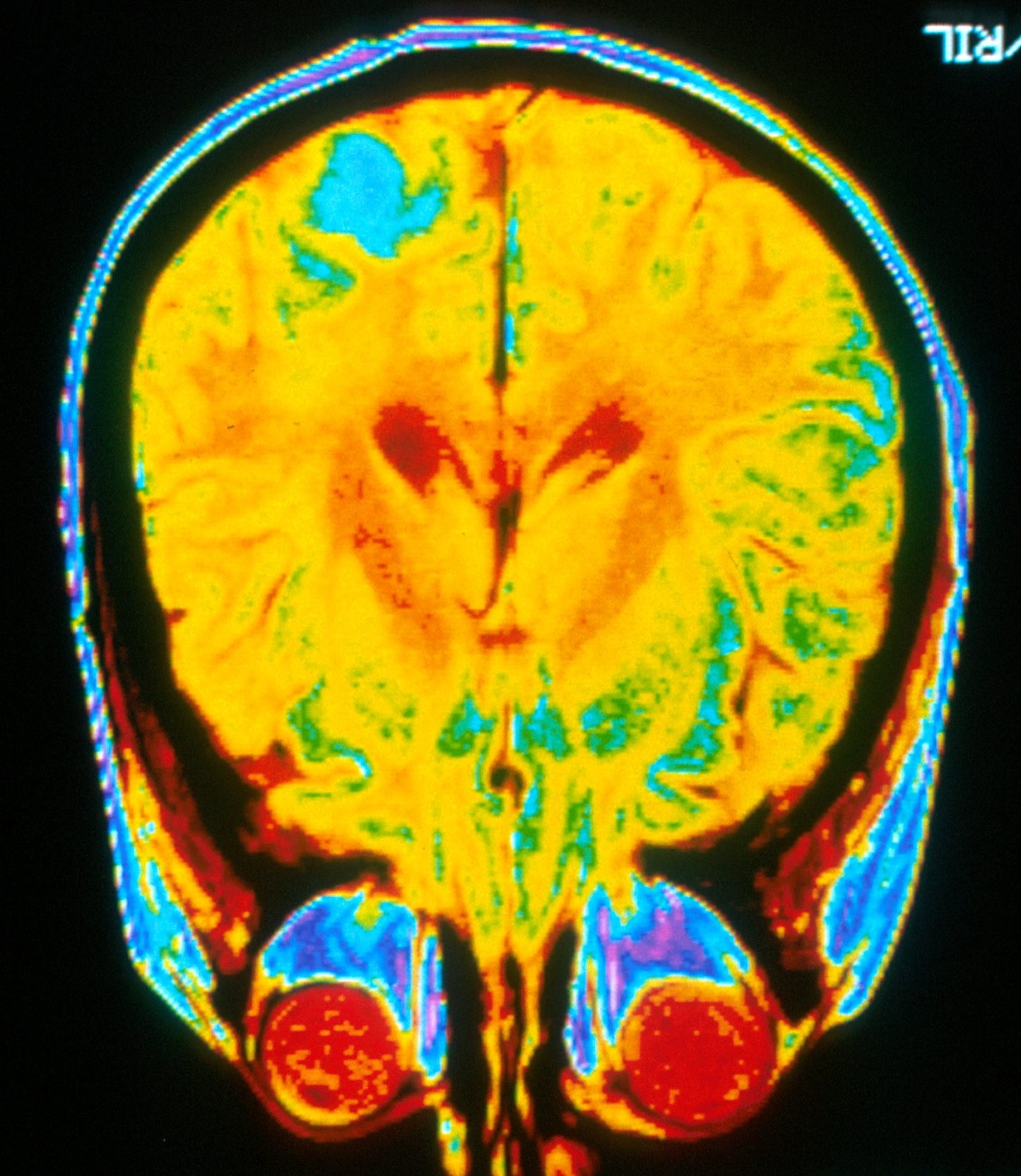
Mind on fire

At last – the final ailment or condition in my interpretation of Dr Perlmutter’s book ‘Brain Maker’brain on fire

I came to the study of the gut biome (and this book ‘Brain Maker’ as part of it) because I was looking for the things I can do to help prevent brain deterioration. A dysfunctional gut-biome is found in a very high proportion of people suffering from Alzheimers and other forms of dementia.

Let’s start with something simple. B12. A vitamin that is found to be deficient in the brains of people suffering from Alzheimers. Though we can try to make sure we eat foods with B12, though we could take supplements, the fact is that our gut bacteria, when operating properly, MAKES the B12 our bodies require. It is well documented that a low level of B12 is a huge risk factor for dementia

In Brain Maker Dr Perlmutter leads us through the effects of gluten again in the sections relating to Dementia; even those who are not shown to be sensitive to gluten (no bloating or diarrhoea) can be affected, as the constituents of the gluten have two effects on the intestine. One is to be ‘sticky’ and prevent the uptake of some nutrients, and, two, the gliadin in the gluten causes leaky gut, causes the body’s immune system to be on high alert (producing anti-gliadin antibodies) AND allows the passage of LPS (lipopolysaccirides) into the bloodstream which, as explained previously, can pass through the blood brain barrier, (leaving the door open for other large molecules to follow) and cause changes in the way the brain sends signals to the body and inflammation there too.

gluten groupThe Anti-bodies to gliadin not only cause the release of cytokines (which are inflammatory in the brain) but they also cross-react with certain brain proteins. From many studies it is shown that this then leads to complications such as neuropathy, ataxia, seizures and neuro-behavioural changes.

Is it any wonder then that Dr Perlmutter connects the rise in dementia (over and above that expected just through living longer) to a disrupted gut-biome?

A word on fats. Omega 3 fats are essential for good brain function.

The over-use of Omega 6 oils (sunflower / corn -oil) is also brought up in this section. The demonising of saturated fats* to such an extent that Omega 6 oils now take up too much of our dietary fats is a concern as in the western diet now the ratio of Omega 6 intake to Omega 3 (Olive oil : cold-pressed rape-seed oil) intake is around 10 : 1 (or higher). The ratio of Omega 6 to the mono-unsaturated Omega 3  (shown to be required for brain health) is critical. It ought to be 1:1 or at the very most 3:1 – any more and the Omega 6 oils prevent the take-up of the Omega 3s (to the detriment of the brain!)

*Saturated fats are demonised as being Cholesterol raising. More and more evidence is being produced to show that this is not the case. Simplistically – an observation was made and the ‘result’ was viewed as the ’cause’ (arteries blocked by cholesterol plaques = therefore cholesterol causes blocked arteries) – from then on cholesterol and saturated fats have been demonised and a vast theory and business (phamacutical and dietary) has been built up around it. Why ‘saturated fats’ – well, because, though they do not contain cholesterol, they are found in the same source – animal products. When it comes down to it, our liver makes the majority of cholesterol our bodies need, if we do not eat enough of it, and it is quite hard to eat as much as is required, – it makes it.

Note however, that our brains need cholesterol (yes – even the ‘bad’ one) – to function properly, as do most of the other cells in our bodies. In one of the largest studies ever, where a very large cohort was followed over fifteen to eighteen years, those with naturally lower cholesterol in their systems as they aged were shown to perform less well in all cognitive tests.

The real question following the observations should have been ‘why has the cholesterol formed a blockage here?’ The answer comes back to the gut-biome (and gluten) as it seems that the arterial blockage is the result of frequent damage / inflammation repairs – and the damage is caused by the intrusion of proteins that should never have made their way in the bloodstream, (LPS – gliadin etc) and couldn’t have done, or wouldn’t have done, if the gut-biome was healthy and gluten wasn’t so prevalent in the diet to crowbar a way through the tight junctions. And if you are thinking that I have strayed from my concerns for the brain into heart-attack waters – I have not. The cause of vascular dementia is the blocking of blood vessels in the brain – resulting in brain-cell death and strokes of various sizes and effects – so if the damage to the lining of the blood vessels can be prevented, the blockages due to repairs should not happen either.

The final part of this book deals with How to keep your good bacteria happy and thriving and in balance for optimal health – and I will work on a summary of this soon.

What do you think – have saturated fats been demonised unnecessarily?

Have you ever tried a low / no gluten diet to see how you feel on it?

You know I love to hear from you – do share

Best – Ann

ps – for those interested, my Dad’s book is now also available for Kindles (from Amazon) or other ebooks from PendownPublishing


When your body turns against itself …

When your body turns against itself … they call it an AUTO-IMMUNE disease.  autoimmune

And there are plenty of them … and they range from the uncomfortable – to the downright debilitating.

The one thing that they all have in common is inflammation. Why am I not surprised therefore, that Dr Perlmutter cites a  disrupted gut-biome as the main cause of auto-immune diseases.

We need a good immune system, it protects us from the things outside of us that will do us harm if they end up inside. However, an immune system must know what it is fighting. Without a functioning immune system then the simplest of infections can lead to trauma and even death. However, an over-active immune system can lead to other complications – allergies (some of which can also lead to death in an anaphylactic shock reaction) or to our immune system failing to recognise parts of our own body and starting to attack them. The classic auto-immune diseases (like Rhematiod Arthritis or Lupus) leave the sufferer in chronic pain – usually treated with drugs to suppress the immune system (leaving the patient open to other dangers and altering the gut-biome even further from the optimum) and strong medicines that often cause almost as much pain as the condition.  autoimmune2

So where does the gut-bacteria come into all this? The fact is of our whole immune system 80% is created by our gut bacteria and lies within our gut. This makes sense when you acknowledge that the gut is the boundary between outside our body and inside. (As I said  at the beginning of these articles – the mouth-to-anus gastrointestinal tract can be seen as being an extension of outside our body.) The gut immune system is also in touch with every cell in the remaining immune system, if it meets a problem within the gut then the message to be alert travels throughout the body. They are the body’s first responders. The right gut bacteria teach the immune system what is safe and what is not – so that the immune system become vigilant but not in full defence mode all the time. They educate the system to know that food stuffs are safe (not requiring an immune response).

It seems that pathogenic bacteria (very bad bacteria) can not just cause us upsets but they also interact with the immune system causing a release of inflammatory molecules and stress hormones. With the wrong balance of bacteria the protective layer to the inside of the ileum is not there – the tight-junctions are vulnerable to being crowbarred open by constituents found in substances such as Gluten (there are others – but gluten is by far the biggest culprit) and the pathogenic bacteria get in (along with the over-large proteins that also cause inflammation) This is called a leaky-gut.

On the other hand –  the right bacteria can actually do the opposite – turning off the stress hormones, soothing the inflammatory responses, protecting the lining of the ileum and therefore the tight junctions.

So, if this is the case then it would seem possible – that by changing the balance of the gut bacteria and preventing the leaky-gut problem –  an auto-immune disease could be reversed – or at very least made less chronic – less painful, less disruptive to the body.

I have already written about depression in an earlier blog – it is a fact that having and auto-immune disease and having depression has a very high correlation. Logically, I think if you are in chronic pain it would be depressing – however, the suggestion is not that the chronic pain causes the depression but that both the autoimmune condition and the depression my be caused by the same thing.

Because auto-immune conditions generally grow slowly in intensity (often in the run-up to being diagnosed) it is rare that anyone can pin-point when it started. If they could it would be interesting to know how often it was triggered by a life-event that required antibiotic treatment, or another treatment or experience that adversely affected the gut-biome.

I read with interest the reports from people who suffered from Rheumatoid Arthritis, in particular, who had taken up the ‘Paleo’ life-style diet only to find that it also reversed their condition sufficiently to come off medication and to feel stronger and healthier than before. This Paleo diet would, inadvertently, have produced the same balancing of the bacteria – through the recommended foods to eat (organic veg, grass fed meats, pastured poultry, fermented foods, whole-foods) and the avoidance of gluten and many of the other inflammatory ingredients in the Paleo-diet. The aim was a different eating style – the result was a change in the gut-biome, a reduction in gut attack (leaky gut) … and a healing process.

The take- away again this week is, if you suffer from an auto-immune condition – cut out the gluten (and maybe some of the other main known irritants) and top up with the right type of bacteria and eat the fibrous fresh foods that sustain them, whilst cutting back on the carbs and sugar that encourage the wrong type of bacteria to grow. It certainly couldn’t do any harm and yet may just help your system to turn the corner and start to help itself recover to some extent.

Any experience of this out there?

Do share – I’d love to hear from you

The gut and the Autism question

Autism is a delicate condition to talk about. autism As Dr Stephen Scherer, director of the Centre for Applied genomics at Toronto who has just completed the largest-ever autism genome study says ‘Each child with autism is like a snowflake – unique from all the others’. Contrary to what had been assumed – it turns out that even siblings who share the same genetic parents and a diagnosis of Autism don’t always have the same autism-linked genes. This has raised the suspicion that the mechanism that creates Autism is not only genetic even where it appears to run in families.

Dr Perlmutter points out that despite the many difference between people with autism, one thing is certain – they are all people whose brains function a little differently. It is suggested that during their early development something triggered changes in their physiology and neurology that led to this disorder.

One indicator of this is that individuals with Autism almost uniformly suffer from gastrointestinal disorders. (This is something that I have come across myself in children with Autism I have known. The expression of the behaviours associated with the autism increased as the child’s extreme constipation built up over four or five days and then, after the explosive expulsion of faecal matter, the behaviours lessened) 

Children with Autism are 3.5 times more likely to suffer from chronic constipation and diarrhoea than their peers without autism – and that a strong association between constipation and language impairment has been found.

When the contents of the guts of people suffering from Autism is examined it is found that they exhibit different patterns in their composition to that of people without Autism. The particular bacteria that are found in their guts in abundance are Clostridia, which are able to create a compound that adversely affect the immune system and brain, causing inflammation. This is Propionic Acid – PPA.

PPA has multiple deleterious effects. Firstly it makes the gut leaky – which, as we know, allows molecules that should never get through to the blood into the blood stream – including itself. When it gets into the blood stream it turns on inflammation and activates the immune system. It also affects  cell-to-cell signalling, and compromises the mitochondria, altering the brain’s ability to use energy. It also increases oxidative stress, which in turns harms proteins, cell-membranes and even DNA. If the brain is exposed to these chemicals, and the enhanced inflammation, at a formative stage it is quite possible for this to play a role in creating the autistic brain.

Clostridia bacteria also need to feed on carbohydrates – and may explain why children with Autism often crave carbohydrates, especially refined sugars, which feed these bacteria and thus create a vicious cycle.

autismAdd to this that scientist have also identified a multitude of rare gene changes, or mutations, associated with autism. If you read the earlier blog which mentioned epi-genetics then you may already be wondering if this effect is at work here. Though the work has not yet been completed, the indicators are that the epi-genetic effect could well be at work. That there may be many other people who have the possibility of being autistic within their DNA but they have not had the environmental exposure (internal or external ) to have switched on or off the genes that lead to the symptoms that are recognised as Autistic.

However, as complicated as this is it is still not the whole story  – it is far more complicated, as a condition such as Autism surely is, there is an interplay of timing of exposure, of the on-going effect of the PPA and of the chronic gastrointestinal problems it creates.

This is a huge and very complicated subject – and I have not been able to deal with it in depth – but hopefully I have picked out his main points.

If you are concerned with someone suffering from Autism then I can only recommend reading this chapter of his book (Ch 5) if you haven’t already considered the way a compromised gut-biome may be affecting the condition – it holds some hope for some cases in that, without drugs, it seems it is possible to try to even-out the bacterial balance and perhaps help alleviate, if not everything, at least some of the gastrointestinal problems. The quoted scientific experiments are very interesting in this respect – as is this case study of Jason he quotes in this chapter and on his webpage here.

Again, Dr Perlmutter’s advice for people with this condition is to avoid gluten and sugary and simple carbohydrates and to enhance the diet with live fermented foods to balance the bacteria in the gut – though more drastic measures are also suggested.

Does any of this ring bells with your experience of this condition?


ADHD and Depression – an unlikely couple?

ADHD and Depression –  What on earth could link these two conditions?

Well you know already what I am going to say based on the reading I have been doing.  Yes – the blend of gut-bacteria in your system.

So how does the blend of gut-bacteria affect something that seems so definitely rooted in the brain – your moods – your despair – your excitability – your concentration levels?  depression

Last week I mentioned that the gut bacteria can produce hormones. They also produce the chemicals that other parts of your body use to turn into hormones. Without the building blocks the hormone cannot be made. This is true of the hormones that control our moods. So a depressed gut biome – will produce a depressed brain (via the hormone controls)

Again Dr Perlmutter shows how the indicators for inflammation are inextricably linked to the symptoms of depression and of ADHD.

In the case of Depression he quotes a Belgian research team “There is now evidence that major depression (MMD) is accompanied by an activation of the inflammatory response system and that pro-inflammatory cytokines and lipopolysaccarides (LPS) may induce depressive symptoms”  {Antibodies to the presence of LPS has been cited before as a marker for inflammation} The same researchers also noted that depression was often accompanied by gastrointestinal symptoms. LPS not only has the ability to make the gut wall more permeable, but it can also cross the blood-brain barrier and allow pro-inflammatory chemicals to attack the brain.

High blood-sugar is again cited as one of the factors – and the way that this can alter the gut-bacteria make-up has been already shown (with high fructose corn syrup – used to sweeten so much mass produced food and drink – being the worst type to ingest) as well as gut-permeability allowing these inflammatory substances into the system.

I do not know personally about depression – but I know enough people who suffer with it to know that it can be very complicated – and I hesitate to suggest that the gut-biome is the whole story. However, a happy gut-biome may be part and, as an easy part to deal with, seems to require at least a second glance. After all, unlike taking many prescribed medications, eating pro-biotics, (live yoghurt, live sauerkraut, kefir, etc or a tablet blend of bacteria) and feeding them with good pre-biotic foods stuff (onion, turmeric, jerusalem artichokes and more) does not have health-damaging side effects.

Somehow I think of Depression and ADHD as being almost opposites. One where there is no hope, nothing to be done, a state in which inaction is most likely and the other where everything captures the attention for a brief time – hyper-actively flitting between stimuli, getting nothing done through lack of concentration on any one thing.

adhdDr Perlmutter starts by pointing out that 11% of all American children are diagnosed with ADHD and two thirds are on medication for it. This is a frighteningly high number. He also points out that American children  are not genetically different to other children – and that there must be something else going on.

In one study it was found that there was a predominance of three markers in the lives of ADHD patients as opposed to those who did not suffer from ADHD – they were far more likely to have been born by C-section, and or, not to have been breastfed (or not for very long) and they were very likely to have had ear-infections requiring heavy antibiotic intervention.

Some of this must be sounding familiar by now – all the things that pre-dispose someone to a disrupted gut biome. The history is there, and when the investigations are made the  inflammatory markers are there too.

Symptomatically, most of these ADHD children also have gastrointestinal problems. From one huge study it was shown that they were threefold more likely to be constipated – and 67% more likely to have faecal incontinence. Here is something that chimed in with children I have known with ADHD from my time in teaching in Primary schools – in that parents have said to me ‘he’s so active he forgets to go until it’s too late’ (referring to a child that, even long after being potty-trained will mess their pants a bit before they get to the toilet) or ‘he never stays still long enough to go and it builds up’ about children that get constipated.

What if this wasn’t due to being too active – but to do with a disrupted gut-biome – which also resulted in one or other of these outward signs? This is the angle that Dr Permutter treats his ADHD patients from, correcting the gut-biome with pro-biotics (the right bacteria) and a diet including the pre-biotics, that those bacteria need to thrive, and cutting back on the carbs and sugars that feed the other bacteria; that unbalance the gut-biome –  and with great success. Children calming down almost to be unrecognisable as the child who first came for treatment. Yet – millions is spent on medication without trying to look at the underlying causes before treatment.

This still doesn’t explain how come the same imbalance may make one person depressed and another hyperactive … well, this is where the base genetics come into it. It is suggested that the genetic pre-disposition to ADHD could be ‘switched on’ by the imbalance (via the epi-genetic effect), and ‘switched-off’ again when the correct balance is restored.

Moreover, there is the evidence about GABA. GABA is a very important neuro-transmiiter that is made in the gut, and requires specific chemical inputs gained from food – and is has been found to be largely deficient in the brains of people with ADHD (and incidentally also of those with Tourettes) To make GABA (which is an inhibitory neuro-transmiiter) the gut needs the right bacteria (lactobacillus and bifidobacterium have been identified so far) to change glutamine to GABA, with the chemical co-factors of zinc and vitamin B6 (both only gained from food) to make the change. With GABA in the brain the electrical charges on neurons are subdued – making them less likely to excite and trigger nearby neurones – and thereby it reduces ‘impulsivity’.

Finally, in this section – I’m sure you’ve heard of Ritalin – a medication to calm down ADHD children. Back in 2003 – before the rise of interest in the gut-biome – a very small experiment was done using twenty ADHD children. Half were given Ritalin – the other half were given probiotics (like lactobacillus) and a nutritional supplement including essential fatty acids. To the researchers’ astonishment – the results showed the same outcome for both groups – both sets of ADHD children became more focussed and calm. I know which I would prefer my children to be taking if they had need to.

Any of this ring any bells out there?

Would you have ever linked depression and ADHD?

Do share – you know I like to talk 🙂


Find me on Facebook & Twitter @AnnFoweraker


Gut reaction – inflammation

The book I am going to be interpreting is Brain Maker by Dr David Permutter. This is not a substitute for reading his book – but, I hope an insight that will lead to reading more around this subject.

For too long the western diet has been moving towards an industrialised food content. The average diet (and most studies are done in the USA) contains mostly foods grown under industrial farming methods – not just non-organic – but also reliant on the heavy use of pesticides and herbicides, including the large-scale 365 housing of livestock, requiring more use of antibiotics and ‘growth hormones *in USA’, and industrially grown crops to feed them.  A high percentage of the resulting crops and meat are then made into processed foods of various types. This can be of the ready-made product / meal – or the ready to use ingredient variety. In the processing the industrial makers of food products have also used ‘unusual’ methods (like hydrogenation) to change the chemical structure of food-stuffs to make them ‘work’ in industrial setting. They have also sought to make ‘created foods’ popular by exploiting our in-built love of sweet and of salty things.

The problem with this is that, over the last fifty or so years, food has changed so much that our gut bacteria have changed too. This does not seem a disaster at first – after all, how important can the variety of gut bacteria be? I am sure you have all heard of the ‘good gut bacteria’ that we are encouraged to consume (from tiny bottles laced with sugar) to keep a ‘happy tum’. It is true – we need the ‘good bacteria’ (but preferably not from an industrialised sweetened source) and I will attempt to explain why in simple terms.

A lot of this research Dr Perlmutter is basing his book on has dates between 2010 and 2015 – so much is quite new.

It has been found that it is not just a matter of having the good bacteria in your digestive system – it is about having the right balance of the right bacteria in there to support a healthy gut – even some of the ‘bad’ bacteria are needed in small quantities.

What the bacteria do: The number one thing that the correct bacteria do, when looking at health, is to ensure that our body has a strong defence against the things that should never get into our blood stream. After all, once in our blood stream then, whatever it is, it can travel anywhere in our body.

To understand this you need to know the structure of the thinnest interface between our gut and our blood-stream.  Our ileum (small intestine) is lined with villi – small finger-like projections – making the surface area for the transfer of nutrients into the blood-stream as large as possible, and it is only one cell thick!  The diagram below shows a villus in relation to the blood and lymphatic system.

villus

Now I have seen people argue with this – but they were confusing the ileum (small intestine) with the colon. The villi of the small intestine is the interface. Nutrients from our food get from the ileum into our blood-stream either by diffusing into the absorbtive cell and then out again into the blood stream, or they squeeze through between the cells of the villi.  Normally the junction between these cells is VERY TIGHT. It will only allow some very small molecules to slide between them, molecules our body is made to accept in this way, molecules we need to get into our blood stream and that do no harm while in there. Large molecules like proteins should never get through.

When your gut bacteria are ‘healthy’ (of the right mix and in balance) then this lining of the ileum is protected to a certain degree –  when it is not, then the gut is open to attack on this vital Tight Junction.

So what would attack the tight junctions? With the bacteria defences down our cells are more open to the ‘crowbar effect’. Gluten can do this, and is the most commonly eaten protein that has this effect – components of gluten act as a chemical crowbar forcing open the gap between these cells – allowing large molecules, that have no business being in our blood stream, to slip through – this condition is known as leaky gut.

What would get through and why does it matter? Pathogenic viruses and bacteria that are designed to harm us could now get into our blood-stream – this is an obvious danger – however, now some other large molecules, including proteins, are able to get through – and they can harm us too.

Pathonegenic viruses and bacteria aside – what is the problem here?

The problem is that when larger protein molecules get into the blood stream they begin to cause INFLAMMATION where ever they go as our body’s immune system reacts to their ‘foreign’ presence.

Inflammation is Dr Perlmutter’s BIG concern. In my last but one blog on this subject I said he was a neurologist that ‘jumped ship’. He, as all neurologists, had been taught that the blood/brain barrier prevented any harm coming to the brain by substances carried in the blood. Moreover – that the constituents of the gut had nothing to do with how the brain functioned (after all, the gut – essentially a tube from mouth to anus – was seen as almost ‘outside’ the body anyway)

He / we-the-world, now know different – and he is sure that many of our seemingly brain-centric disorders are, in fact, caused by inflammation of parts of the brain, and that our westernised gut population is causing this to be able to occur.  As he points out, our gut biome is the equivalent to a second brain – containing as many different type of nerve cells as the brain, creating hormones and chemicals that affect not only how our bodies function but also our brain; through our moods, functionality and concentration.

His first take-away message has to be – repopulate your gut with the right bacteria and keep them happy and flourishing by eating the right food for them.

The second take-away message is – avoid gluten. He is not doing this on a ‘fad’ idea – but on the science that shows it is one of the main ways that this ‘tight junction’ is opened up – which  then allows some of the other things that our western diet has brought on to cause more damage.

Does this make sense to you?

Do you have a gut feeling that this is correct?

Do share – you know I love to talk about it…


Find me on Facebook and Twitter @Ann Foweraker

Of Molehills and Microbes

I’m taking a detour away from telling you about the parts of Dr Perlmutter’s book that I want to share with you, to explain a little more why this book and the premise of this book chimed so much with me.

As I said – I am not so much a scientist – as a bit of a science junkie. I love to read scientific articles and learning is my drug of choice. LearningIMG_0384, however, doesn’t only come from books – it can come from observation.

The basic premise of this book is to say that our gut biome – those billions of bacteria that inhabit our gut (to say nothing of those that are so intimately a part of us, of our very cells, that if they malfunction we are unable to generate energy – the mitochondria) are essential to our well-being. That they have to be the right bacteria in the right proportion to each other to produce the health, both mental and physical, that we should have.

All animals require the correct gut bacteria. When we kept goats, shortly after the new kids were born we would find a nice fresh molehill, preferably in a ‘clean’ paddock where the animals didn’t usually graze, and take a nice trowel-ful. This would be placed in a plant-pot saucer and put in the corner of the goat-house or pen. Why? Because this ensured that the kid got the right bacteria – because they knew what to do with this molehill earth – they ate it.

The recently published longitudinal study known as The Life Project, which began studying a cohort of people in the UK in 1946 – with new cohorts added every ten years (until recently) – has flagged up the difference in the microbiome (biota) of people born by c-section* as opposed to those born vaginally. Where the former have a much restricted complement of bacteria in their microbiome – compared to the latter.  (*our rates of c-section run at 26%)

This method of birth, and the expanding use of antibiotics around birth which cause similar skewed bacteria in the gut, have been shown to produce a higher susceptibility to asthma, allergies and other related conditions in their later lives.

The only one of my four boys to have any allergy like symptoms is the one who was on antibiotics for five years to prevent kidney damage. He, literally, grew out of needing them but can be affected by asthma-like reactions to mould and dust and has sporadic eczema. At this late date he is trying to balance his gut bacteria since I read this book. . . we’ll see (he’s being my guineapig)

That antibiotics are good – that they have brought health where there was death – is undisputed. However, how many of you find that there is the time after you have been treated (and cured) by a course of antibiotics where your body seems sluggish – the normal daily routine is often out of step – and only returns after a while. In my experience plenty of live yoghurt always helped to reinstate normal patterns quicker than if not ingested.

Add to these the fact that being brought up on a farm or in the countryside with animals gives a significantly lower risk of developing chronic inflammatory diseases (such as asthma, type 1 diabetes (T1D), multiple sclerosis (MS), and also inflammatory bowel disease (IBD) and we have the basis of believing that the contents of our gut really do affect our lives, both mental and physical.

So, just a few reasons that this theory chimes with that which I already had as a basis of my own understanding – and the fact that so many of these physical conditions are demonstrated by inflammation is leading towards a possibility that this could also be what happens inside the brain.

“You must eat a peck* of dirt before you die”  runs the old adage – maybe we ought to emulate the goats and get our ‘old friend’ bacteria from the start – anyone for nice fresh molehill?

Have you any observations that back -up (or refute) the premise that our gut bacteria can affect our whole health?

* In case you were wondering – as was I –  a peck is a dry measure of two gallons)


Find me on Facebook and Twitter @AnnFoweraker

I’ve got the bug …

I always have had … the ‘need to know’ bug.

But this time – following my ‘need to know’ I came up with more than I expected. brain

Lets start with dementia. As you may know from other blogs, my lovely, extremely intelligent mother is suffering from Dementia.

Now this is like saying a forest is made of trees; there are different types of dementia – and the most well known (to the general public – as the ‘face’ of dementia) is Alzheimers. Too often the term Dementia is substituted for the term Alzheimers … causing confusion. For example the headline ‘Breakthrough in treatment of Dementia’ turned out to be a drug which, if caught very early, slows down Alzheimers. It wouldn’t do anything for vascular dementia which is caused by a narrowing and blocking of the small blood vessels in the brain – causing the brain cells they served to die from lack of oxygen – like lots of mini-strokes.

Well, this isn’t a blog about dementia – but it is an explanation of why and how I got interested in reading about how we can support our brain – to help keep it as healthy as possible because, and I do not need to tell anyone who has had a family member suffer from any form of dementia, losing your brain function looks like a living hell – and if I can do anything to stop myself from following that path I want to know about it.

Now, when I support anything like this I need to temper it with ‘that which makes sense to me’ – that is, the me that has always been a bit of scientist, the me that likes to question, the me that has, at base, my own sense of ‘common-sense’ – call it a GUT FEELING about things – if you like.

bacteriaSo when I read an article which cited a book by a neurologist who had ‘jumped  ship’ and was saying that what happens in your gut was very important for your brain health – I was interested. I read a bit more – learnt a bit more  – then bought his book ‘Brain Maker – the power of gut microbes to heal and protect your brain – for life’

I read the book slowly, checking out the references to the scientific papers cited throughout. It made sense. It chimed with many of my own observations over the years. It linked into other ‘new’ science I have been reading about lately – epigenetics. Moreover, though Dr Perlmutter is an American, much of what he recommended as treatment, I had heard of already in the UK* which, oddly enough, was where he’d had to send some of his patients for a treatment (more of this in a later blog) AND he wasn’t trying to sell me anything (apart from the book lol) – in fact his book finished up with old-fashioned recipes for foods to make at home that would help your gut to help your brain! (*some even on TV’s Trust me I’m a Doctor)

So why am I blogging about this? I could merely say – go out and buy this book – I think it is good. Yes, I could – yes, you could. However it is packaged in a strange blend of ‘common-touch’ language and ‘detailed scientific’ language. He wants to tell us everything in each section, so if I was concerned about one aspect or another it was easy to get bogged down in the other aspects touched upon.

I’ve been going through the book and doing something I NEVER do – marking a BOOK! (horror) with different coloured highlighters for the different disorders that he deals with that are affected by the operation of the gut biome. So I’m going to try to blog half-a-dozen or so times about this – each focussing on a different aspect. Then, if you are interested – go and get his book to fully understand and get his recipes – if you want. However, remember – I am not a scientist (as such) or a doctor – in this case, I hope, just to be a faithful interpreter.

These are the sections I intend to separate my blogs out into, though not necessarily in that order.

What the ‘good’ gut bacteria do for us and Inflammation
Alzheimers
Auto-Immune conditions
Diabetes / Obesity
Depression / Anxiety disorders / ADHD
Autism

 Do any of these interest you more than others?

Any experiences you would like to share – I’d love to hear

Ann

Find me on Facebook & Twitter @AnnFoweraker

error

Enjoyed this blog? Please share :)