As September draws to a close – Nature notes

I’m not sure where September went – it seems to have gone so quickly. I know I spent a week away (that turned into 10 days because of the Brittany Ferries strike) but the end of this month still seems to have arrived at a gallop. I’ve created lines of photos this month – by way of a change.

Earlier in the month we had a few days of warm sun, some of the border flowers had a burst of colour and the butterflies (peacock and tortoiseshell) and bumble bees were out in force.  There was even a dragonfly laying late eggs into the moss hanging over the edge into the pond.

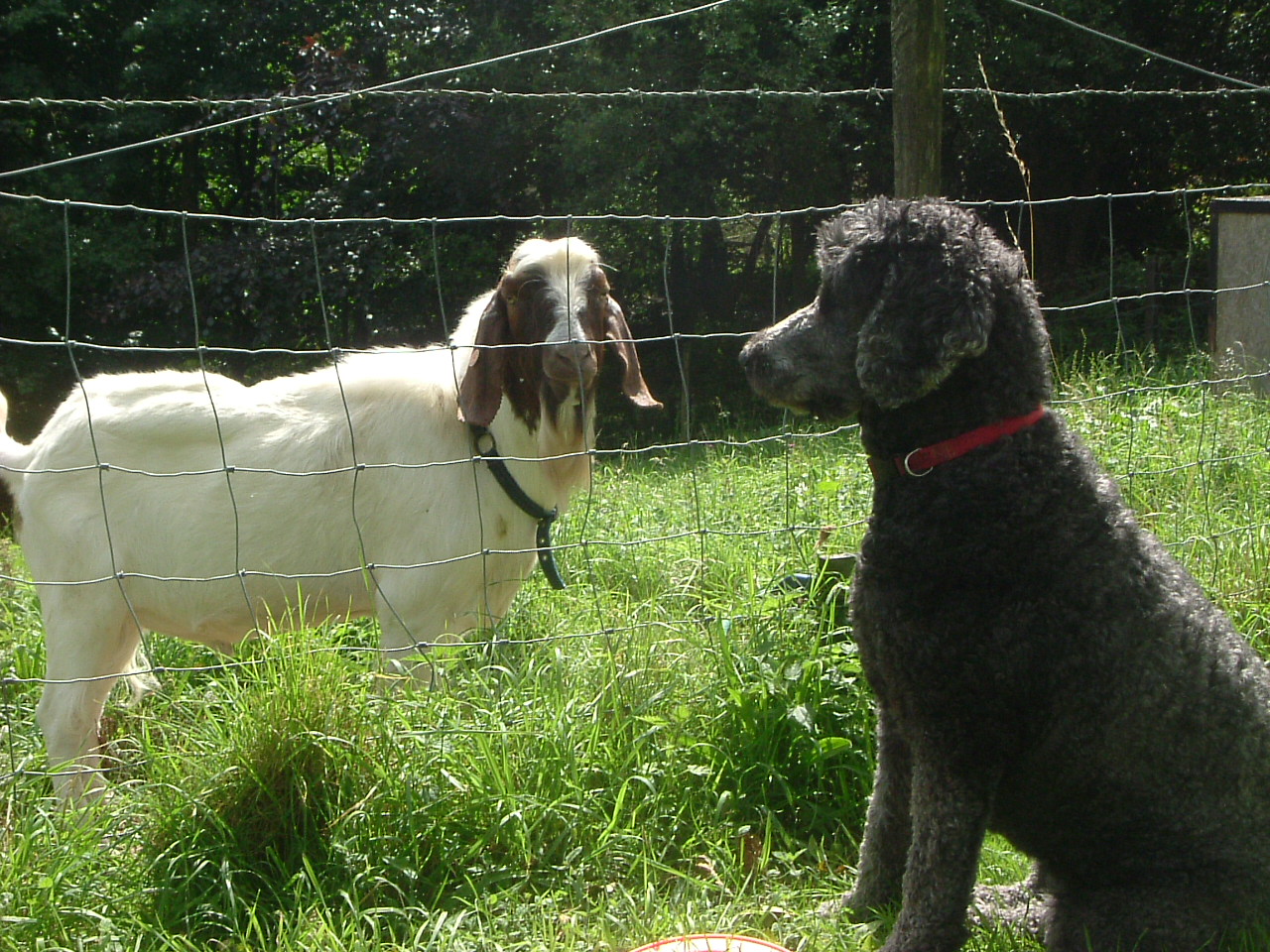
The billy goat has come into season and is making himself fragrant for the ladies ( nanny goats) Do you want to know how he does this? If you have a low ‘YUK’ threshold look away now…. ok? Apart from the scent glands on his head he also contorts himself to aim a stream of urine right at his beard. This will soon acquire a strong odour (which, apparently, the nanny goats consider a great attraction in a male) Considering the good scenting abilities of a dog I’m amazed that the dog is happy to sit so companionably close to the big feller at this time of year!

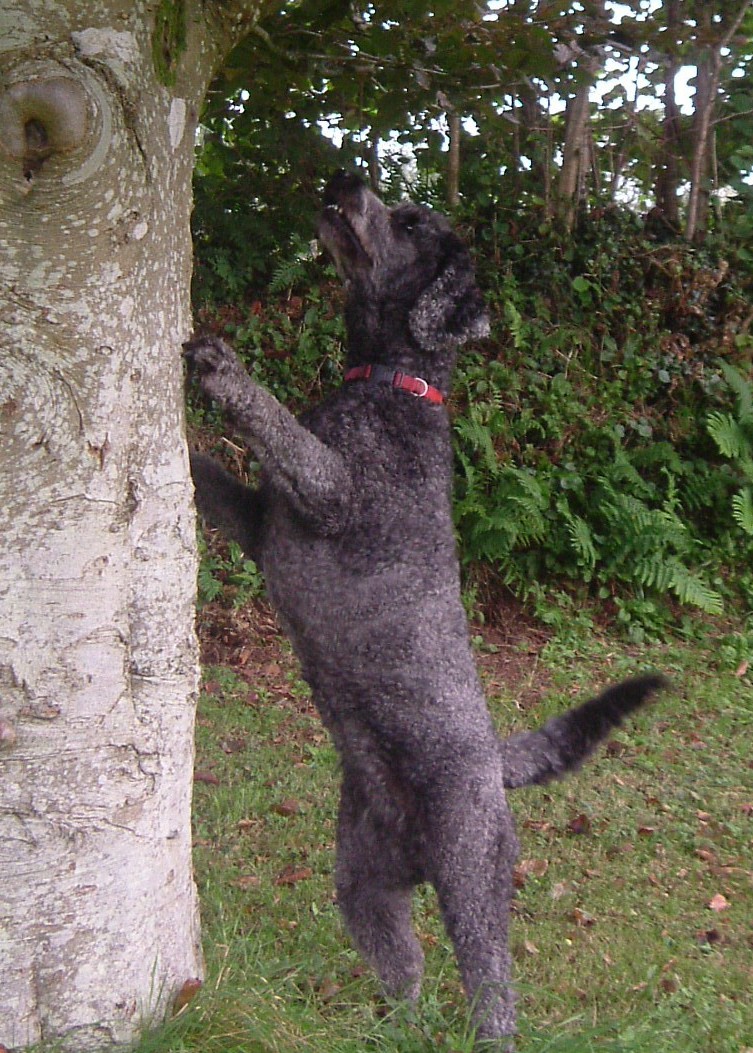
And talking about scenting – the squirrels have taken just about every cob nut from the tree – most before they were even ripe. Their trail leads across the lawn and up the beech tree – and where the scent trail follows the dog tries to go too. It’s just not fair that dogs don’t climb trees, is it?

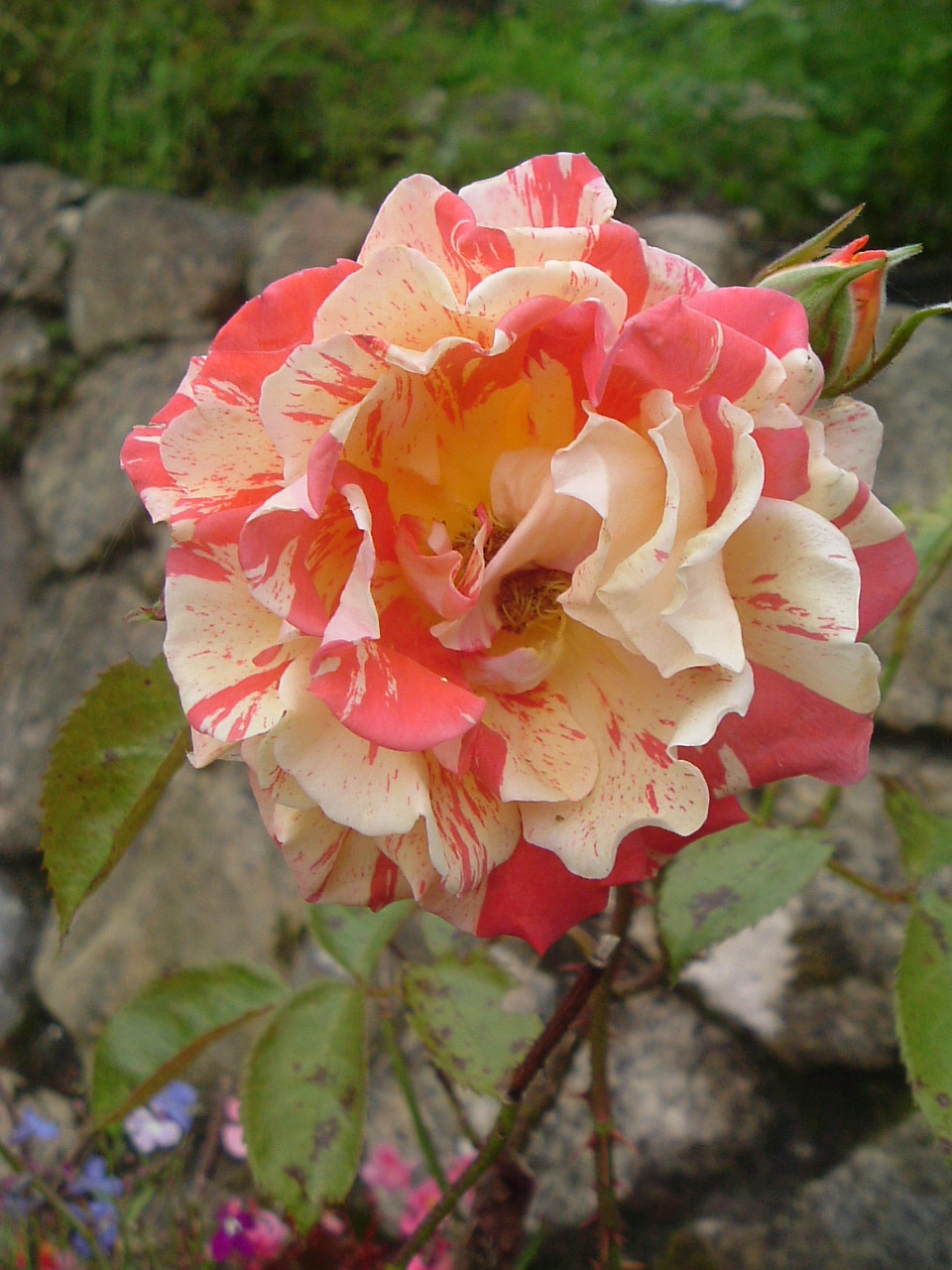
Having got over the ‘scent’ of the billy goat I thought I’d add a little fragrance with this scented  late flowering ‘oranges and lemons’ rose – so pretty.
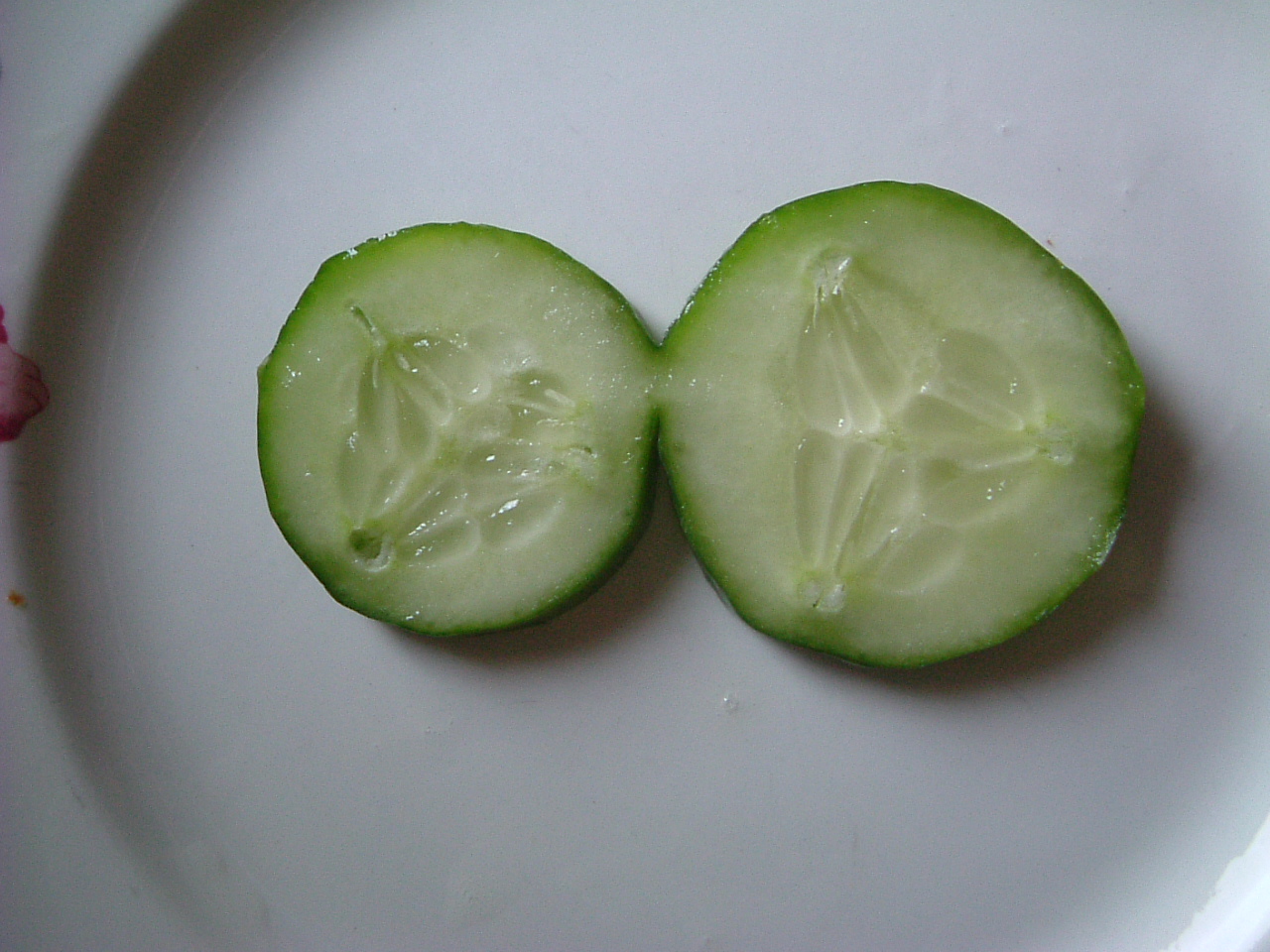
And a cucumber twin found growing in the greenhouse – making interesting figure 8 slices when cut.

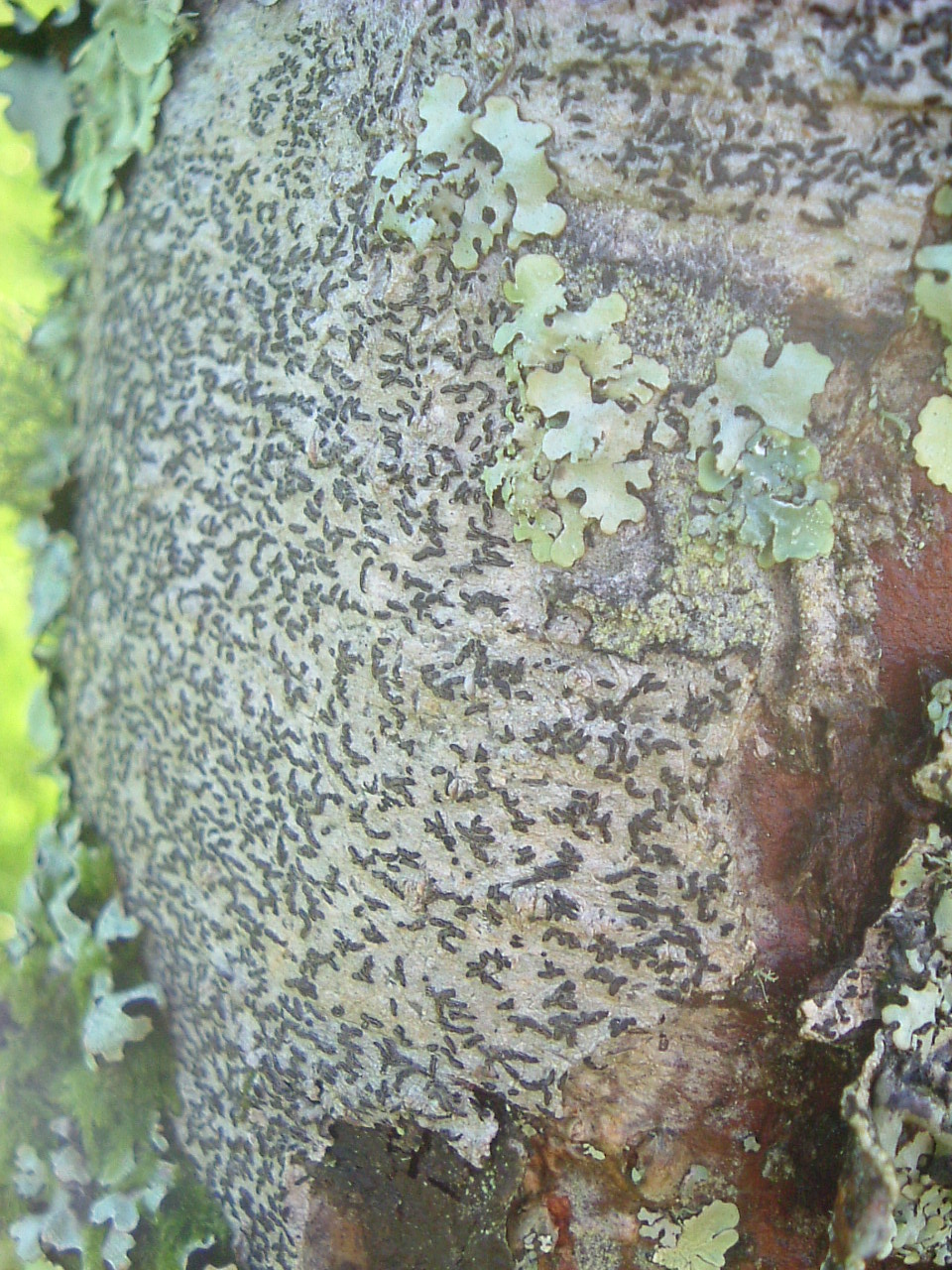
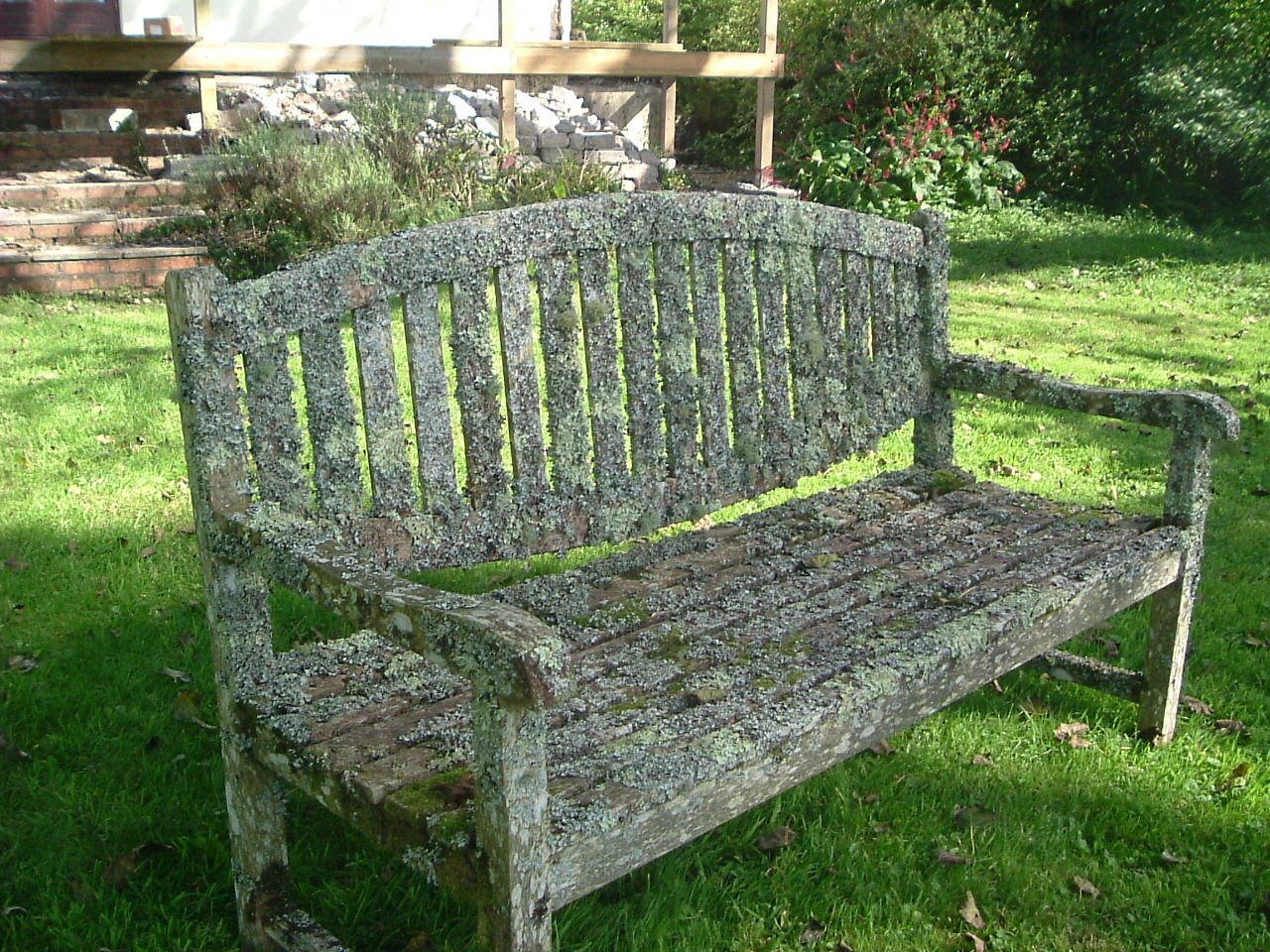
Finally, a series of photos taken of a garden seat belonging to friends of ours, a wonderful example of a good lichen habitat – the whole seat has been covered by a range of different types of lichens – quite wonderful! Front view, side view and close up of a couple of slats. These really deserve to be clicked and viewed as enlargements!
The FWT results (for the information of my cheerleaders)  this week are a half pound down! So we are back on track – YAY!   (after the hiccup caused by the ferry-strike-imposed inaction and junk food)

At the moment I am also thinking about Food for the poetry workshop I am leading on the 16th of October at the Landulph Festival of Music and Art where I shall be encouraging poets to use foody metaphors and experiment with new ways of describing their experiences. Then, later the same day, I’ll be reading with the Liskeard Poets  – if any of you are close enough to come along I’d love to meet you there!

How was your September – did you see anything interesting in the world of nature? I love to her from you – please do share 🙂
What’s not to Lichen?

Yeah. I know – it depends on how you say it – more of which below.
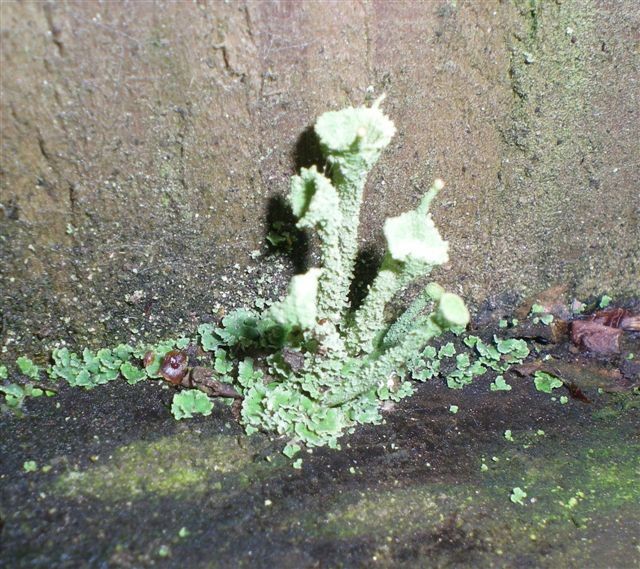
So it was Christine that started me off on this particular blog by sending me a rather nice photo of a lichen, with fruiting bodies, growing on her fence. Here it is:-
Now, somehow, I know not how, she had guessed I’d know something about these plants, though she didn’t know that I really like them and have done since learning about them at A level. Talking of which, it was my A level Botany lecturer that insisted the pronunciation of the word lichen should be ‘liken’ (I have vague memories of her saying that the ‘ch’ was the hard ‘k’ sound because the origin of the work was Greek – as in the word Character) and indeed she was right, though I note the OED also accepts the soft ch sound that many people use. Not that it should be a problem – except when it comes to poetry and there the difference can change a rhyme sequence if the reader is not of the same persuasion in pronunciation as the writer *speaking from experience*.

So back to the lichens, as the leaves fall the lichens become more noticeable, and here in Cornwall we are blessed with many of these wonderful plants. Where I came from we were lucky to see even a close-growing leafy (foliose) lichen, most were the tight colour-patches (crustose) type.
One in particular appears as yellow patches often on stones and walls, (xanthoria) is one of the most tolerant of polluted air and was the main one to be found in the South East of England where I grew up. Lichens derive most of their nutrients from the atmosphere, as they do not have roots, and so most need unpolluted air to thrive.

Photos: Stone Wall showing two different types of Crustose lichen – the grey/white and the yellow.
And one Leprose (powdery) type of lichen (the green coloured one)

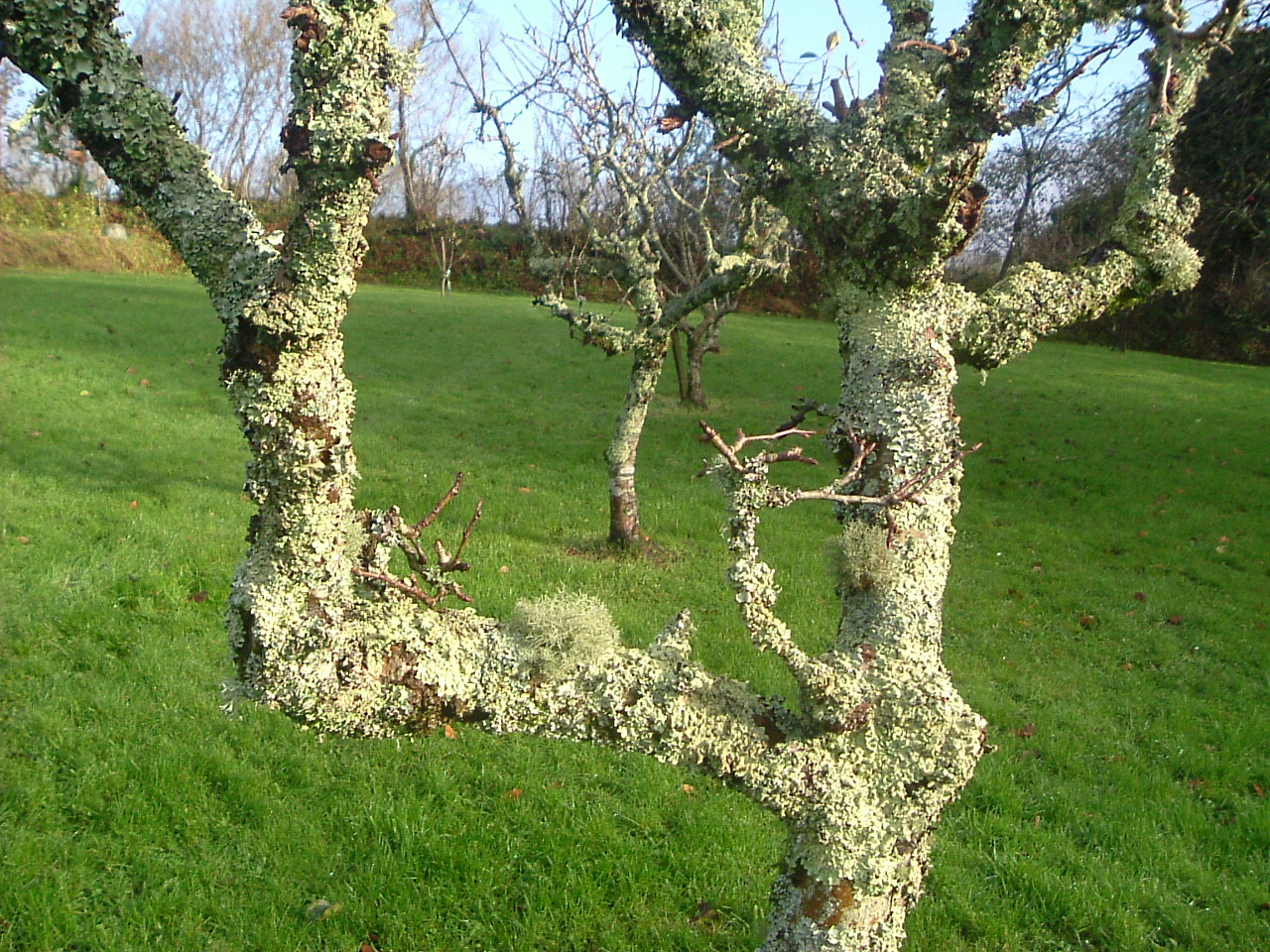
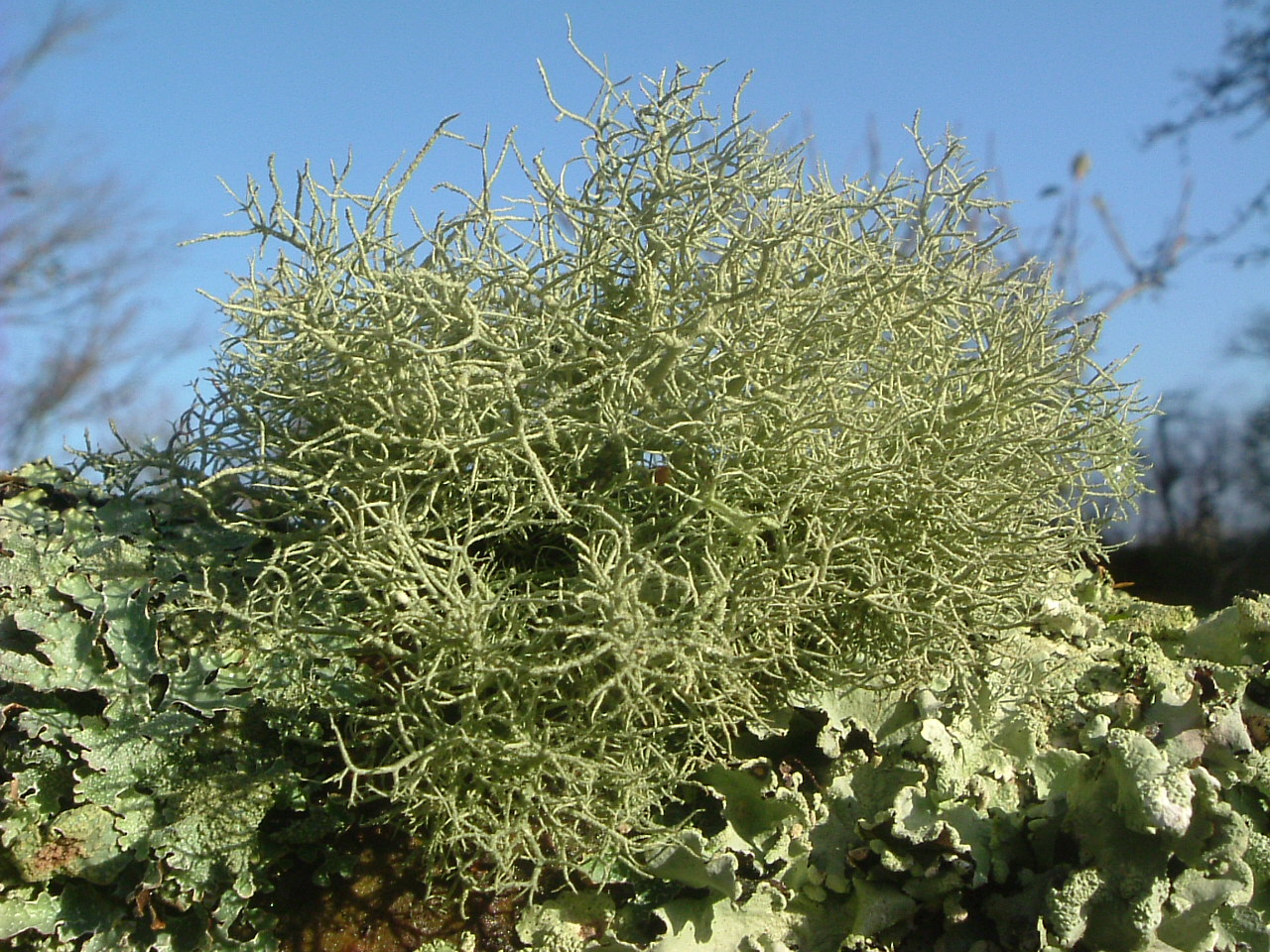
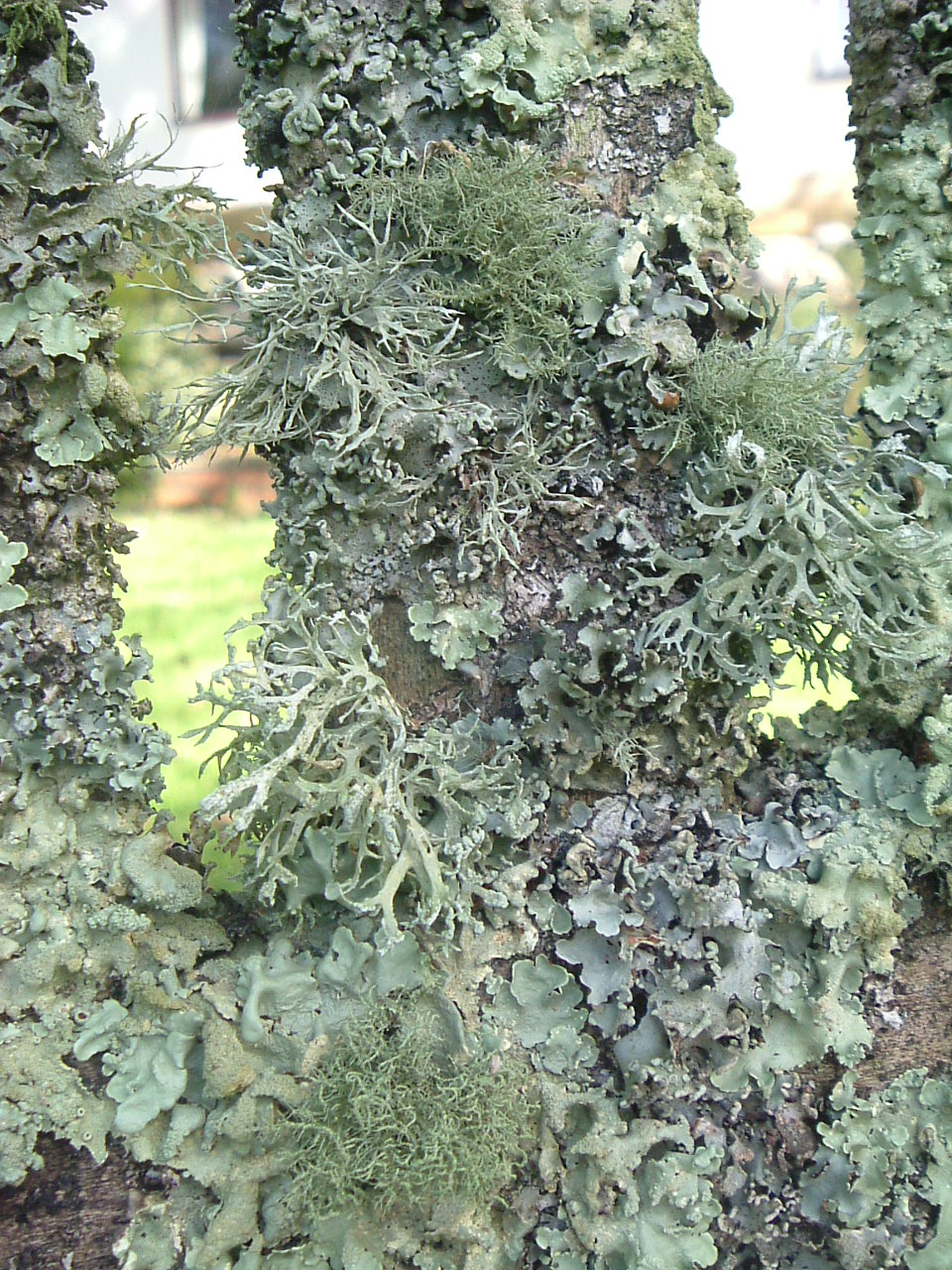
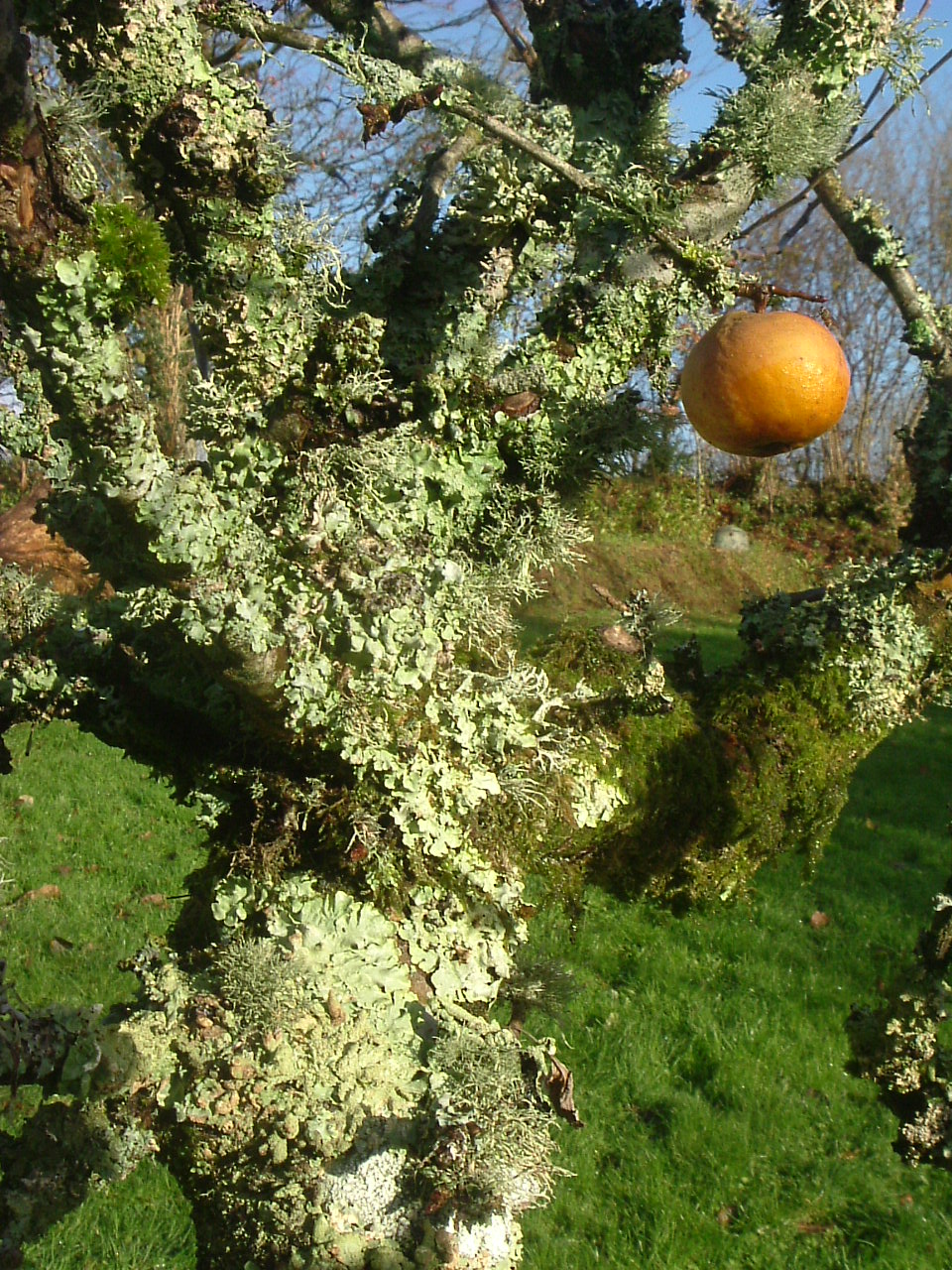
So imagine my delight when I came to live in Cornwall where these plants flourish, with not only the crustose and the foliose type but also the branching, bush-like fruticose group of lichens. Lichens are generally slow growing, but these trees were only planted 25 years ago and even the newer wood has the beginnings of lichen invasion.

Photos, Trees showing fruticose and foliose types of lichen. Do click on these images to see them better!

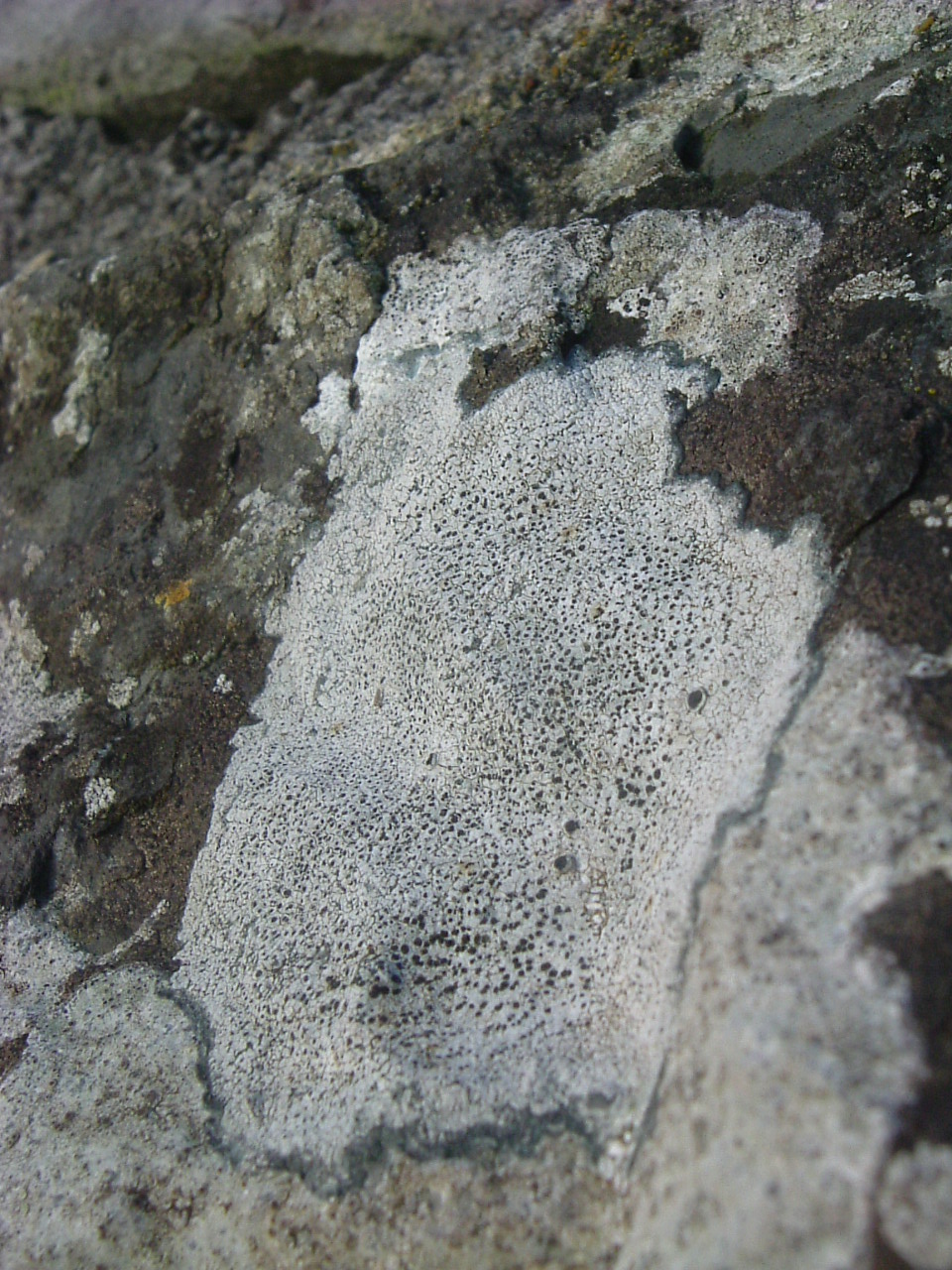
Tree – showing crustose (grey and flecked black) lichen.

I keep just saying ‘these plants’ but of course Lichens are not just any plant, they are actually two plants in a symbiotic relationship, an algae and a fungi , living together to make the most of the resources available and of each others skills in accessing them. The pairing of algae and fungi vary and create the differing types and forms with their strengths and weaknesses.

It is part of what makes Lichens successful in that they are found from the edge of the sea to the highest mountain top and from humid jungles to frozen tundra.
The little branching ones (the fruticose) used to be collected and dried for making model-railway trees and shrubs at one time. Some lichens have been used historically for dying and has even been used a food stuff in very hard times.
Lesson over, but I hope I have piqued your interest in these plants if you’d never considered them before – there is an awful lot more to know if you want to seek it out.

error

Enjoyed this blog? Please share :)